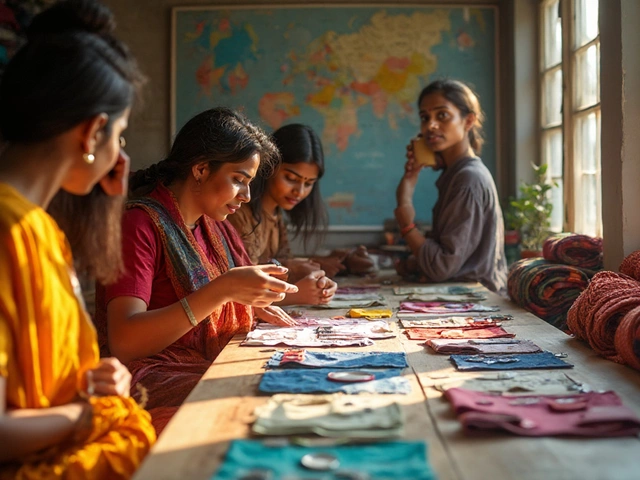
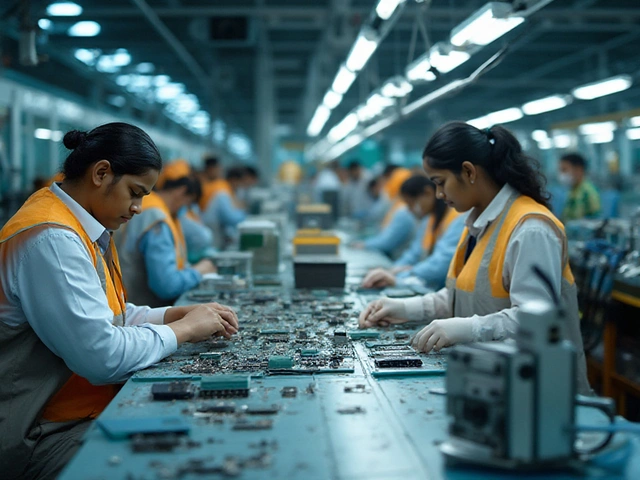
Coimbatore Textile: India's Hidden Powerhouse of Fabric and Craft
When you think of Coimbatore textile, a major center of textile manufacturing in southern India, especially known for cotton weaving and power loom production. Also known as the Manchester of South India, it's not just a city—it's a supply chain that feeds homes, hotels, and exports across the globe. This isn’t about fancy silks or hand-embroidered sarees from the north. This is about sturdy, reliable, everyday fabric made in massive volumes, with precision, and at prices that keep Indian homes covered and global buyers coming back.
Coimbatore textile doesn’t just make cloth—it makes cotton yarn, the raw material for over 70% of India’s home textiles. Factories here spin, weave, and finish millions of meters of fabric every month. You’ll find it in bed sheets, towels, curtains, and even the tissue paper your family uses—because many of the non-woven fabrics used in hygiene products start as cotton fiber processed in these same mills. The city’s power looms run 24/7, powered by affordable local electricity and decades of skilled labor. It’s not glamorous, but it’s essential.
What makes Coimbatore different? It’s the ecosystem. You’ve got spinning units next to dyeing plants, which sit right next to exporters and packaging houses. No need to ship fabric across the country—everything happens within 20 miles. That’s why Tamil Nadu textiles, led by Coimbatore’s output, account for nearly 40% of India’s textile exports. And unlike places that rely on imported fibers, Coimbatore uses mostly Indian-grown cotton, making it one of the most self-sufficient textile hubs in the country. It’s also quietly leading in eco-friendly dyeing and water recycling—something you’ll see reflected in modern tissue and home goods brands that care about sustainability.
Behind every soft towel or crisp bedsheet you own, there’s a good chance it passed through a Coimbatore loom. The city doesn’t shout about it. No viral TikToks, no celebrity endorsements. Just steady, smart manufacturing that keeps costs low and quality high. If you’re curious about how Indian-made home goods stay affordable without sacrificing quality, or how local industries are adapting to global sustainability trends, you’ll find real answers in the posts below. From how curtain fabric is woven to why some textiles outlast others, this collection dives into the details most people never see—but everyone uses every day.
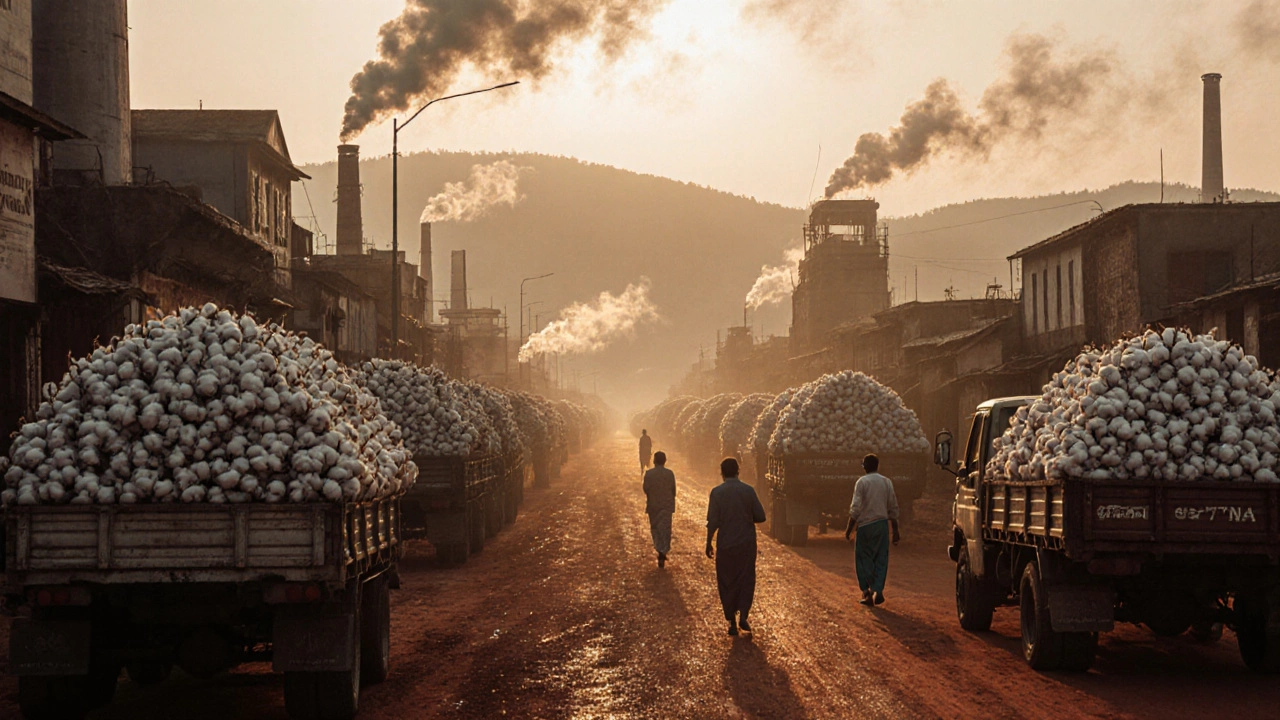
Which City Is Called the City of Textile? The Real Story Behind India's Textile Capital
Coimbatore, India, is known as the City of Textile for producing over 40% of the nation's cotton yarn and manufacturing nearly 80% of its textile machinery. It's the only place where the entire textile supply chain-from cotton to looms-comes together.
View More