Indian Traditional Fabrics: Heritage Textiles, Weaving Styles, and Where to Find Them
When you think of Indian traditional fabrics, handcrafted textiles rooted in centuries-old regional techniques and cultural identity. Also known as Indian handloom textiles, they are more than just cloth—they’re stories woven into every thread. These fabrics aren’t mass-produced. They’re made by skilled artisans using looms passed down through generations, often in villages where weaving is as much a part of life as farming or festivals.
Each region in India has its own signature fabric. In Maharashtra, you’ll find Paithani silk, a rich, handwoven silk with intricate zari borders, traditionally worn by brides and royalty. In Gujarat and Rajasthan, Khadi, a coarse, hand-spun cotton fabric made famous by Gandhi during India’s independence movement. In Mumbai’s textile markets, you’ll see Georgette, a lightweight, slightly crinkled fabric often used in sarees and dupattas for its drape and sheen. These aren’t just materials—they’re cultural markers, tied to local climate, rituals, and economic history.
What makes these fabrics stand out isn’t just their look, but how they’re made. Unlike synthetic fabrics that rely on machines and chemicals, traditional Indian textiles use natural dyes, hand-spinning, and slow weaving. This means each piece has small imperfections—tiny variations in color or weave—that prove it’s handmade. These aren’t flaws. They’re proof of authenticity.
And while global fashion brands chase fast trends, Indian traditional fabrics are holding strong because they’re built to last. A well-made Khadi shirt can last decades. A Paithani silk saree can be passed down as an heirloom. Even today, people choose these fabrics for weddings, religious events, and daily wear—not because they’re trendy, but because they feel right.
You’ll find these fabrics in markets like Mumbai’s Bhuleshwar, Varanasi’s silk lanes, and rural cooperatives across Odisha and Karnataka. Some are expensive. Others are affordable. But all carry something no factory can copy: the touch of human hands and the weight of history.
Below, you’ll find real posts that dig into the fabrics, their origins, where to buy them, and how they fit into modern life. Whether you’re looking for the best silk for a wedding outfit or wondering why Khadi still matters in 2025, the answers are here—no fluff, just facts from people who know.
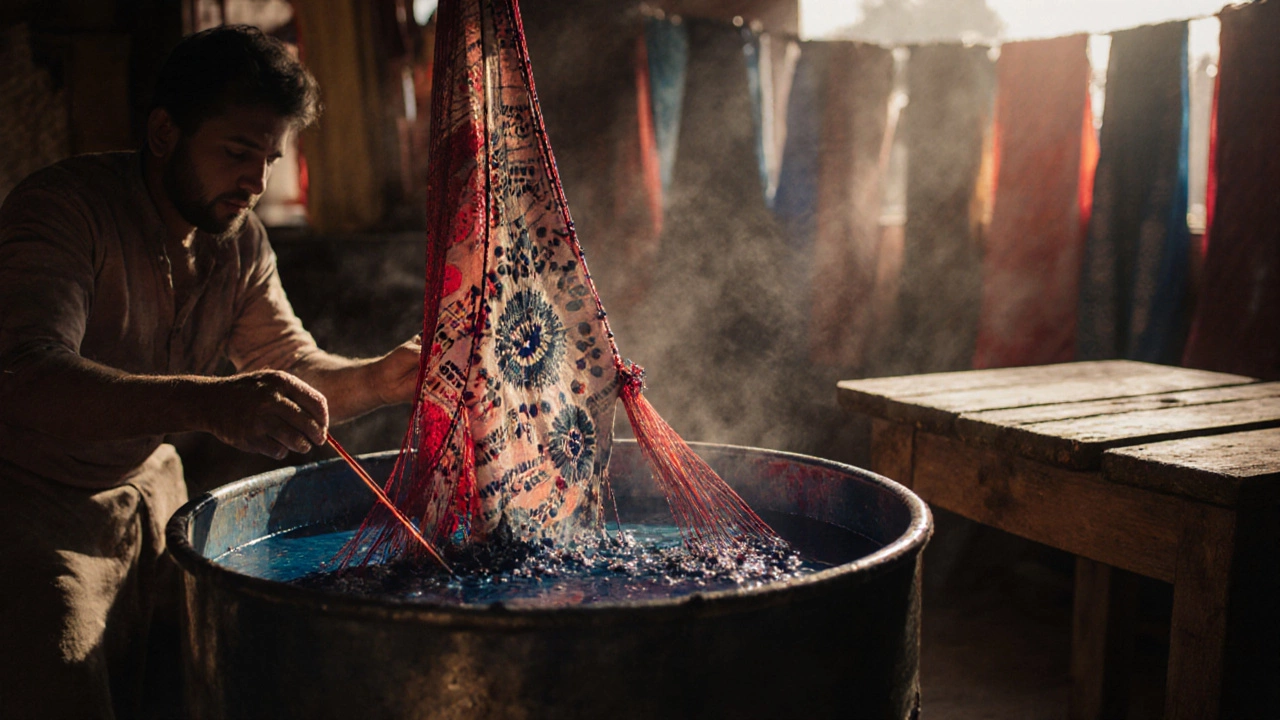
What Is Gujarat Famous Cloth? Top Traditional Textiles from India's Weaving Heartland
Gujarat is famous for its handwoven textiles like Bandhani, Patola silk, and Kutch embroidery. These fabrics are made using centuries-old techniques, with each piece reflecting deep cultural roots and artisan skill.
View More
Mar 7 2025


Jan 31 2025