Pharmaceutical Manufacturing India: Key Players, Hubs, and How It Works
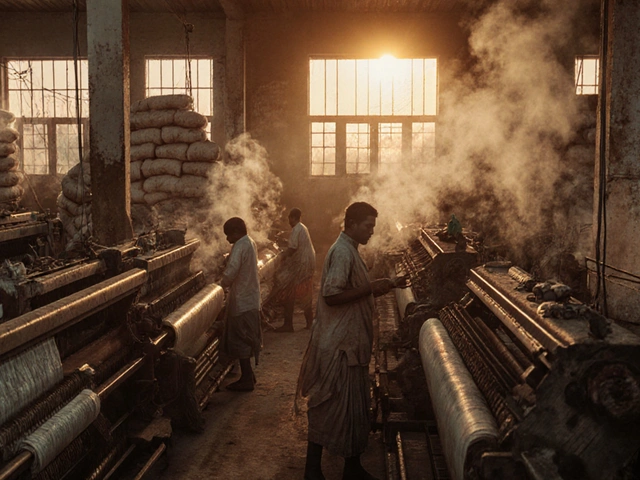
When you take a pill for a cold, an infection, or a chronic condition, there’s a good chance it was made in pharmaceutical manufacturing India, India’s massive, globally trusted system for producing affordable, high-quality medicines. Also known as drug manufacturing India, this industry doesn’t just supply the country—it sends over 20% of the world’s generic drugs to places like the U.S., the U.K., and Africa. This isn’t luck. It’s the result of decades of focused investment in skilled labor, strict quality controls, and smart scaling.
Most of this work happens in Gujarat, India’s chemical and pharmaceutical heartland, home to over 60% of the nation’s drug production. Cities like Vadodara, Jamnagar, and Ankleshwar aren’t just industrial zones—they’re precision factories where active pharmaceutical ingredients (APIs) are made, tested, and packaged for global markets. These places rely on the same chemical manufacturing India, the backbone of everything from fertilizers to painkillers. Also known as bulk chemical production, it’s the silent engine behind every tablet you swallow. The link between chemicals and drugs is direct: sulfuric acid, ammonia, and chlorine—often called the king of chemicals—are used to build the molecular structures of medicines. You can’t make a generic antibiotic without first making the right chemical building blocks.
What makes India stand out isn’t just volume—it’s speed, cost, and adaptability. While big U.S. or European firms focus on new, expensive drugs, Indian manufacturers excel at reverse-engineering older ones and making them affordable. Companies like Dr. Reddy’s, Sun Pharma, and Cipla don’t just follow global standards—they often set them. And unlike countries with high labor costs, India’s skilled technicians and engineers can produce millions of doses without breaking the bank.
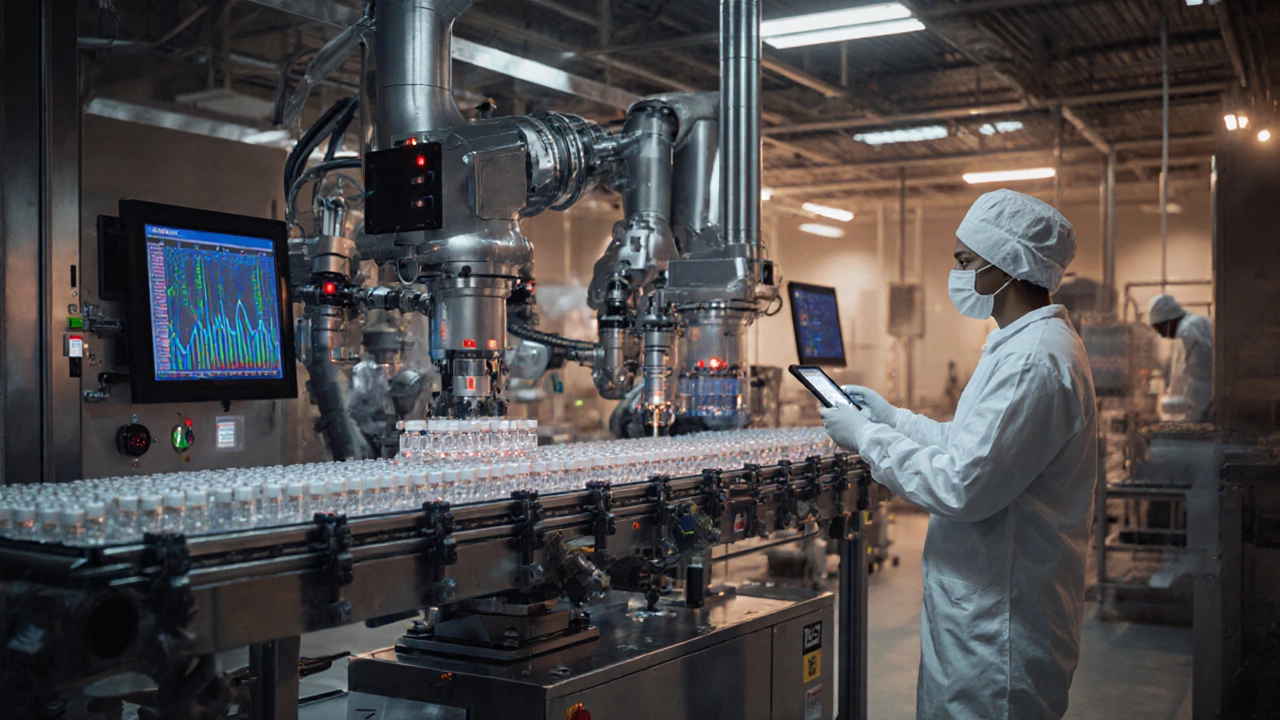
There’s also a quiet revolution happening in packaging, automation, and sustainability. Many factories now use AI to monitor quality, reduce waste, and cut energy use. The same innovation that helps make tissue paper softer and more eco-friendly in India is now being applied to pill blister packs and sterile vials. It’s all part of a bigger shift: Indian pharma isn’t just a low-cost supplier anymore. It’s becoming a global innovation partner.
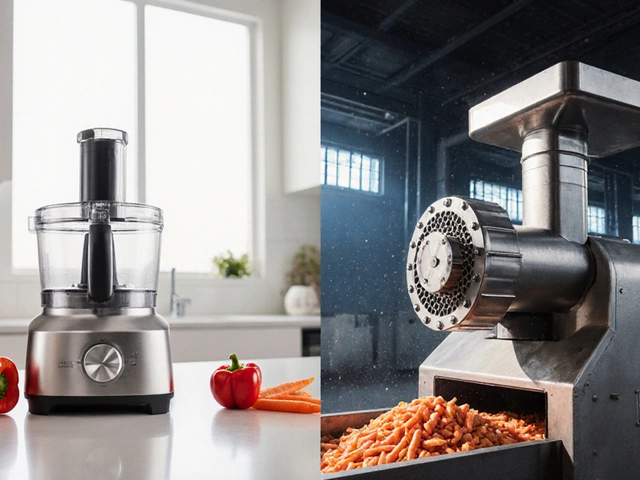
What you’ll find in the posts below are real, practical insights into how this system works—from the labs in Gujarat to the export docks in Mumbai. You’ll see how it connects to food processing units, why certain chemical hubs dominate, and how small manufacturers are stepping into the pharma supply chain. No fluff. Just clear facts about what’s being made, where, and why it matters to you.
What Is the Future of Pharmacy in India? Trends, Challenges, and Opportunities
India's pharmacy future is shifting from cheap generics to high-value drugs, AI-driven manufacturing, and global trust. Learn how policy, tech, and talent are reshaping the world's largest generic drug supplier.
View More