Pharmacy Future India: Trends, Players, and What’s Next for Indian Pharma
When we talk about the pharmacy future India, the evolving landscape of drug manufacturing, distribution, and innovation in India. Also known as Indian pharmaceutical industry, it's not just about pills and syrups—it’s about global supply chains, regulatory shifts, and a manufacturing base that now supplies over 60% of the world’s generic vaccines. India doesn’t just make drugs; it redefines how affordable medicine reaches billions.
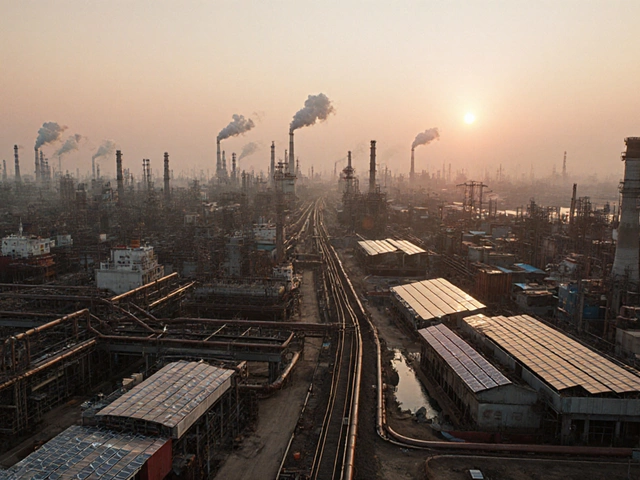
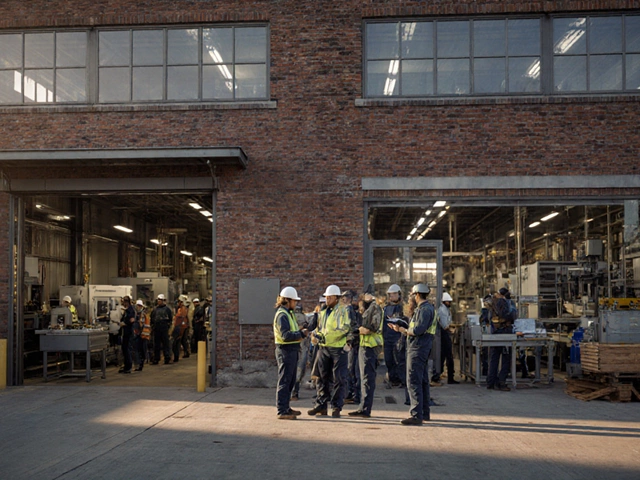
The pharma manufacturing India, the backbone of India’s drug production, centered in Gujarat and Andhra Pradesh. Also known as Indian drug production, it’s powered by low-cost labor, strict compliance with global standards, and a network of over 3,000 licensed plants. This isn’t old-school chemistry—it’s automated, data-driven, and built for scale. Companies like Dr. Reddy’s, Sun Pharma, and Cipla don’t just compete—they lead. And they’re not slowing down. With the U.S. and EU relying on India for 40% of their generic drug imports, the pressure to innovate while keeping prices low is real.
The generic drugs India, the affordable, off-patent medicines that make up 90% of India’s pharmaceutical output. Also known as low-cost medicines, they’re the reason millions in Africa, Latin America, and Southeast Asia can afford insulin, antibiotics, or HIV treatment. But the future isn’t just about copying old formulas. It’s about biosimilars, inhalers, injectables, and even AI-driven drug discovery. India’s startups are now developing new delivery systems—patches, nasal sprays, and once-a-week pills—that big pharma in the West is still testing.
And then there’s the pharmaceutical exports India, the $25 billion+ annual trade that sends medicine to over 200 countries. Also known as Indian drug exports, it’s the country’s biggest medical contribution to the world. In 2025, that number is expected to hit $40 billion. Why? Because India’s regulatory system is now trusted by the FDA, EMA, and WHO. Its supply chains are faster, cheaper, and more reliable than China’s in many cases. And unlike other nations, India doesn’t wait for patents to expire—it builds around them.
What’s missing? Investment in R&D beyond generics. A shortage of skilled pharmacists in rural areas. And the growing need for sustainable packaging—something our own tissue manufacturing here at Innovative Tissues India knows a thing or two about. But the momentum is undeniable. The pharmacy future India isn’t coming—it’s already here. And it’s not just about pills. It’s about access, innovation, and who gets to decide what medicine costs.
Below, you’ll find real insights from posts that dig into the players, the numbers, and the hidden forces shaping this industry—from how Abbott and AbbVie stack up in India, to why Gujarat became the chemical heartland, to how Indian pharma beat global giants at their own game. No fluff. Just facts that matter.
What Is the Future of Pharmacy in India? Trends, Challenges, and Opportunities
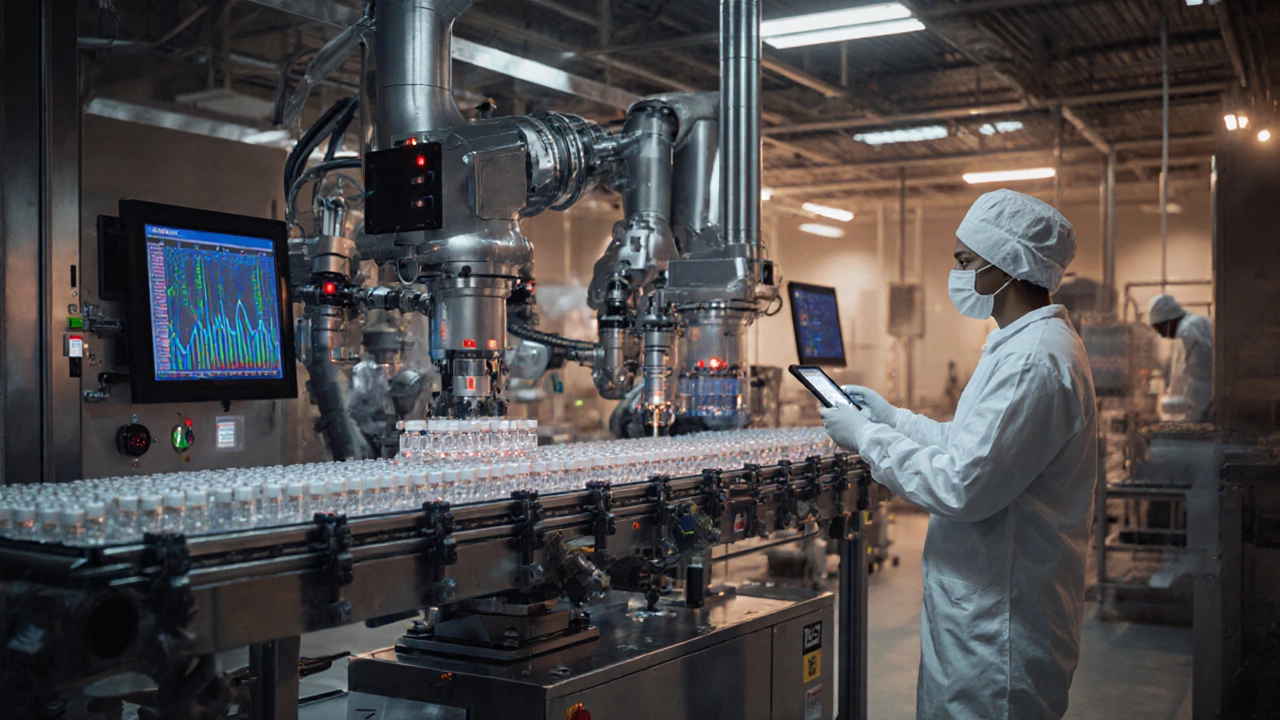
India's pharmacy future is shifting from cheap generics to high-value drugs, AI-driven manufacturing, and global trust. Learn how policy, tech, and talent are reshaping the world's largest generic drug supplier.
View More
Feb 22 2025