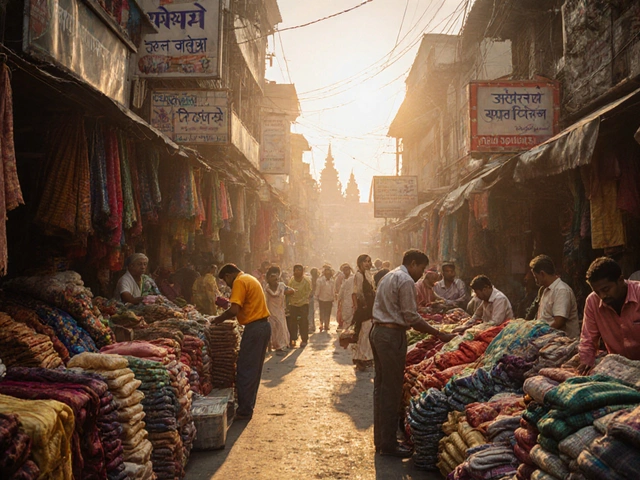
Textile Industry India: Key Fabrics, Regions, and Manufacturing Insights
When you think of textile industry India, the massive, centuries-old sector that produces everything from handwoven silk to mass-market cotton fabrics. Also known as Indian textile manufacturing, it employs over 45 million people and makes up nearly 13% of the country’s industrial output. This isn’t just about cloth—it’s about culture, livelihoods, and global supply chains. From the bustling looms of Surat to the quiet villages of Kutch, the textile industry India doesn’t just make fabric—it preserves identity.
What makes this industry unique is how deeply it’s tied to local traditions. Gujarat textiles, for example, are famous for Bandhani tie-dye and Patola silk, each pattern passed down through generations. These aren’t just products—they’re heirlooms. Meanwhile, Indian traditional fabrics like Paithani from Maharashtra and Khadi from Mumbai carry political and social meaning, too. Gandhi’s push for hand-spun cloth wasn’t just economic—it was a statement of self-reliance. Today, those same fabrics are being revived by designers and eco-conscious buyers who want real stories behind their clothes.
The textile manufacturing India sector is changing fast. While handloom weaving still thrives in rural clusters, factories in Tamil Nadu and Uttar Pradesh now churn out millions of meters of synthetic and blended fabrics for global brands. The real challenge? Balancing tradition with efficiency. Many small weavers struggle to compete with cheap imports, but others are finding success by selling directly online or partnering with ethical fashion brands. It’s not just about making more fabric—it’s about making better fabric, with fair wages and less waste.
You’ll find posts here that dig into exactly these threads—pun intended. Learn why Gujarat is called the heart of India’s textile scene, what makes Patola silk so expensive, and how cities like Mumbai and Ahmedabad are reshaping the future of Indian fabric. Whether you’re curious about the science behind dyeing techniques or the economics of handloom survival, the articles below give you real, grounded answers—not hype. This isn’t a tourist guide to silk markets. It’s a look at the people, machines, and policies keeping India’s oldest industry alive in the 21st century.
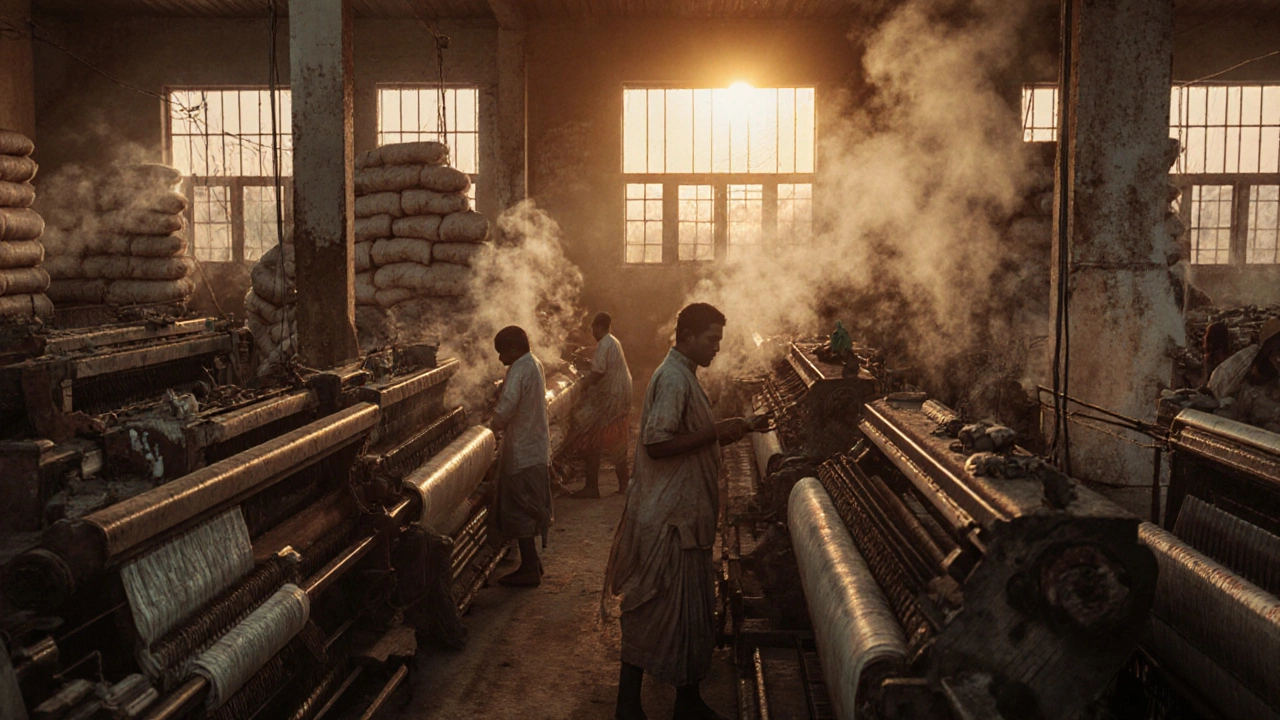
What is the current situation of the textile industry in India?
India's textile industry is a $150 billion powerhouse employing 45 million people. With rising exports, government support, and innovation in sustainable fabrics, it's transforming from a low-cost producer to a global leader in smart and eco-friendly textiles.
View More
Mar 8 2025
Nov 20 2025