US Steel Production: What It Is, Who Makes It, and Why It Matters
When you think about US steel production, the process of turning raw iron and scrap metal into usable steel for buildings, vehicles, and appliances. It's the backbone of American infrastructure and one of the most energy-intensive industries in the country. You might not see it, but every time you drive over a bridge, open a refrigerator, or step into an elevator, you're interacting with steel made in the United States.
Steel manufacturing, the industrial process that transforms iron ore and recycled scrap into high-strength steel. It's not just about melting metal—it's about precision, temperature control, and automation. Most of it happens in just a few states: Indiana, Pennsylvania, Ohio, and Alabama. These places have the ports, rail lines, and skilled workers to keep the furnaces running. The industry has shrunk in number of plants since the 1980s, but each one now produces more steel than ever before thanks to advanced electric arc furnaces and robotics. This isn't just about factories—it's about steel supply chain, the network of mines, transporters, recyclers, and distributors that move raw materials to mills and finished products to builders. The U.S. imports iron ore from Brazil and Australia, recycles over 70% of its scrap steel, and ships finished products to Canada, Mexico, and beyond. Without this chain, your new car, your kitchen sink, or even the steel frame of your home wouldn't exist.
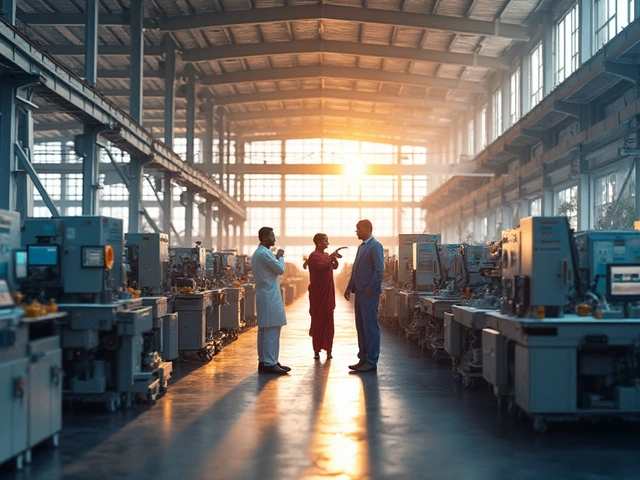
What you won't hear much about is how steel factories, large-scale industrial sites that produce steel using blast furnaces or electric arc technology. Many are located near the Great Lakes and the Gulf Coast, where access to water, rail, and ports makes shipping cost-effective are quietly becoming cleaner. New plants use renewable electricity, capture carbon emissions, and recycle nearly all their waste water. The old image of smokestacks and soot? It's mostly gone. Today’s mills are high-tech, efficient, and regulated to meet strict environmental standards.
So why does this matter to you? Because US steel production affects prices, jobs, and even national security. When steel gets expensive, so do appliances, cars, and construction projects. When mills close, entire towns feel it. And when the U.S. can't make enough steel on its own, it has to rely on imports—which can be cut off by trade wars or global disruptions.
Below, you'll find real-world insights into how steel fits into manufacturing, trade, and everyday life—from how it compares to plastic production in the U.S. to how industrial chemicals power its processes. These aren’t abstract reports. They’re stories from people who live and work in this industry, or who depend on it.
Why Doesn't the US Make Steel Anymore?
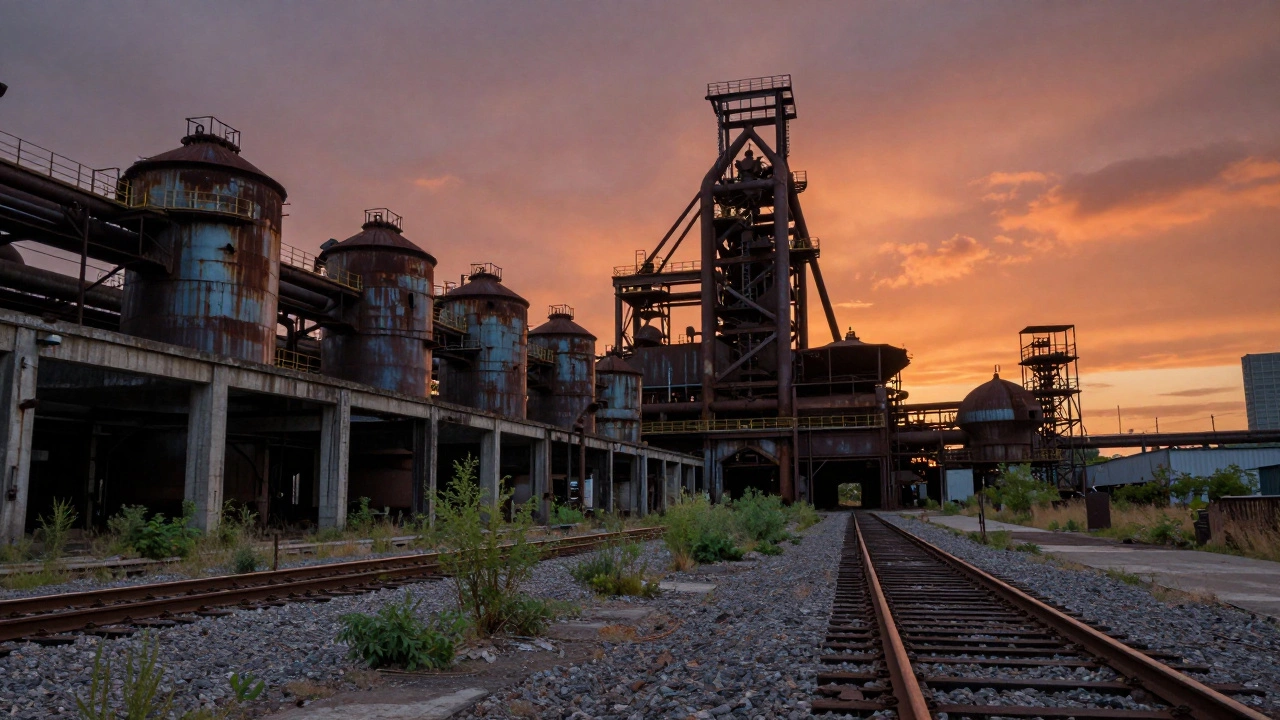
The U.S. used to be the world’s top steel producer. Now, most steel is imported. Here’s why American steel mills closed, how foreign competition and outdated tech killed the industry, and whether it can ever come back.
View More

Mar 7 2025

Oct 10 2025