Wall Mirror: Types, Placement, and How It Transforms Your Space
A wall mirror, a reflective surface mounted vertically on a wall to enhance light, space, and visual depth in a room. Also known as a decorative mirror, it’s one of the simplest yet most powerful tools in home design. You don’t need a renovation to make a room feel bigger or brighter—just hang the right mirror in the right spot.
Wall mirrors aren’t just for bathrooms. They work in entryways to create a first impression, in living rooms to bounce sunlight from windows, and even in narrow hallways to fight that claustrophobic feel. A large mirror opposite a window can double the daylight. A slim vertical mirror in a small bedroom can make the ceiling feel higher. And in a dining area? A well-placed mirror reflects candlelight or a dinner spread, turning an ordinary meal into something more inviting.
Not all wall mirrors are the same. You’ve got bathroom mirrors, designed for functionality with moisture-resistant frames and often integrated lighting, and then there are decorative mirrors, shaped like sunbursts, arches, or geometric patterns, meant to stand out as art. Some have frames made of wood, metal, or even recycled materials—perfect if you’re leaning into sustainable home trends. The frame color and shape should match your room’s vibe: a sleek black frame for modern spaces, a distressed gold one for boho or vintage looks.
Where you hang it matters more than you think. Avoid putting a mirror directly across from a cluttered wall—it just doubles the mess. Instead, aim for a clean backdrop: a blank wall, a window, or even a well-lit corner. In small rooms, floor-to-ceiling mirrors work better than small ones. And if you’re placing one in a hallway, keep it at eye level—around 5 to 6 feet from the floor—so people walking by actually see themselves.
People often overlook how mirrors affect mood. A mirror in a dim corner can lift your spirits just by making the space feel lighter. Studies on interior design show that rooms with well-placed mirrors are rated as more welcoming and spacious—even if the square footage hasn’t changed. It’s not magic. It’s physics and psychology working together.
And here’s the thing: a wall mirror doesn’t need to be expensive to make a difference. You can find sturdy, well-made options from Indian manufacturers that use locally sourced materials and avoid plastic-heavy frames. Some even come with eco-friendly backing or recycled glass, aligning with growing demand for sustainable home goods.
Whether you’re fixing up a rental, upgrading your bathroom, or just tired of the same old walls, a wall mirror is one of the easiest, cheapest, and most effective changes you can make. It’s not just about seeing your reflection—it’s about seeing your space in a new way.
Below, you’ll find real examples of how people use mirrors to solve common home problems—from tiny bathrooms to dark hallways—and what actually works when you’re trying to make your space feel bigger, brighter, or just more stylish.
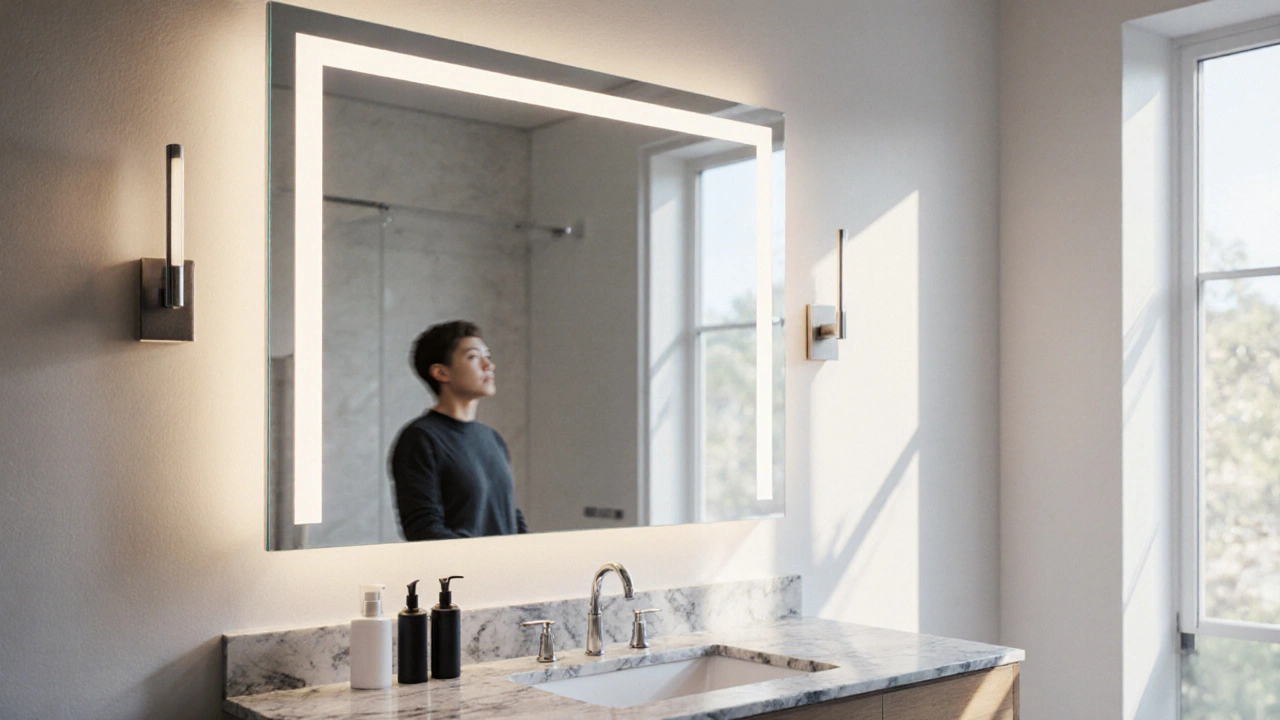
How to Choose the Right Mirror for Your Space
Learn how to choose the right mirror for any room by focusing on size, placement, lighting, and frame style. Avoid common mistakes and find the mirror that truly enhances your space.
View More