Manufacturing Industry Selector Tool
Find Your Ideal Manufacturing Sector
This tool helps you identify the most suitable manufacturing industry for your business based on your budget, timeline, and expertise. Based on Canada's 2026 market projections.
Your Recommended Industry
Why This Industry Is a Good Fit for You
When people ask what industry is high in demand, they’re usually looking for a real, actionable path-not just a list of buzzwords. If you’re thinking about starting a manufacturing business in 2026, you don’t need to chase trends. You need to find where demand is steady, growing, and backed by real-world needs. The answer isn’t in flashy tech or overhyped startups. It’s in industries that keep running, no matter what the economy does.
Medical Device Manufacturing Is Booming
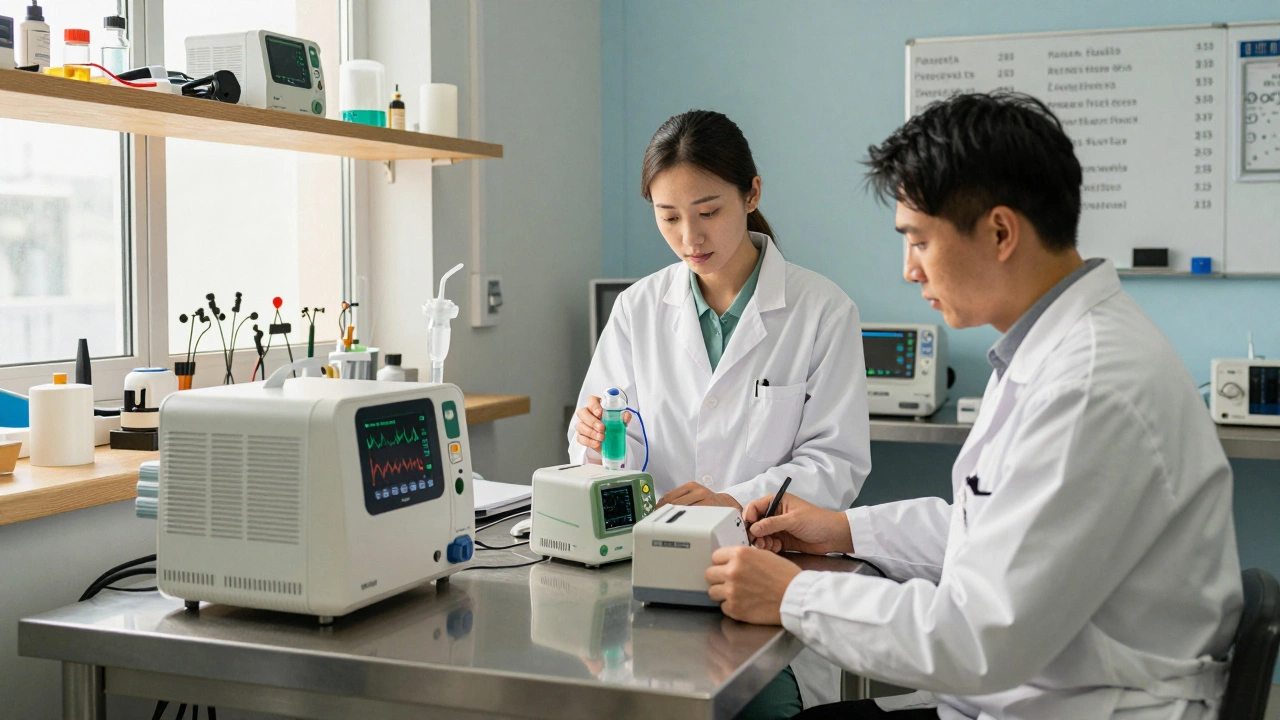
Think about the last time you or someone you know needed a simple medical device. Maybe it was a glucose monitor, a nebulizer, or even a home dialysis unit. These aren’t luxury items. They’re necessities. And demand for them is climbing fast. In Canada alone, the aging population means over 20% of citizens will be 65 or older by 2030. That’s millions more people who need ongoing medical support. Manufacturers of simple, reliable devices like portable oxygen concentrators, wearable ECG monitors, and reusable surgical tools are seeing 15-20% annual growth. You don’t need a billion-dollar lab. Many small manufacturers are thriving by focusing on one device, perfecting it, and building relationships with clinics and home care providers.
Specialty Food Processing Equipment
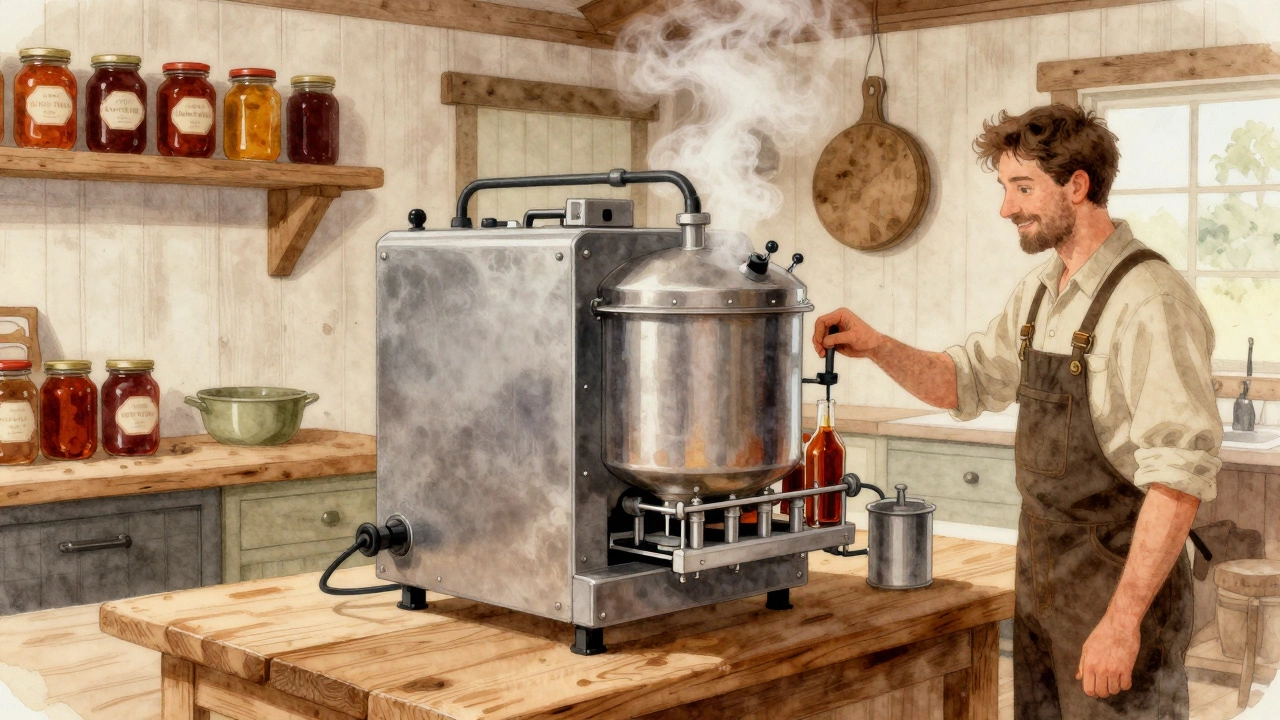
People aren’t just eating more-they’re eating differently. Demand for organic, plant-based, and locally sourced food has exploded. But here’s the catch: most small farms and food startups don’t have the machines to process their products safely and at scale. That’s where you come in. There’s a massive gap in the market for affordable, compact equipment designed for small-batch food processing. Think pasteurizers for raw milk, dehydrators for fruit snacks, or automated filling systems for artisanal sauces. These aren’t fancy robots. They’re rugged, easy-to-clean machines built for local producers. A single manufacturer in Ontario is now supplying 80+ small food businesses with custom-built bottling lines. Their secret? They listen to customers and build exactly what’s needed, not what’s trendy.
Recycling and Circular Economy Equipment
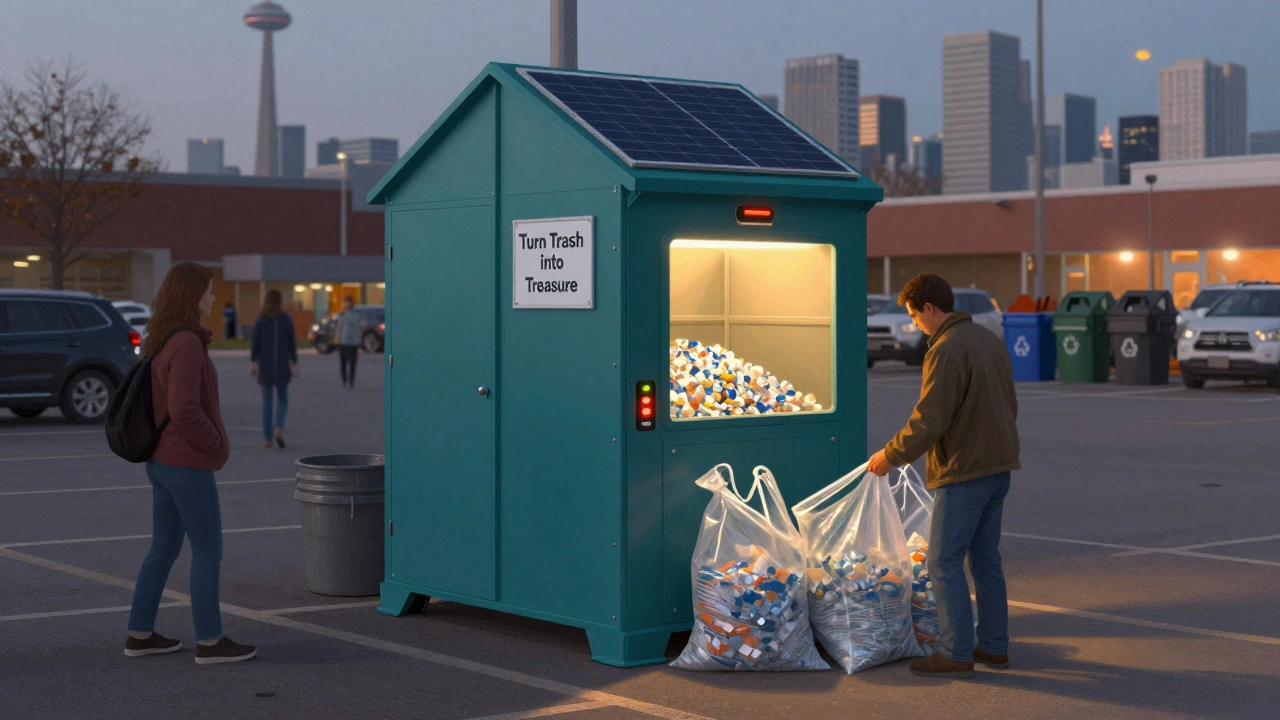
Canada’s new federal regulations on single-use plastics and extended producer responsibility (EPR) are forcing industries to rethink waste. That means demand for equipment that sorts, cleans, and repurposes materials is skyrocketing. You don’t need to build a massive recycling plant. Start small. A machine that shreds and pellets plastic waste for reuse, or a system that separates mixed textiles into usable fibers, can be sold to municipalities, schools, or even large retailers trying to meet sustainability targets. One Toronto-based startup now sells modular plastic recycling units to grocery chains. Each unit costs under $25,000 and pays for itself in under 18 months by turning trash into sellable pellets. This isn’t just environmental-it’s profitable.
Custom Agricultural Machinery
Small farms aren’t disappearing. They’re evolving. And they need tools that big agribusinesses won’t make. Think of a compact, GPS-guided planter that works in tight rows for vertical farming, or a solar-powered irrigation controller that adjusts based on soil moisture. These aren’t sci-fi gadgets. They’re practical solutions for farmers who can’t afford million-dollar tractors. In Quebec and British Columbia, small manufacturers are filling this gap by building modular, upgradeable machines. One company in Guelph now produces 300 units a year of a $12,000 multi-crop harvester. They sell directly to farmers through trade shows and Facebook groups. No dealers. No middlemen. Just solid engineering and honest pricing.
Home-Based Health and Wellness Devices
People want to manage their health without constant doctor visits. That’s driving demand for affordable, FDA-cleared home devices. Think infrared therapy panels for muscle recovery, portable TENS units for chronic pain, or even non-invasive blood pressure monitors that sync with apps. You don’t need to invent anything new. Many successful manufacturers are re-engineering existing devices to be safer, cheaper, and more user-friendly. A small shop in Mississauga started by modifying a $500 imported massage device into a $199 version with better controls and a one-year warranty. Within a year, they were selling 2,000 units a month. Their edge? Simplicity. No apps. No Bluetooth. Just reliable function.
Why These Industries Win
These five areas aren’t just growing-they’re stable. They’re not dependent on flashy tech or venture capital. They’re built on real, recurring needs: health, food, sustainability, farming, and home wellness. You don’t need to be the next Tesla. You need to be the company that reliably fixes a real problem for real people. And that’s where the money is.
Look at the numbers. The Canadian Manufacturing Institute reports that 68% of small manufacturing firms that focused on one of these five areas survived beyond five years. Compare that to the 29% survival rate for general manufacturing startups. The difference? Focus. You don’t need to do everything. You need to do one thing extremely well.
What to Avoid
Don’t get sucked into consumer electronics manufacturing. The margins are razor-thin. The competition is global. And the tech changes faster than you can build a prototype. Same goes for fashion accessories or cheap plastic toys. These markets are flooded, saturated, and dominated by giants in China. You can’t compete on price. And you can’t compete on scale.
Also avoid trying to build your own AI-driven robot. You don’t need to be cutting-edge. You need to be dependable. A simple, well-built machine that lasts 10 years and is easy to repair will outsell a flashy, high-tech gadget that breaks after six months.
Where to Start
Here’s how to begin if you’re serious:
- Find one real problem. Talk to local clinics, farmers, or small food producers. Ask what they struggle with.
- Build a prototype using off-the-shelf parts. Don’t wait for perfection.
- Test it with five customers. Get feedback. Fix it.
- Apply for Canada’s Industrial Research Assistance Program (IRAP). They offer up to $100,000 in grants for small manufacturers.
- Start small. Sell locally. Scale slowly.
You don’t need a factory. You need a mindset: solve one problem, serve one group, and do it better than anyone else.
| Industry | Annual Growth Rate | Startup Cost Range | Time to Break Even | Key Customer |
|---|---|---|---|---|
| Medical Device Manufacturing | 18% | $50,000-$150,000 | 12-18 months | Home care clinics, pharmacies |
| Specialty Food Processing Equipment | 22% | $30,000-$100,000 | 8-14 months | Small farms, artisanal food brands |
| Recycling & Circular Economy Equipment | 25% | $40,000-$120,000 | 10-16 months | Municipalities, retailers |
| Custom Agricultural Machinery | 19% | $25,000-$80,000 | 9-15 months | Small-scale farmers |
| Home-Based Health Devices | 21% | $20,000-$70,000 | 6-12 months | Consumers, wellness centers |
Frequently Asked Questions
What’s the easiest manufacturing business to start in 2026?
The easiest is home-based health devices. You can start with a $20,000 investment, source components from Alibaba, assemble them locally, and sell directly through Instagram or Shopify. No need for permits if you’re not making medical claims. One maker in Edmonton built a simple muscle recovery device, sold 500 units in six months, and now has a waiting list.
Do I need a degree to start a manufacturing business?
No. Most successful small manufacturers learned by doing. They partnered with local tech colleges for training, hired skilled machinists, and used free government workshops. The key isn’t credentials-it’s solving a real problem with a simple, reliable product.
Can I start this without a big loan?
Absolutely. Many start with $10,000-$30,000 in savings or small business grants. Canada’s IRAP program and provincial innovation funds often cover 50% of prototype costs. Some manufacturers even pre-sell their first 10 units to cover startup expenses. One company in Winnipeg built their food processing line using crowdfunding.
Is manufacturing still viable in Canada with high labor costs?
Yes-if you focus on quality, customization, and local demand. Big factories compete on price. Small manufacturers compete on speed, service, and trust. A client in Toronto will pay 30% more for a machine built locally, with a 24-hour response time and a lifetime repair guarantee. That’s your edge.
What’s the biggest mistake new manufacturers make?
Trying to build too much too soon. They spend six months designing a perfect product, then launch with no customers. The winners test early. They build a rough version, give it to five real users, and fix it based on feedback. Then they sell. Then they scale.
Next Steps
If you’re serious about starting a manufacturing business in 2026, don’t wait for the perfect idea. Start with one conversation. Visit a local clinic and ask what equipment they wish they had. Talk to a farmer at the market. Ask a food producer what slows them down. Write down their pain points. That’s your starting point. The best manufacturing opportunities aren’t found in reports-they’re found in real conversations with real people who need help.