Furniture Sourcing Value Estimator
Compare Value vs. Volume in Asian Markets
Recommended Market
Quick Takeaways
- China remains the largest by total export volume, but India is the fastest-growing hub for high-value craftsmanship.
- India's market is shifting from unorganized local workshops to large-scale industrial clusters.
- Sustainability and "Make in India" initiatives are pushing local brands to compete globally.
- Key hubs like Gujarat and Karnataka are becoming the"furniture capitals" of the region.
The Battle for the Top Spot: China vs. India
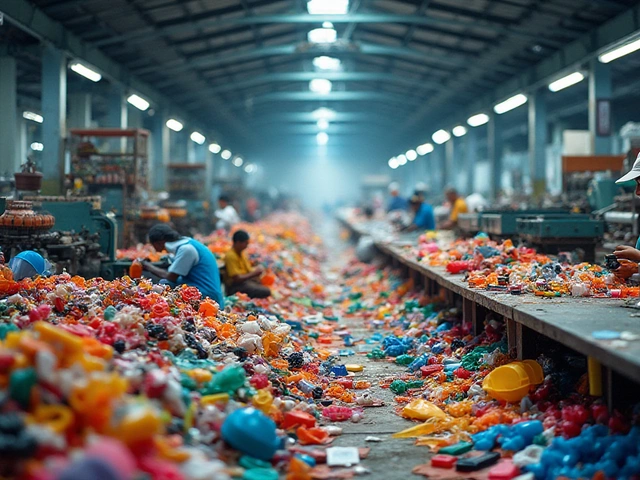
If we look strictly at the numbers, China is the world's largest furniture exporter, treating furniture as a mass-produced commodity. They have an infrastructure that can churn out thousands of identical IKEA-style flat-packs in a day. But there's a catch. The world is moving away from "disposable" furniture. This is where India steps in.
India is carving out a niche that focuses on durability and material authenticity. Instead of just plastic and pressed wood, Indian markets are leaning into Sheesham and Teak. Because of this, while China might be "larger" in terms of shipping containers, India is becoming the "largest" in terms of strategic importance for luxury and sustainable markets. The shift is fueled by a rising middle class that wants furniture that lasts twenty years, not two.
| Feature | China | India | Vietnam |
|---|---|---|---|
| Production Style | Mass Industrial | Hybrid (Artisan + Industrial) | Export-oriented Woodwork |
| Key Materials | MDF, Plastics, Plywood | Solid Wood, Metal, Cane | Rubberwood, Acacia |
| Market Driver | Global Export Volume | Domestic Demand & Craft | Trade Agreements |
| Growth Speed | Stable/Slowing | Rapidly Accelerating | Moderate |
Why India is Becoming a Global Furniture Hub
Why is everyone suddenly looking at India? It's not just about having a lot of people. It's about the Make in India initiative, a government program designed to turn the country into a global manufacturing hub. By offering incentives to factories and reducing the red tape for exporters, the government has made it easier for local brands to ship a sofa from a workshop in Rajasthan to a penthouse in New York.
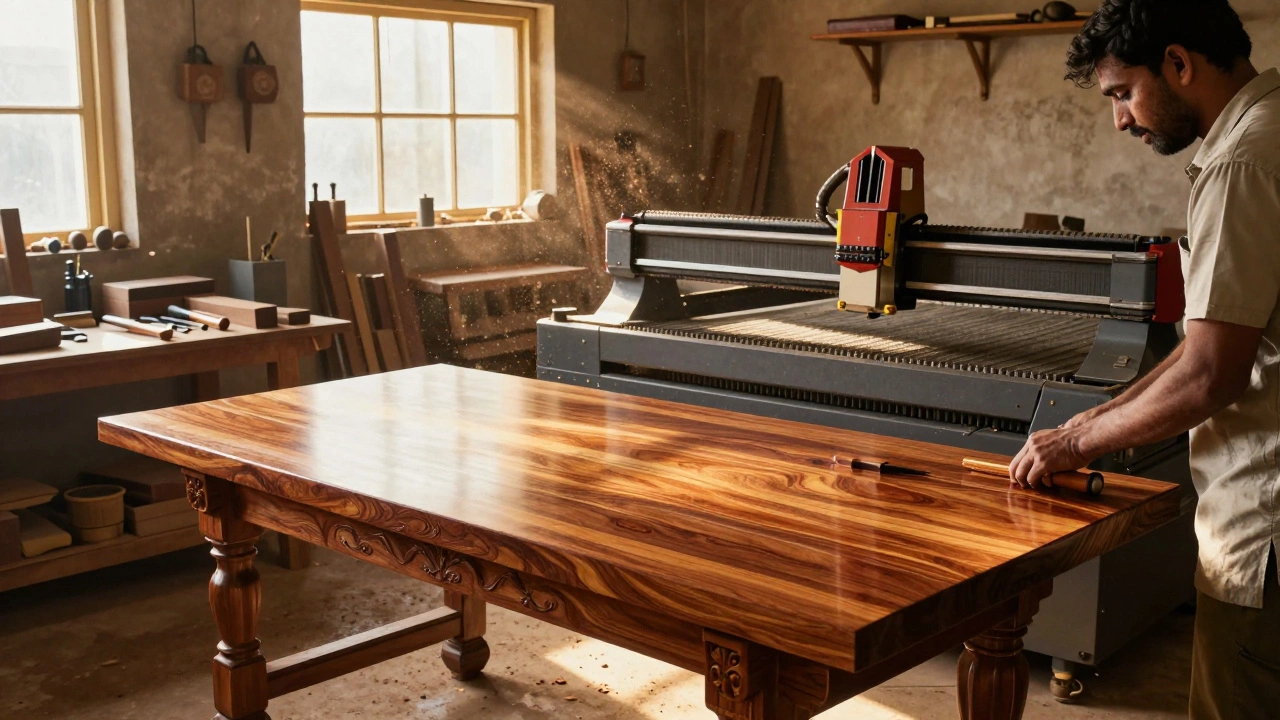
Then there is the raw material advantage. India has access to some of the finest hardwoods in the world. When you combine these materials with a culture that has practiced woodworking for millennia, you get a product that mass-produced factories simply cannot replicate. We are seeing a move toward "Industrialized Craftsmanship," where traditional designs are produced using CNC Routing and automated sanding, ensuring a perfect finish without losing the soul of the piece.
The Power Centers: Where the Furniture Happens
To understand the scale, you have to look at the clusters. Furniture isn't made in one giant building; it's made in cities that specialize in specific styles. For instance, if you want heavy, ornate carvings, you look toward Rajasthan. If you're looking for modern, sleek office furniture, Bengaluru and the surrounding regions in Karnataka are the go-to spots.
Gujarat has also emerged as a massive player. They've mastered the art of the supply chain, integrating everything from timber sourcing to logistics. This regional specialization allows Indian manufacturers to pivot quickly. Need a thousand ergonomic chairs for a new corporate park? The South handles it. Need a boutique hotel's worth of hand-carved bed frames? The West and North have it covered. This flexibility is why India is eating into the market share of other Southeast Asian nations.
The Shift Toward Sustainability and "Eco-Furniture"
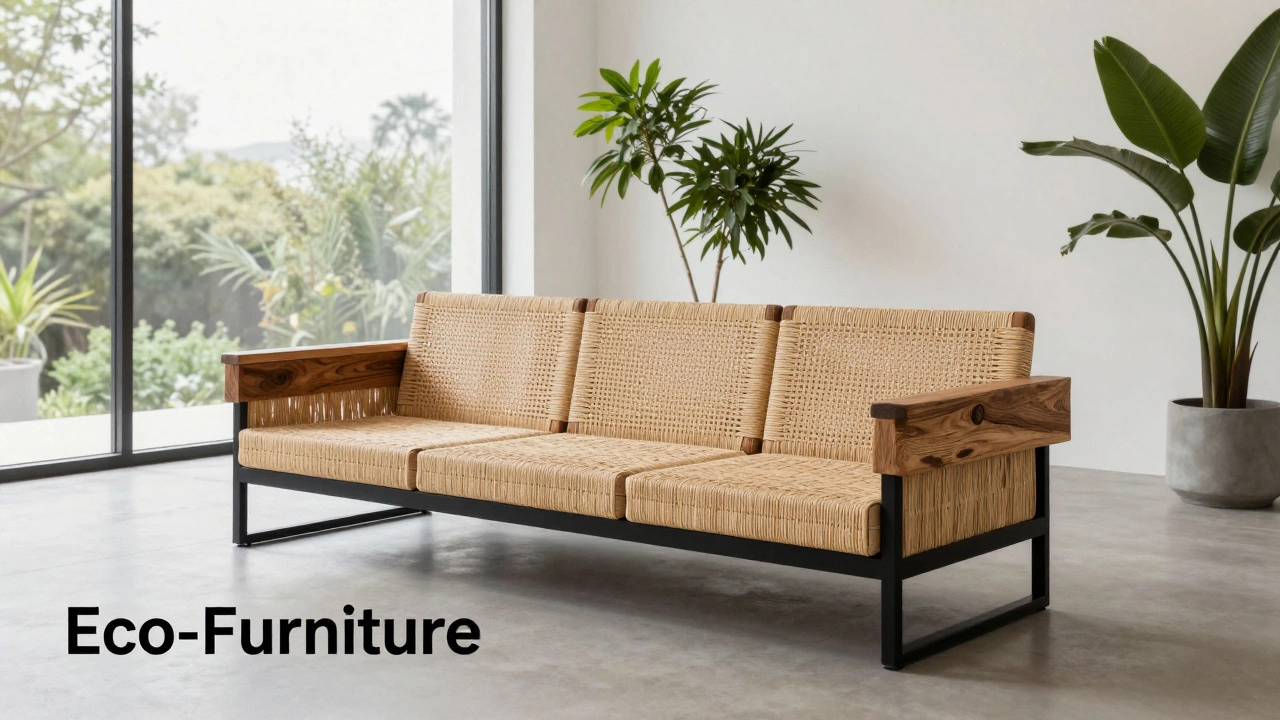
You can't talk about the largest markets today without talking about the environment. Modern buyers are terrified of deforestation. In response, Indian manufacturers are pivoting toward Sustainable Forestry and reclaimed wood. Using old railway sleepers or salvaged colonial-era beams has become a high-end trend that appeals to the European and American markets.
Moreover, there's a revival of Rattan and bamboo. These are fast-growing, renewable resources that are native to Asia. By integrating these with modern steel frames, manufacturers are creating "hybrid furniture" that is both lightweight and incredibly strong. This commitment to green manufacturing is a key reason why India is winning over the conscious consumer.

Challenges Holding Back the Growth
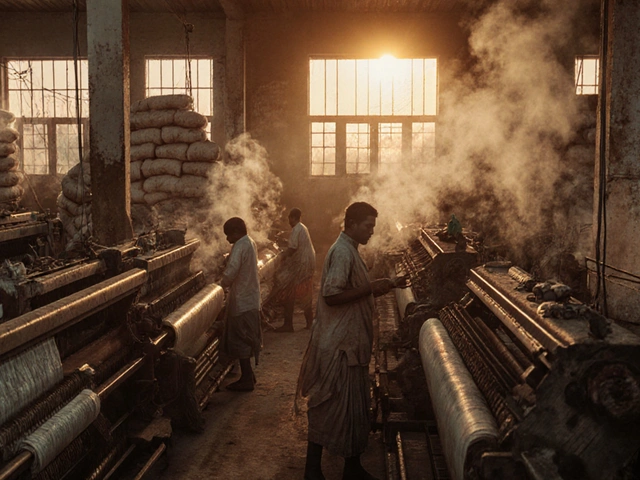
It's not all smooth sailing. For a long time, the Indian market was too fragmented. You had ten thousand tiny shops and no big brands. This made quality control a nightmare. If you ordered a table from a small village, you might get a masterpiece, or you might get something that wobbles. However, the rise of Direct-to-Consumer (D2C) brands is fixing this. These companies are implementing strict quality checks and using technology to track every piece of wood from the forest to the living room.
Logistics is the other hurdle. Moving a heavy wardrobe across a continent requires a serious road and rail network. While the government is investing heavily in "Gati Shakti" (a national master plan for multi-modal connectivity), the last-mile delivery in rural areas still lags behind the hyper-efficient systems found in China or Vietnam.
What to Expect in the Next Five Years
As we move further into 2026 and beyond, expect to see the "Smart Furniture" revolution. We're talking about desks with built-in wireless charging, sofas that track posture, and modular shelving that can be reconfigured via an app. Indian manufacturers are already experimenting with integrating electronics into traditional woodwork.
We will also see a deeper integration of AI in design. Instead of a designer spending weeks on a blueprint, AI is being used to optimize the amount of wood used, reducing waste to almost zero. This efficiency will drive prices down, making high-quality Indian furniture accessible to a wider audience, further cementing its place as a dominant force in Asia.
Is India really bigger than China in furniture?
In terms of total export volume and mass production, China is still larger. However, India is the largest in terms of growth momentum and is becoming the primary hub for sustainable and artisan-quality furniture. If you value volume, China wins; if you value craftsmanship and growth, India is the leader.
What are the best materials used by Indian manufacturers?
Indian manufacturers are famous for using Sheesham (Indian Rosewood), Teak, and Mango wood. They are also increasingly using reclaimed wood and sustainable bamboo to meet global environmental standards.
Why is the "Make in India" program important for furniture?
The Make in India initiative provides tax breaks, improves infrastructure, and encourages foreign investment. It helps small workshops scale up into factories that can meet international quality standards and export their goods more efficiently.
Where are the main furniture clusters in India?
Major hubs include Rajasthan (for carved and traditional furniture), Gujarat (for industrial production and logistics), and Karnataka/Bengaluru (for modern and office furniture).
How does India compete with Vietnam?
Vietnam focuses heavily on rubberwood and acacia for the US market. India competes by offering a wider variety of luxury hardwoods and a deeper tradition of intricate carving and custom artisan work.
Next Steps for Buyers and Investors
If you're looking to source furniture, don't just look for the lowest price. Check for certifications like FSC (Forest Stewardship Council) to ensure the wood is legally and sustainably sourced. For investors, the real opportunity lies in the mid-sized factories that are transitioning from manual labor to automated CNC technology. That's where the most significant scaling is happening right now.



Dec 26 2025