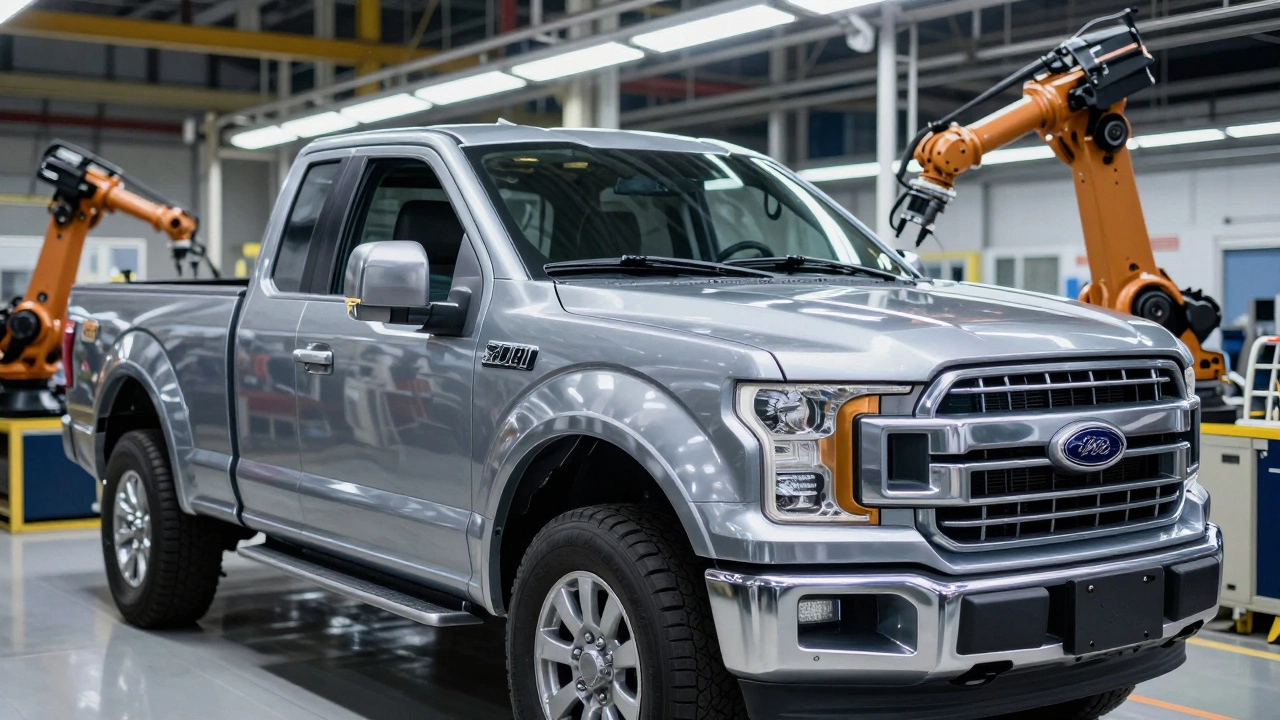
Ford Material Sourcing Simulator
Scenario: You are a Ford Procurement Manager. Choose a strategic priority to see which supplier or material strategy best fits the need.
Select Your Priority:
Click a priority on the left to analyze the best supply chain strategy.
Key Takeaways
- Ford uses a diversified mix of domestic and international suppliers to avoid production bottlenecks.
- Major partners include giants like U.S. Steel and ArcelorMittal.
- The shift toward electric vehicles (EVs) is changing the type of steel and aluminum required.
- Sustainability and "green steel" are now top priorities for their procurement teams.
The Heavy Hitters: Who Supplies the Metal?
When you look at the sheer volume of metal needed for millions of vehicles, a few names dominate the landscape. U.S. Steel is one of the oldest and largest steel producers in the United States, specializing in the high-strength sheets used for vehicle frames and bodies. Ford has a long-standing relationship with them, primarily because sourcing domestically reduces shipping costs and avoids the headaches of international customs. But they don't stop at the border. ArcelorMittal is a Luxembourg-based global leader in steel production that provides advanced high-strength steels (AHSS) to automotive makers worldwide. Because ArcelorMittal operates plants globally, they can supply Ford's international factories in Europe and Asia without having to ship heavy coils across an ocean. Then there is Nucor Corporation, which is the largest steel producer in the U.S. and a pioneer in electric arc furnace (EAF) technology. Nucor is particularly important for Ford because they focus on recycling scrap metal, which helps Ford hit its sustainability targets.| Supplier | Primary Strength | Key Material Provided | Sourcing Strategy |
|---|---|---|---|
| U.S. Steel | Domestic Scale | Cold-rolled sheets | North American Hubs |
| ArcelorMittal | Global Reach | AHSS (Advanced High Strength Steel) | Global Distribution |
| Nucor | Sustainability | Recycled Structural Steel | EAF Technology |
Why Diversity Matters in the Supply Chain
Why wouldn't Ford just pick the cheapest supplier and stick with them? Because the automotive industry is a nightmare of volatility. If a strike happens at a single blast furnace in Indiana, or a shipping canal gets blocked, thousands of workers at the Dearborn plant could be sent home. By splitting orders between multiple vendors, Ford creates a safety net. This is called "multi-sourcing." If U.S. Steel has a production glitch, Ford can lean more heavily on Nucor or ArcelorMittal to fill the gap. It's a hedge against risk. Moreover, different parts of the car require different types of steel. You don't use the same metal for a bumper that you use for the engine mount. High-strength steel is used for the "safety cage" to protect passengers during a crash, while thinner, more flexible steel is used for panels to save weight. Not every supplier is an expert in every grade of metal, so Ford buys specialized products from the best in each category.The Shift Toward Green Steel
For decades, steel was made by blasting iron ore with coke (coal), which releases a staggering amount of carbon. Ford is now under immense pressure to lower its carbon footprint, not just by making EVs, but by cleaning up the materials that go into them. This has led to the rise of "green steel." Green steel is produced using Hydrogen instead of carbon-heavy coal as a reducing agent in the steel-making process. Ford is actively partnering with suppliers who are investing in direct reduced iron (DRI) plants. By shifting their procurement toward these low-emission methods, Ford can claim a lower "embedded carbon" value for their vehicles. This isn't just about being eco-friendly; it's about preparing for future government regulations that might tax carbon-heavy manufacturing.
Steel vs. Aluminum: The Internal Battle
It is impossible to talk about Ford's steel without mentioning Aluminum. For years, Ford pushed the envelope by making the F-150 body out of aluminum to reduce weight and improve fuel economy. This shifted some of their buying power away from steel mills toward aluminum producers like Alcoa. However, steel hasn't gone away. Steel is generally cheaper and easier to repair than aluminum. The current trend is a hybrid approach. Ford uses high-strength steel for the chassis (the skeleton) where rigidity is non-negotiable, and aluminum for the skin where weight savings matter most. This means their procurement team has to manage two very different metal markets simultaneously, each with its own set of price swings and supplier risks.How Procurement Actually Works
Ford doesn't just call a salesperson and order a thousand tons of steel. They use long-term contracts called "off-take agreements." These contracts lock in prices for a set period, protecting Ford from sudden spikes in the price of iron ore or energy. They also use a process called "Just-in-Time" (JIT) delivery. The steel arrives at the stamping plant almost exactly when it's needed. This means Ford doesn't have to pay for massive warehouses to store mountains of metal. But JIT is a double-edged sword; if a shipment is delayed by a snowstorm in the Midwest, the assembly line can stop within hours. This is why the geographical location of their suppliers is just as important as the quality of the steel.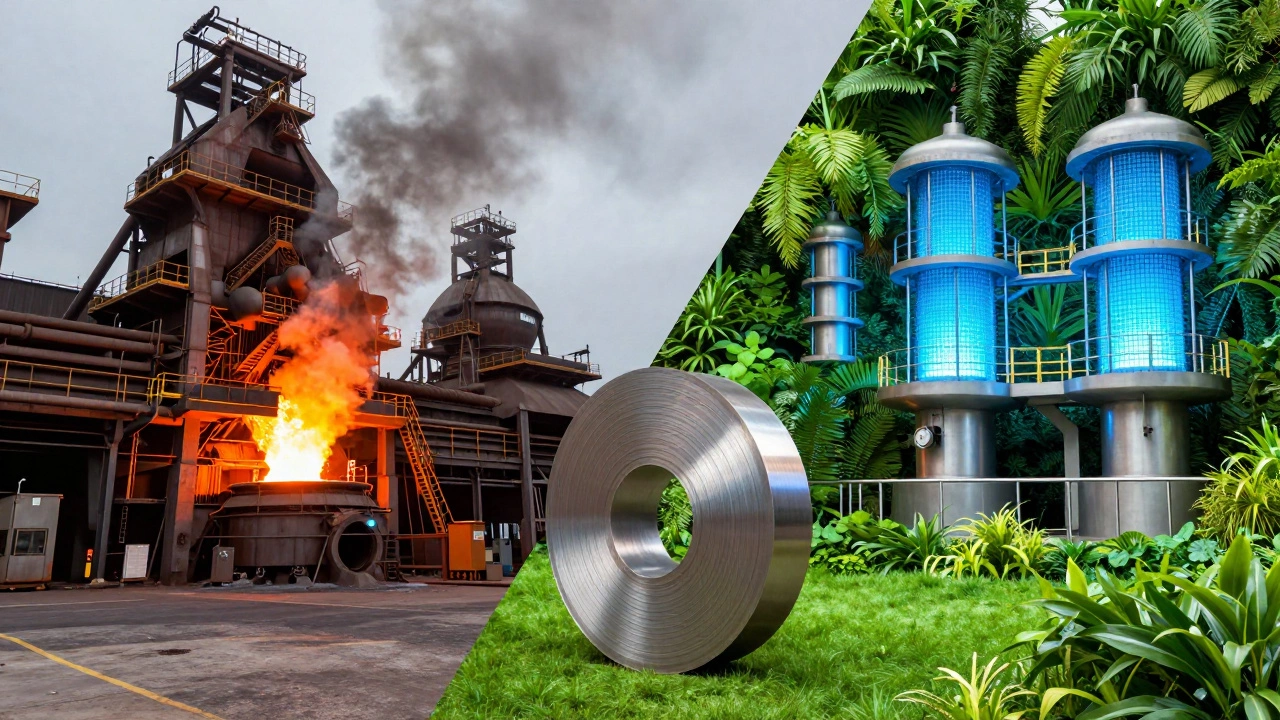
Future Trends: Circularity and Localism
We are seeing a move toward a "circular economy." Instead of just buying new steel, Ford is increasingly interested in how to recover metal from old cars and feed it back into the system. By partnering with scrap processors, they can ensure that the steel from a 2010 Fusion eventually becomes part of a 2026 Mustang Mach-E. There is also a push for "near-shoring." The pandemic showed how dangerous it is to rely on a supply chain that spans the globe. Ford is prioritizing suppliers that have plants within the USMCA (United States-Mexico-Canada Agreement) zone. This minimizes the distance the metal travels, reduces the carbon footprint of shipping, and keeps the money within the regional economy.Does Ford only use American steel?
No, while Ford prioritizes domestic suppliers like U.S. Steel and Nucor for their North American plants, they also buy from global companies like ArcelorMittal to support their international operations and to access specialized high-strength alloys that might not be produced in the U.S.
Why does Ford use different types of steel?
Different parts of the vehicle have different requirements. They use Advanced High-Strength Steel (AHSS) for the safety cage to prevent cabin collapse during crashes, while using more formable, thinner steel for body panels to reduce the overall weight of the vehicle.
How does the shift to EVs affect steel sourcing?
Electric vehicles are generally heavier due to the battery packs. This requires stronger chassis materials to maintain safety and performance. Ford is shifting toward more high-strength steels and lightweight alloys to offset the battery weight.
What is green steel and is Ford using it?
Green steel is steel produced using hydrogen instead of coal, which drastically reduces CO2 emissions. Ford is actively collaborating with suppliers who are implementing these technologies to reach their carbon neutrality goals.
Who is the most important steel supplier for Ford?
It's hard to name just one because Ford uses a multi-sourcing strategy. However, U.S. Steel and ArcelorMittal are among the most critical due to their scale and the specific types of automotive-grade steel they provide.
What's Next for Ford's Material Strategy?
If you're following the industry, the next big move isn't just about who they buy from, but how they process it. We're seeing more "vertical integration," where car companies try to get closer to the raw material source to avoid middlemen. For those wondering how this affects the cars we buy, it usually comes down to price and durability. When steel prices spike globally, you'll likely see it reflected in the MSRP of new trucks. When Ford successfully switches to a more efficient, recycled steel source, they can potentially lower costs or reinvest that money into better tech. The battle for the best metal is a quiet war, but it's one that determines every curve and every crash rating of the vehicles on our roads.


Mar 17 2026