U.S. Steel Industry: Current Trends and What’s Next
If you’ve ever wondered how America’s steel factories are doing, you’re in the right spot. The U.S. steel sector has been reshaping itself fast, and the numbers tell a clear story.
First off, production is back on the rise. In 2024, U.S. mills produced roughly 88 million metric tons, a jump of about 4% from the previous year. That growth is mostly coming from flat‑rolled products used in cars and appliances, while long‑rolled steel for construction stays steady.
Production Numbers and Key Players
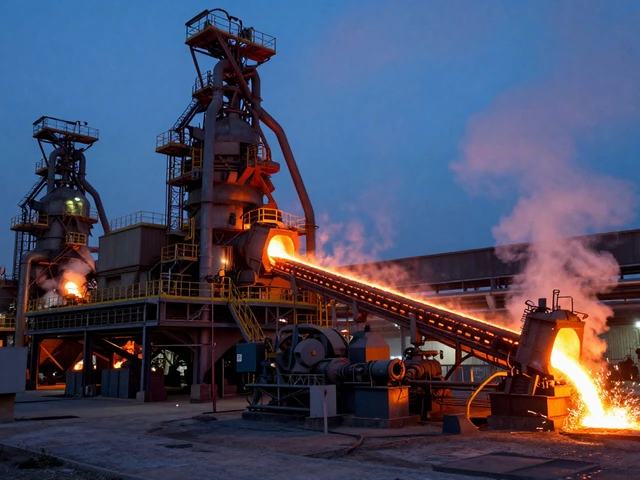
The big names still dominate. U.S. Steel, Nucor, and Steel Dynamics together account for more than half of total output. Nucor leads in the mini‑mill space, turning recycled scrap into high‑grade steel with lower energy use. U.S. Steel leans on integrated plants that run from raw iron ore to finished sheets.
What’s interesting is the surge in scrap‑based production. Recycled steel now makes up about 60% of the nation’s output, a shift driven by tighter carbon rules and cheaper scrap prices. This not only cuts emissions but also keeps costs lower for manufacturers.
Regional trends matter too. The Midwest, especially around Indiana and Ohio, still hosts most of the capacity, but the South is catching up fast. New plants in Alabama and Mississippi are adding modern tech that reduces water use and boosts efficiency.
Challenges and Opportunities Ahead
Despite the upward trend, the industry faces hurdles. Trade policy remains a moving target. Recent tariffs on imported steel gave domestic producers a short boost, but they also sparked retaliatory measures that hurt exporters.
Labor costs are another pressure point. Skilled workers command higher wages, and the aging workforce means many mills are racing to train the next generation. Automation helps, but it also requires investment in robotics and AI‑driven quality control.
On the plus side, green steel is becoming a real market driver. Companies are testing hydrogen‑based reduction and carbon‑capture technologies. If these scale, the U.S. could claim a leadership spot in low‑carbon steel, opening doors to export markets that demand greener products.
Infrastructure spending is a big plus. The federal government’s push for new bridges, roads, and clean‑energy projects promises steady demand for structural steel. Even modest increases in public works budgets can translate into dozens of millions of tons of additional orders.
Finally, consumer trends matter. Faster product cycles in automotive and appliance sectors mean manufacturers need steel that’s lightweight yet strong. Advanced high‑strength steels (AHSS) are seeing a surge in orders, and U.S. mills are expanding capacity to meet that need.
Bottom line: the U.S. steel industry is on a growth curve, but it’s a growth that depends on smart policy, tech upgrades, and a focus on sustainability. If you’re a supplier, investor, or just curious about where your next car body or kitchen appliance is coming from, keep an eye on the blend of traditional production and new‑age green initiatives.
Staying informed means watching production reports, policy announcements, and tech roll‑outs. The next few years will decide whether U.S. steel can stay competitive on a global stage while meeting climate goals. And that makes it a pretty exciting time to follow the sector.
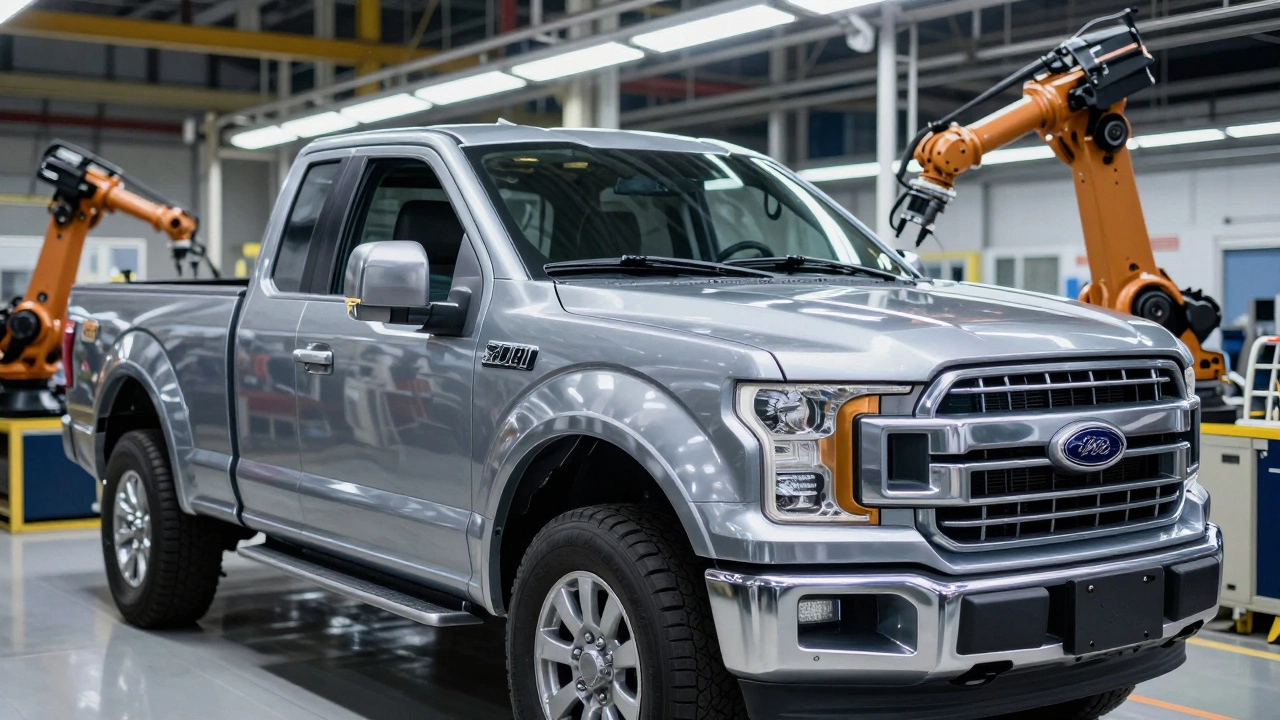
Ford's Steel Supply Chain: Where Does the Metal Come From?
Discover who supplies Ford with steel, from U.S. Steel to ArcelorMittal, and how the automotive giant manages its complex global metal supply chain for EVs and trucks.
View More
Is Nucor Acquiring U.S. Steel? Insights on the Steel Industry's Potential Mega-Deal
Explore the rumors and facts around Nucor possibly buying U.S. Steel. Get real-world numbers, expert takes, and what this could mean for the steel industry.
View More