Plastic Factory Count Estimator
The U.S. has around 1,500 plastic manufacturing facilities that produce everything from bottles and bags to car parts and medical devices. This number isn’t exact because some plants make plastic as just one part of their output, and others shut down or merge each year. But based on data from the American Chemistry Council and the U.S. Census Bureau, 1,500 is the most reliable estimate for active, large-scale plastic production sites.
What Counts as a Plastic Factory?
Not every place that uses plastic is a factory. A plastic factory is a facility that turns raw materials - like oil, natural gas, or recycled plastic - into resin pellets or finished plastic products. These sites use extruders, injection molders, blow molders, and thermoformers. A company that only assembles plastic parts bought from elsewhere doesn’t count. Same with a small shop that prints logos on pre-made plastic containers.
The real plastic factories are the ones that make the base material. For example, a plant in Port Neches, Texas, that turns ethane into polyethylene pellets is a plastic factory. A factory in Cincinnati that molds those pellets into milk jugs is also a plastic factory. But a warehouse that ships those jugs to grocery stores? Not counted.
Where Are the Most Plastic Factories Located?
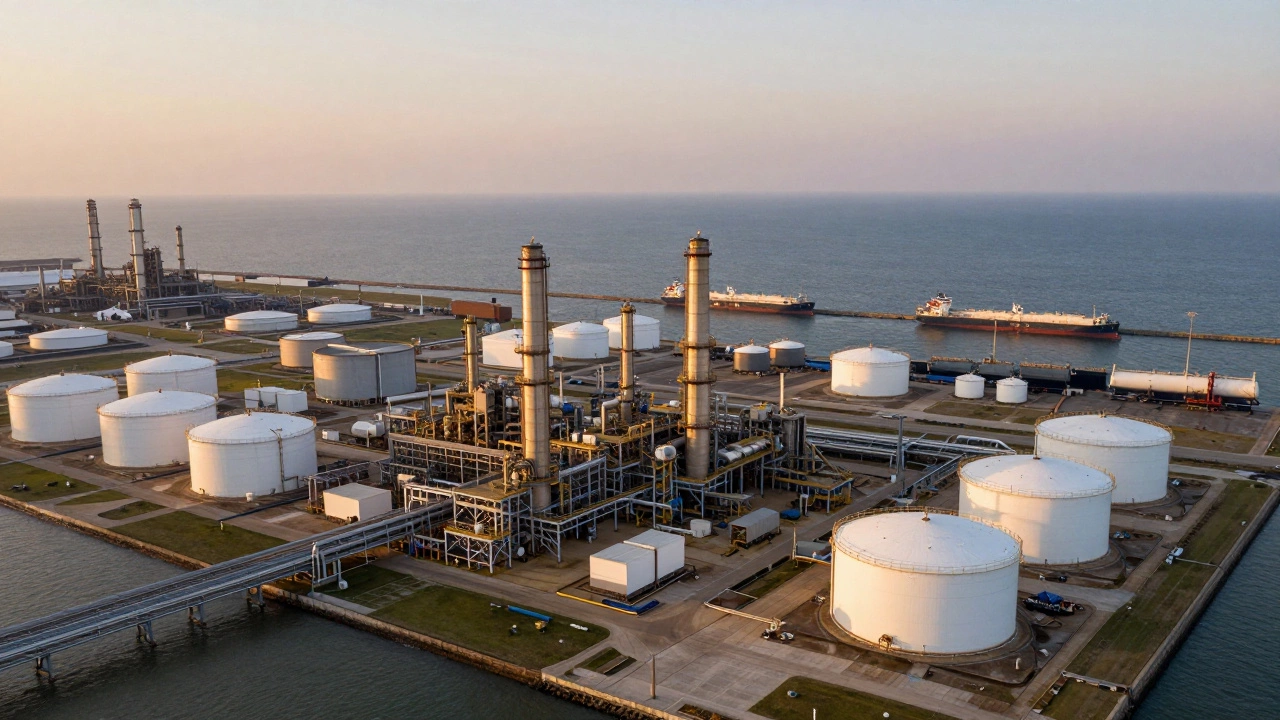
The majority of U.S. plastic production is clustered along the Gulf Coast - especially in Texas and Louisiana. That’s because the region has easy access to cheap natural gas, which is the main feedstock for most plastics. The petrochemical corridor from Corpus Christi to Baton Rouge has over 400 plastic resin plants alone.
Other major hubs include:
- Ohio River Valley (Ohio, West Virginia, Pennsylvania) - home to over 200 facilities making plastics for automotive and packaging
- Great Lakes region (Michigan, Illinois) - strong in injection molding for consumer goods
- California - focused on specialty plastics for tech and medical devices
- Midwest (Indiana, Wisconsin) - high concentration of food packaging plants
These areas aren’t just full of factories - they’re tied to pipelines, ports, and rail networks that move raw materials and finished goods. That’s why new plastic plants keep opening there, even as other regions see closures.
Types of Plastic Factories in the U.S.
Not all plastic factories are the same. They fall into three main categories:
- Resin producers - These are the biggest and most capital-intensive. They turn hydrocarbons into pellets like HDPE, LDPE, PP, and PVC. There are about 120 of these in the U.S., mostly owned by ExxonMobil, Dow, Shell, and LyondellBasell.
- Converter plants - These take resin pellets and turn them into products. There are roughly 1,100 of these. They make everything from trash bags to toy parts. Many are small or mid-sized businesses.
- Recycling facilities - These aren’t traditional factories, but they’re critical. Around 280 facilities in the U.S. sort and reprocess plastic waste into new pellets. Most of these are new since 2020, driven by state recycling laws and corporate sustainability goals.
Many converter plants also do some recycling. A company might buy virgin resin for one line and recycled pellets for another. That blurs the lines, which is why official counts vary.
Why the Number Keeps Changing
The plastic factory count isn’t static. Since 2020, the U.S. has seen:
- Over 50 new resin plants announced or under construction - mostly in Texas and Louisiana
- More than 30 older plants shut down - especially in the Northeast and Midwest
- Dozens of converter plants bought out by larger companies
- Over 100 new recycling plants opened in the last five years
Why the shift? Low natural gas prices make U.S. plastic cheaper than imports. That’s why foreign buyers - like those in Mexico and Southeast Asia - are now buying American-made resin. At the same time, stricter environmental rules and rising labor costs are pushing older, less efficient plants to close.
Also, some companies are merging. A single plant might now handle both resin production and molding, making the old count of separate facilities outdated.
How This Compares to Other Countries
The U.S. has the third-largest plastic manufacturing base in the world, behind China and the European Union. China has over 2,500 plastic resin plants and nearly 20,000 converters. The EU has about 1,200 resin and converter plants combined.
But the U.S. leads in high-value plastics - things like medical-grade polymers, aerospace composites, and electronics packaging. These are harder to make and require strict quality control. That’s why U.S. factories, even if fewer in number, often produce higher-margin products.
What’s Next for U.S. Plastic Manufacturing?
The next five years will reshape the industry. Three big trends are already clear:
- More recycling - States like California, Oregon, and Maine now require plastic makers to pay for recycling. That’s forcing factories to use more post-consumer material.
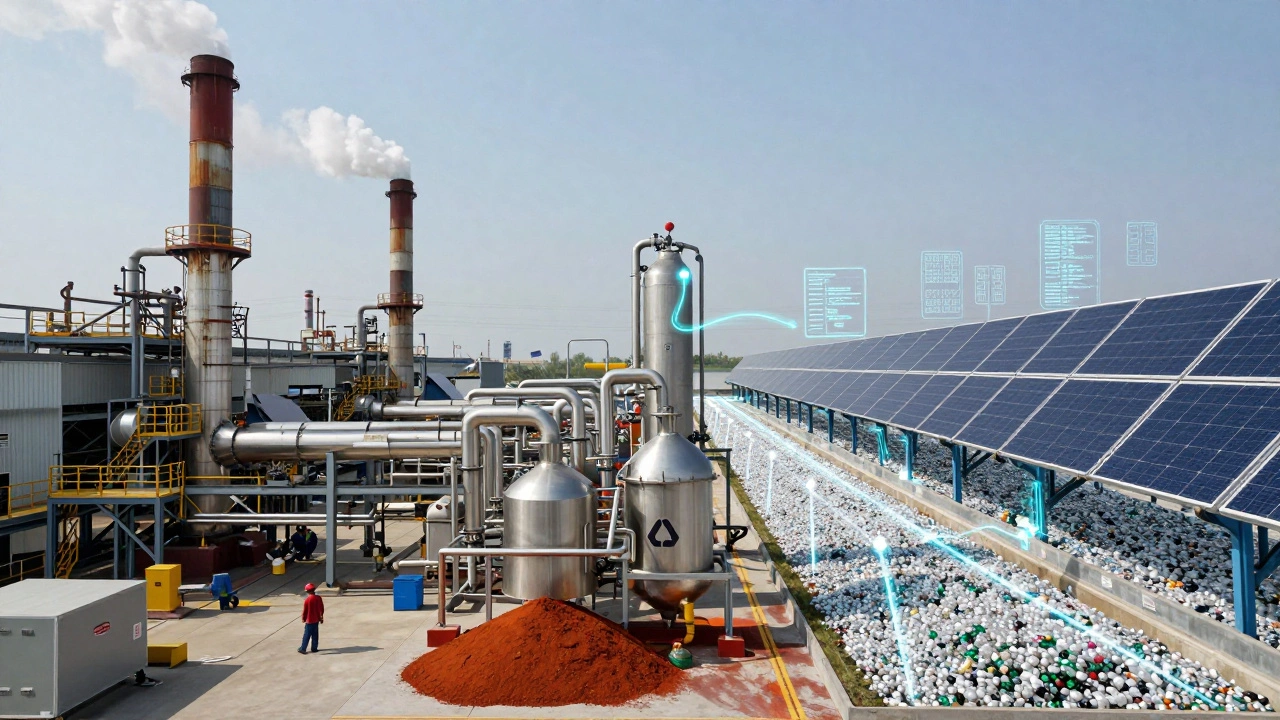
- Chemical recycling - New plants are popping up that break plastic down into oil using heat and chemicals. These aren’t traditional factories, but they’re becoming part of the plastic supply chain.
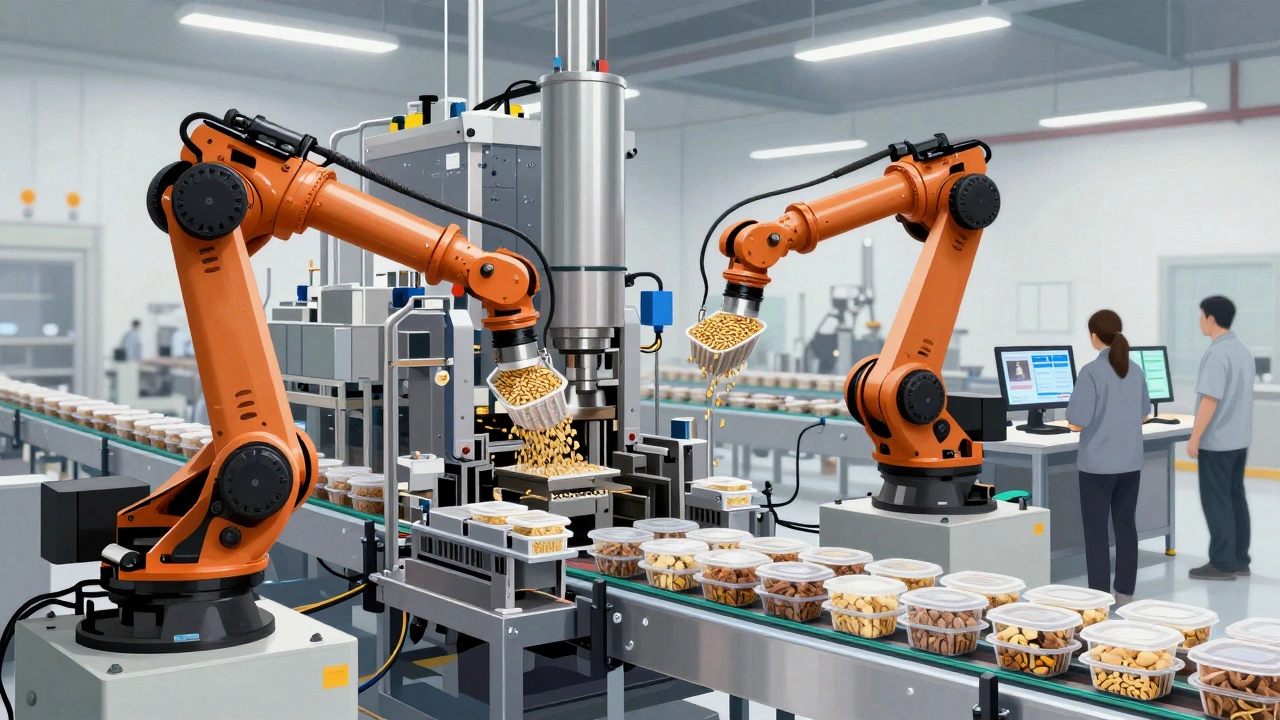
- Automation - Factories are adding robots and AI to reduce labor needs. One plant in Ohio now runs 24/7 with only 12 workers instead of 60.
By 2030, the number of traditional plastic factories might drop slightly - but the total output will keep rising. That’s because the plants that survive are bigger, smarter, and cleaner.
Where to Find Official Data
If you need exact numbers for research or business planning, here are the best sources:
- American Chemistry Council (ACC) - Publishes annual reports on U.S. plastic resin production and facility locations
- U.S. Census Bureau - Manufacturing Census - Lists facilities by NAICS code 325211 (Plastics Material and Resin Manufacturing)
- EPA’s Toxic Release Inventory (TRI) - Tracks environmental data from large plastic plants
- Plastics News Industry Directory - Lists over 1,700 U.S. plastic converters with addresses and contact info
Don’t rely on Google searches or news articles. They often mix up resin plants with packaging distributors or recycling centers. Use the official sources above for accuracy.
Why This Matters to You
Even if you don’t work in manufacturing, plastic factories affect your life. The containers your food comes in, the insulation in your walls, the parts in your car - they all come from these plants. When a factory closes, prices rise. When a new one opens, jobs come to town.
And with growing pressure to reduce plastic waste, the next generation of factories will look very different. They’ll use less energy, burn less gas, and turn old bottles into new ones. That’s not just good for the planet - it’s good for business.
Are there more plastic factories now than 10 years ago?
Not exactly. Ten years ago, the U.S. had about 1,600 plastic production facilities. Today, it’s around 1,500. The number dropped slightly because older, inefficient plants closed. But the industry didn’t shrink - it got more concentrated. The remaining plants are bigger, use less energy, and produce more plastic per worker. So while there are fewer sites, output has increased by nearly 20% since 2015.
Do plastic factories pollute a lot?
Some do, but it’s changed a lot. Older plants released more emissions and chemicals. Today’s facilities, especially those built after 2015, are much cleaner. They use closed-loop systems, capture vapors, and recycle waste heat. The EPA’s Toxic Release Inventory shows that emissions from plastic manufacturing dropped 37% between 2010 and 2024. Still, facilities near low-income neighborhoods face more scrutiny, and environmental groups continue to push for stricter rules.
Can I visit a plastic factory?
Some do offer tours, especially those with educational programs or located near universities. Companies like Dow and ExxonMobil sometimes host school groups or industry professionals. But most plants are restricted due to safety and proprietary processes. If you’re interested, contact your local chamber of commerce or the American Chemistry Council - they can point you to facilities that welcome visitors.
What’s the biggest plastic factory in the U.S.?
The largest is the ExxonMobil Baytown Complex in Texas. It’s not just one factory - it’s a network of plants covering over 3,000 acres. It produces more than 2 million tons of plastic resin each year, mostly polyethylene and polypropylene. That’s enough to make over 80 billion plastic bottles annually. It’s one of the biggest petrochemical sites in the entire Western Hemisphere.
How many people work in U.S. plastic factories?
As of 2025, about 380,000 people work directly in plastic manufacturing across the U.S. That’s down from over 500,000 in 2000, but not because there’s less work - it’s because automation has replaced many manual jobs. Today’s factories rely more on technicians who program robots and monitor sensors than on workers handling plastic by hand. The industry still pays above-average wages, with median hourly earnings around $24, and benefits are common.

Feb 22 2025