Rug & Carpet Color Contrast Calculator
Find Your Perfect Rug Color
Select your carpet color to see how different rug colors work together. Based on the article's principles of balance and visual weight.
When you walk into a room with carpet already down, the question always comes up: should the rug be darker than the carpet? It’s not about following rules-it’s about creating balance, depth, and comfort that actually works for your space. Too many people think they need to match everything perfectly, but that’s where things go flat. The truth? A rug that’s slightly darker than your carpet can make a room feel grounded, intentional, and cozy. But it’s not the only option.
Why Darker Rugs Work With Carpet
Darker rugs pull the eye down and anchor the space. Think of your carpet as the base layer-like a neutral wall. If your carpet is beige, light gray, or cream, a rug in charcoal, navy, or deep brown adds contrast without clashing. It’s the same reason people wear dark shoes with light pants: it creates visual weight at the bottom, making the whole look feel more stable.
In living rooms, this trick stops the space from feeling floaty. Light carpets can make a room look bigger, but they also make it feel less defined. A darker rug under the sofa and coffee table gives the seating area a clear boundary. You don’t need a giant rug-just one that’s big enough to fit all the front legs of your furniture. That’s enough to create a sense of cohesion.
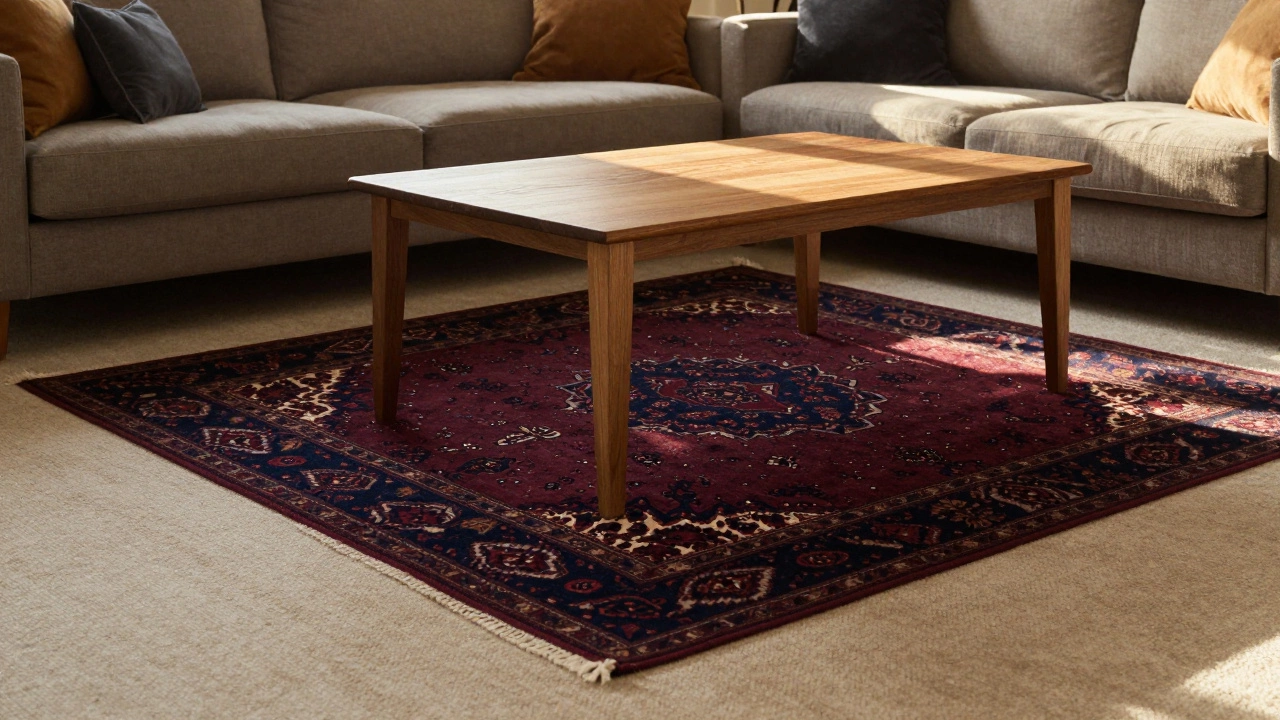
Real-world example: A Toronto home from last year had light oatmeal carpet throughout. The owner picked a vintage Persian rug in deep burgundy and navy. The contrast didn’t scream-it whispered. Guests noticed the room felt warmer, more inviting, even though nothing else changed. That’s the power of subtle contrast.
When Lighter Rugs Are Better
Not every room needs a darker rug. If your carpet is already dark-think charcoal, espresso, or deep green-a lighter rug can lift the space. Light rugs reflect more light, which helps if your room doesn’t get much sun. In basements, north-facing rooms, or homes with low ceilings, going lighter on the rug can make the area feel more open.
Also, if your carpet has a busy pattern, a solid, lighter rug can calm things down. A geometric or floral carpet in multiple tones? Pair it with a cream, oat, or soft gray rug. It acts like a visual pause button. You’re not fighting the carpet-you’re giving it room to breathe.
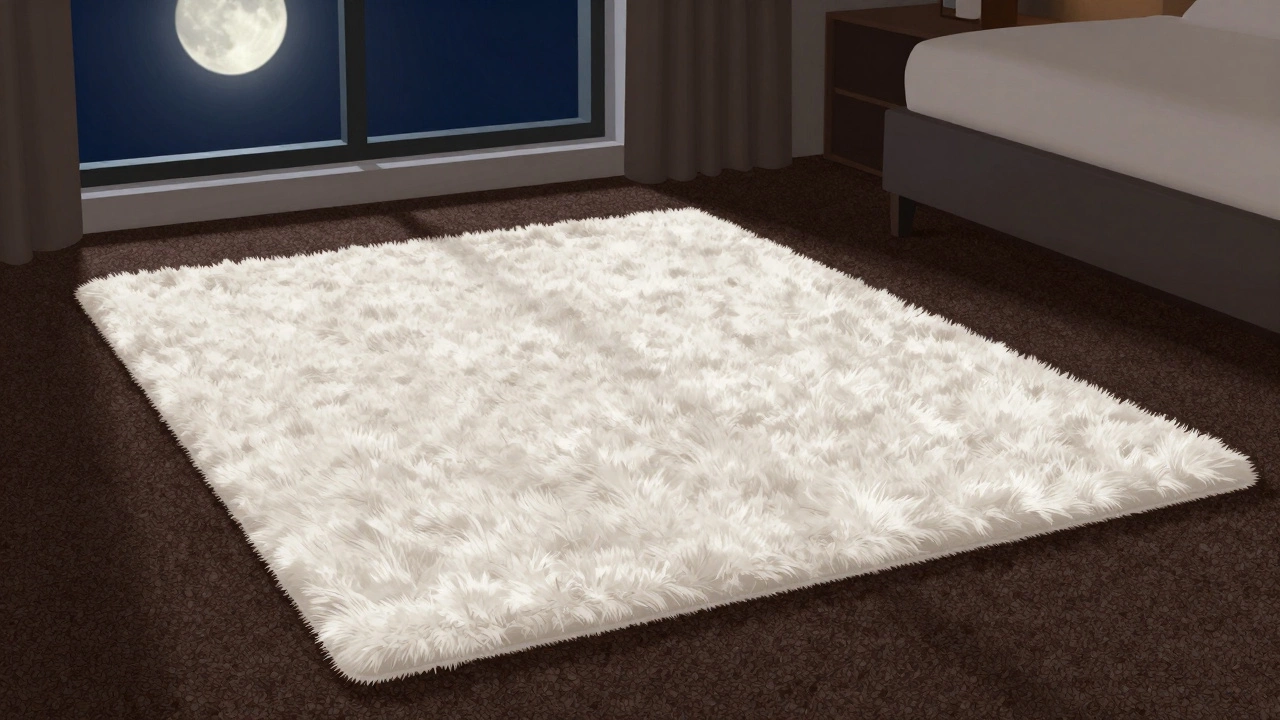
One client in Scarborough had a dark, textured carpet in her bedroom. She was worried a light rug would look dirty, but she chose a soft white wool rug. After six months, it still looked clean because she vacuumed regularly and used a rug pad. The room felt brighter, calmer, and more spa-like.
Texture Matters More Than You Think
Color isn’t the only thing that matters. Texture plays a huge role in how rugs and carpets work together. A plush, high-pile carpet paired with a flat-weave rug creates an interesting contrast in feel underfoot. You get softness from the carpet and structure from the rug.
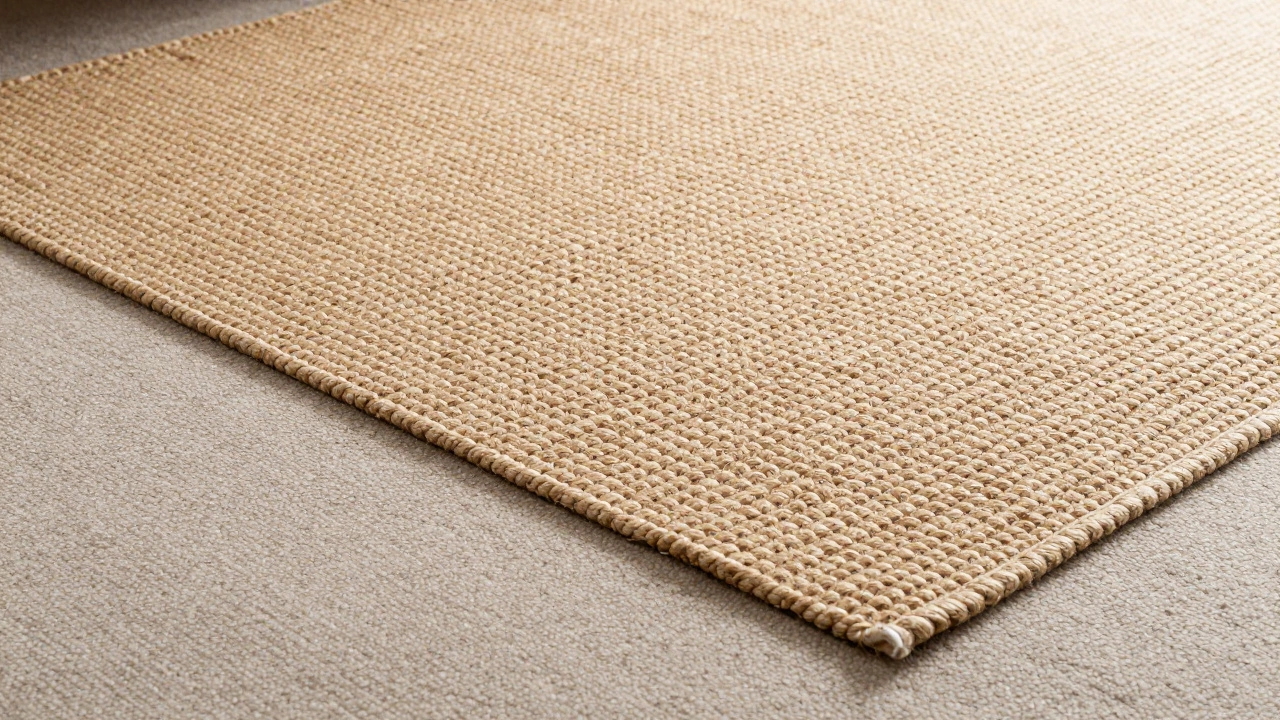
For example, if your carpet is a thick, shaggy pile, avoid a fluffy rug on top. It’ll look messy. Instead, go for a jute, sisal, or low-pile wool rug. These textures ground the space without competing.
On the flip side, if your carpet is low-pile or commercial-grade (like in an apartment building), a thick, plush rug adds comfort. You’re not just adding color-you’re adding warmth and sound absorption. That’s why many modern condos in Toronto layer rugs over thin carpet: it turns a cold, echoey space into something you actually want to walk on barefoot.
What About Pattern?
Patterned carpets are tricky. If your carpet has a subtle tone-on-tone design-like a faint herringbone or micro-check-you can afford to go bolder with your rug. A geometric or abstract rug can become the room’s focal point.
But if your carpet has a loud, colorful pattern-say, a 1980s floral or a high-contrast stripe-stick to solid rugs. Let the carpet be the statement. Your rug should be the quiet partner. A solid dark rug will tie the room together without shouting.
One rule: if you can’t tell the difference between the rug and carpet when you squint, you’ve got a problem. They should feel like two separate layers, not one big mess.
How to Test Before You Buy
Don’t just pick a rug based on a photo. Bring samples home. Lay them on your carpet at different times of day. Morning light, afternoon sun, and evening lamps all change how color reads. What looks deep brown in the store might look muddy under your living room lights.
Use a large piece of cardboard or a clean sheet to mimic the rug’s size. Walk around it. Sit on the floor. See how it feels under your feet. Does it make the space feel heavier? Lighter? More lived-in?
Also, check the back of the rug. A good rug has a sturdy backing that won’t slide or bunch up on carpet. Look for non-slip backing or plan to buy a rug pad. A rug pad isn’t optional-it’s what keeps the rug from sliding, protects your carpet, and adds cushion.
Common Mistakes to Avoid
- Going too dark: A rug that’s black or near-black on a dark carpet can vanish. You lose definition. Stick to one or two shades darker, not a full step down.
- Ignoring scale: A tiny rug on a large carpet looks like an afterthought. Make sure your rug is large enough to anchor your main furniture.
- Forgetting the room’s purpose: In high-traffic areas like hallways or kitchens, darker rugs hide dirt better. In bedrooms or formal living rooms, you can afford to be lighter or more delicate.
- Matching too closely: A rug that’s the exact same color as your carpet looks like a mistake. There needs to be enough contrast to feel intentional.
Real-World Examples That Work
Here’s what actually works in homes right now:
- Beige carpet + charcoal rug: Classic, timeless, hides pet hair and dirt. Works in 80% of homes.
- Light gray carpet + navy rug: Modern, cool, adds depth without heaviness.
- White carpet + cream rug: Only works if the carpet is pure white and the rug has texture. Avoid if the carpet has yellow undertones.
- Dark brown carpet + rust or olive rug: Earthy, warm, perfect for cabins or rustic styles.
One thing all these combos have in common? They don’t try to match. They complement.
Final Rule of Thumb
If you’re unsure, go one shade darker than your carpet. That’s the safest, most universally flattering move. It adds definition, warmth, and structure without overwhelming the space. And if you’re still stuck? Take a photo of your room and your top two rug choices. Put them side by side on your phone. Zoom out. Which one makes the room feel more complete? That’s your answer.
There’s no magic formula. But when you treat your rug as a layer-not a decoration-you start seeing how it transforms the whole floor. It’s not about being perfect. It’s about feeling right.
Should a rug be darker than the carpet?
A rug doesn’t have to be darker than the carpet, but it often works better that way. A rug one or two shades darker adds depth and anchors the space, especially if your carpet is light. But if your carpet is already dark, a lighter rug can brighten the room. The key is contrast-not matching.
Can I put a light rug on a dark carpet?
Yes, and it can look great. A light rug on a dark carpet works well in rooms with little natural light, like basements or north-facing spaces. It lifts the visual weight and makes the area feel more open. Just make sure the rug has texture or a subtle pattern so it doesn’t look like a dirty patch.
What if my carpet has a pattern?
If your carpet has a busy pattern, choose a solid-color rug. A patterned rug on top of a patterned carpet can look chaotic. Solid rugs-especially in neutral tones-let the carpet shine while still adding comfort and definition to the space.
How big should the rug be compared to the carpet?
The rug should be large enough to fit under the front legs of your main furniture-sofa, chairs, bed. It doesn’t need to cover the whole carpet. A rug that’s too small looks like an afterthought. A rug that’s too big can overwhelm. Aim for balance: enough to define the seating or sleeping area without covering every inch of floor.
Do I need a rug pad?
Yes, always. A rug pad prevents slipping, protects your carpet from wear, adds cushioning, and reduces noise. It’s not optional, especially when layering over carpet. Look for a non-slip, felt-backed pad that fits your rug’s size. It’s one of the cheapest upgrades with the biggest impact.