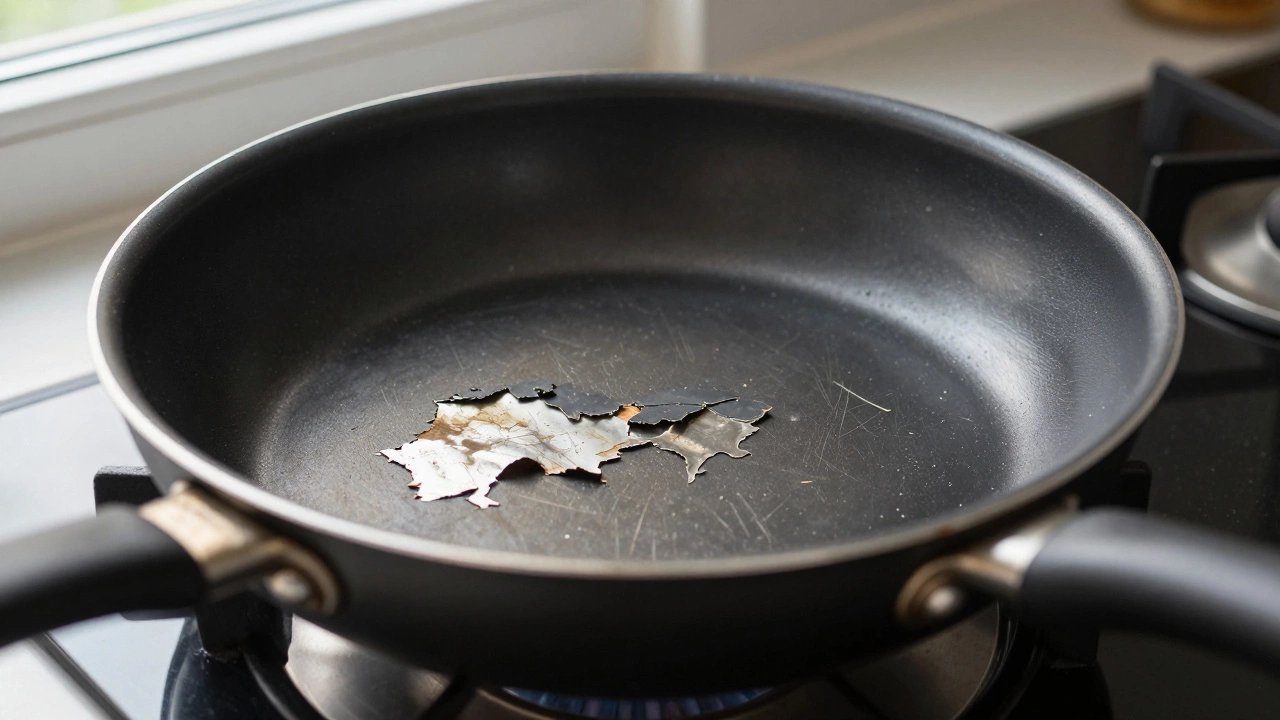
You're standing in your kitchen, looking at a frying pan with a few scratches and a patch where the coating is peeling off. You've probably heard a dozen conflicting stories: some people say these pans leak toxins into your food, while others claim they're perfectly fine as long as you don't overheat them. It's a frustrating spot to be in because you don't want to waste money on a new set if you don't have to, but you also don't want to risk your health every time you flip a pancake.
Quick Guide to Pan Safety
- Toss it if: The coating is flaking, peeling, or deeply scratched.
- Toss it if: You've accidentally overheated the pan to the point where it smells or smokes.
- Keep it if: It's PFOA-free and the surface is smooth and intact.
- Pro Tip: Never use metal utensils; stick to silicone or wood to extend the life of the coating.
What exactly is Teflon?
When we talk about Teflon is a brand name for polytetrafluoroethylene (PTFE), a synthetic fluoropolymer that creates a slippery, non-stick surface. Also known as PTFE, it's designed to stop food from sticking to the metal base of your cookware. The magic happens because PTFE has one of the lowest coefficients of friction of any solid material. Essentially, it's so "slippery" that almost nothing can grab onto it.
For decades, the process of making this coating involved a chemical called PFOA (perfluorooctanoic acid). This is where most of the health scares come from. PFOA is a "forever chemical" that doesn't break down in the environment or the human body. However, it's a common misconception that the PTFE coating itself is the main danger. In reality, the industry shifted away from PFOA around 2013, meaning most new non-stick pans you buy today are PFOA-free.
The danger of overheating and "Teflon Flu"
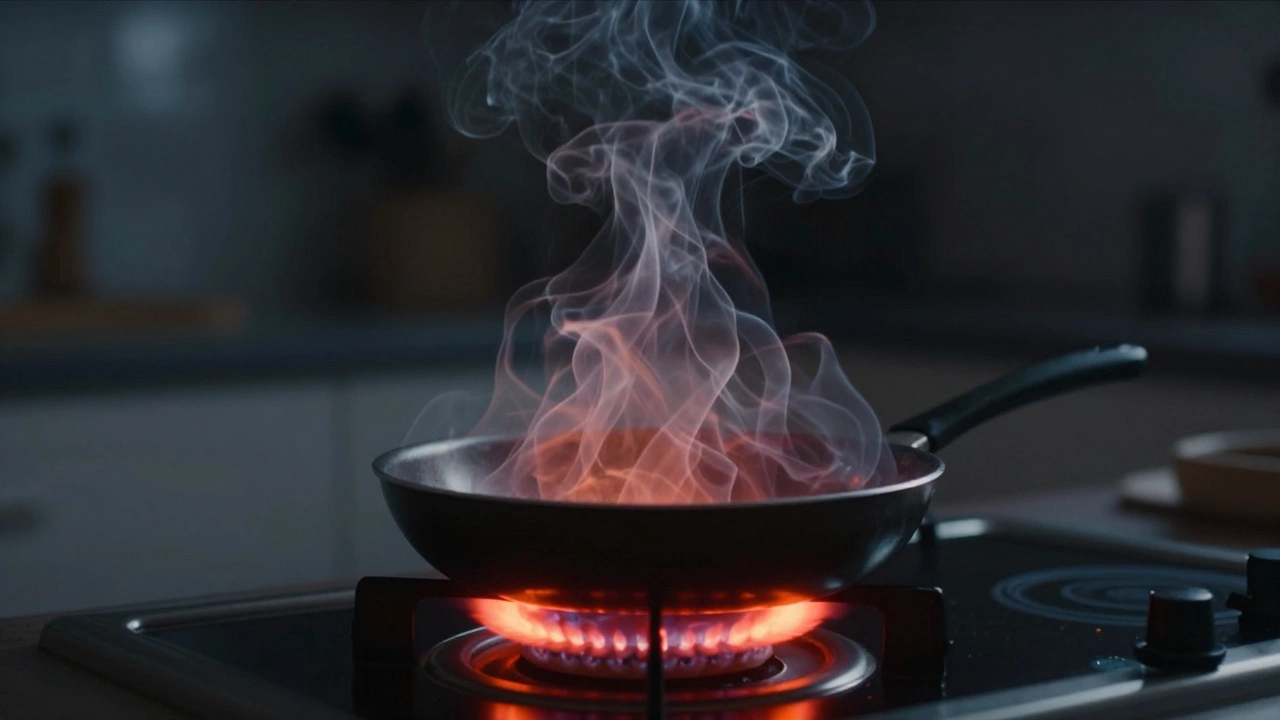
The real risk with non-stick pans isn't necessarily the coating flaking off into your eggs, but the temperature of the pan. When PTFE reaches temperatures above 500°F (260°C), the coating begins to break down. Once it hits 600°F, it starts releasing polymer fumes. If you've ever left a pan on a high burner without oil or food, you've likely hit this threshold.
These fumes can cause a condition known as polymer fume fever, often called "Teflon flu." It feels like a bad case of the chills or a sudden flu, with fever and headaches. While it's usually temporary for humans, it's incredibly dangerous for pet birds, whose sensitive respiratory systems can't handle the toxins. If your pan has been severely overheated to the point of discoloration or a burnt smell, it's time to throw it away. The structural integrity of the polymer is gone, and it's more likely to release harmful gases.
Do those little black flakes matter?
If you see small chips of the coating in your food, it's easy to panic. The good news is that if you ingest a small piece of PTFE, it typically passes through your digestive system without being absorbed. It's chemically inert, meaning it doesn't react with your body. However, the flaking is a sign that the pan is failing. Once the coating starts to peel, the non-stick property vanishes, and you'll find yourself using more oil, which defeats the purpose of owning a non-stick pan in the first place.
More importantly, when the coating peels, the underlying metal-often aluminum-is exposed. While aluminum isn't immediately toxic, the peeling process usually means the pan is creating "pockets" where bacteria can hide or where food burns more easily, leading to the production of acrylamides and other charred compounds that aren't great for your health.
Comparing your non-stick options
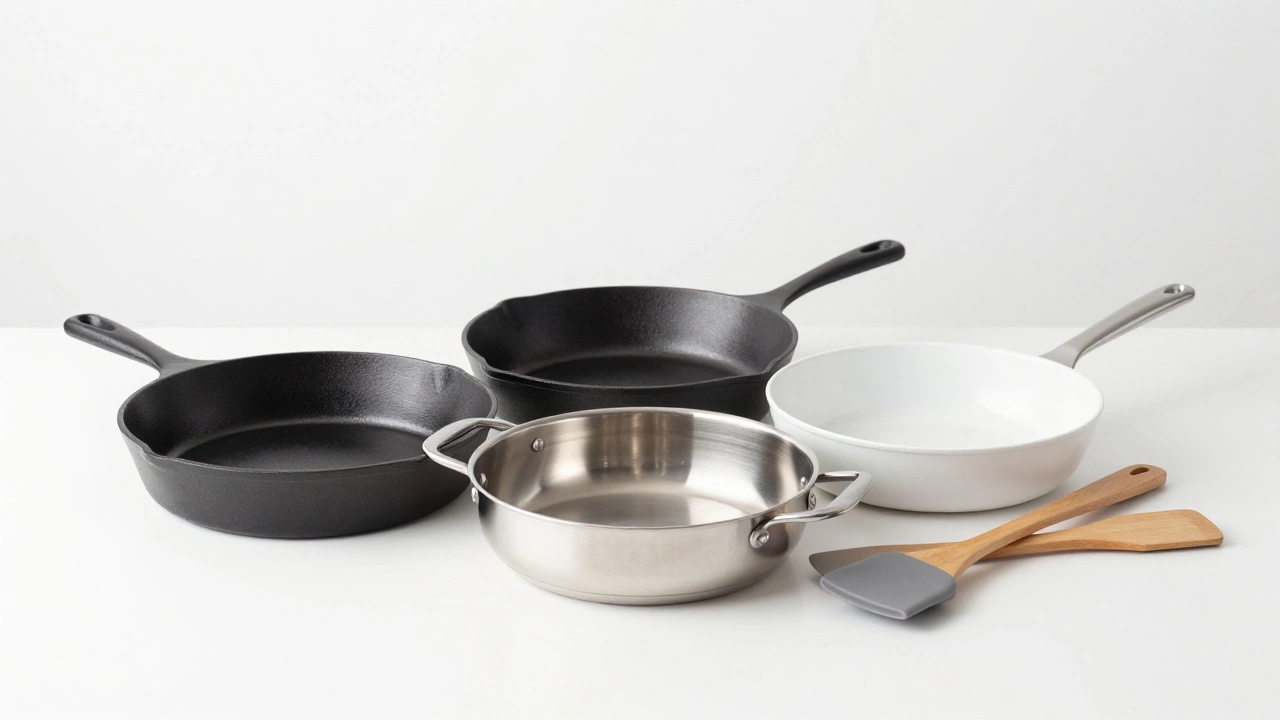
If you've decided it's time to upgrade, you'll realize there are way more options than just the traditional PTFE pans. Each has a different set of pros and cons regarding durability and heat tolerance.
| Material | Heat Limit | Durability | Health Profile |
|---|---|---|---|
| PTFE (Teflon) | Low (~500°F) | Medium | Safe if PFOA-free and not overheated |
| Ceramic | High (~800°F) | Low (Wears fast) | Generally non-toxic/chemical-free |
| Cast Iron | Very High | Lifetime | Very safe (adds iron to diet) |
| Stainless Steel | Very High | Lifetime | Gold standard for safety |
The move toward Ceramic and Cast Iron
Many people are switching to Ceramic cookware. Ceramic pans use a silica-based coating that doesn't contain fluorinated chemicals. They can handle higher temperatures without releasing fumes, making them a great choice for those who often sear meat at higher heat. The downside? They lose their non-stick properties much faster than PTFE. You might find that after six months of heavy use, your eggs start sticking again.
For those who want a "buy it for life" solution, Cast Iron is the way to go. Through a process called seasoning-basically baking oil into the metal-you create a natural non-stick surface. It's not as effortless as a brand-new Teflon pan, but it's virtually indestructible and completely free of synthetic polymers. If you can handle the weight and the occasional need for a scrub, it's the healthiest and most sustainable choice.
How to make your pans last longer
If you aren't ready to toss your current pans yet, you can slow down the degradation process with a few simple changes. Most pan damage happens during the cleaning phase or because of the tools used during cooking.
- Avoid the Dishwasher: Even if the box says "dishwasher safe," the harsh detergents and high heat can strip the non-stick coating over time. Hand wash with a soft sponge.
- Ditch the Metal: Never use metal forks or spatulas. Even a single deep scratch can become a starting point for the coating to flake. Use silicone, nylon, or wood.
- Let it Cool: Don't throw a hot pan into cold water. This "thermal shock" can warp the metal and cause the coating to crack.
- Store with Protectors: If you stack your pans, place a felt protector or a paper towel between them to prevent the bottom of one pan from scratching the surface of another.
When to actually call it quits
Despite the efforts to preserve them, every non-stick pan has an expiration date. Usually, a high-quality PTFE pan will last 3 to 5 years, while cheaper versions might fail in 18 months. You should definitely throw away your pan if you notice any of the following:
- Visible Flaking: If you see tiny black specks in your food or on the surface of the pan.
- Sticky Patches: If food starts sticking in a specific area despite using oil, the coating has worn through.
- Deep Gouges: Any scratch that reaches the metal base is a failure point for the rest of the coating.
- Discoloration: If the pan has turned brown or black in the center, it has likely been overheated and the polymer is compromised.
Are Teflon pans toxic?
Modern PTFE pans are not toxic under normal cooking conditions. The primary concern in the past was PFOA, which is no longer used in most manufacturing. However, they can release toxic fumes if heated above 500°F (260°C), which can cause respiratory issues.
Can I use a scratched non-stick pan?
While swallowing a few flakes of PTFE is generally harmless as they pass through the body, a scratched pan is a sign that the coating is failing. Once it starts peeling, the pan loses its effectiveness and can harbor bacteria or food residue in the cracks, so it's best to replace it.
What is the healthiest alternative to Teflon?
Cast iron and stainless steel are widely considered the healthiest options because they don't use synthetic chemical coatings. Ceramic is also a great alternative if you prefer the lightweight feel and non-stick ease of traditional pans without the PTFE chemicals.
How do I know if my pan is PFOA-free?
Check the packaging or the manufacturer's website. Most brands produced after 2013 explicitly state "PFOA-free" on the box. If you have a very old pan from the 90s or early 2000s, it likely contains PFOA and should be replaced.
Do ceramic pans last longer than Teflon?
Actually, no. While ceramic pans can handle higher heat and are often viewed as "healthier," their non-stick properties tend to degrade faster than PTFE. You'll likely find that ceramic pans need to be replaced more frequently if you cook every day.

Feb 17 2026