American steel plants: What they are, where they are, and why they matter
When you think of American steel plants, large industrial facilities that melt, shape, and process raw iron and scrap into structural steel for construction, vehicles, and machinery. These are the engines behind the nation’s infrastructure—from bridges and highways to the frames of your car and the beams in your apartment building. They’re not just factories; they’re the literal foundation of modern American industry.
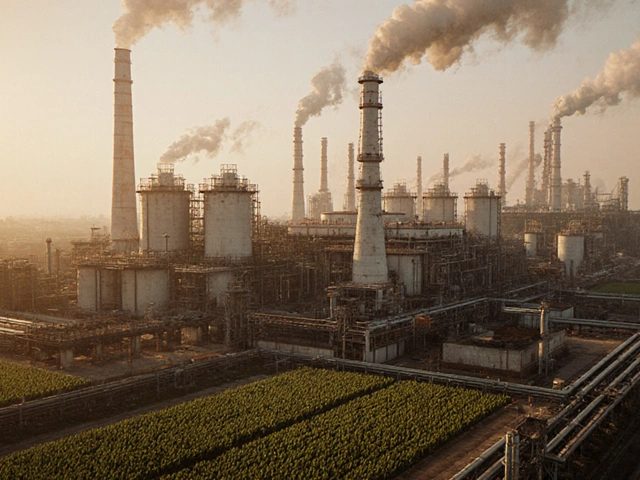
Most American steel plants are clustered in the Midwest and along the Gulf Coast, especially in states like Indiana, Ohio, Pennsylvania, and Texas. These locations aren’t random—they’re tied to old rail lines, access to Great Lakes shipping, and nearby coal and iron ore deposits. Over the last 20 years, the number of plants has dropped, but the ones still running are smarter, cleaner, and more automated than ever. Many now use electric arc furnaces that melt recycled scrap metal instead of raw ore, cutting emissions and energy use. This shift means fewer workers, but higher output per person. The U.S. still produces over 80 million tons of steel each year, even as global competition grows.
Steel manufacturing, the process of turning raw materials into usable steel products through smelting, casting, and rolling. It’s not just about heat and pressure—it’s about precision. A single steel beam used in a skyscraper must meet exact thickness and strength standards. That’s why modern plants rely on sensors, AI-driven quality checks, and robotic arms. And while China leads in total output, American plants focus on high-grade, specialty steels used in aerospace, medical devices, and defense equipment—areas where quality beats quantity. The US steel industry, a network of mills, suppliers, and logistics hubs that support domestic steel production and distribution. It’s not just about the plants themselves—it’s about the workers, the unions, the supply chains, and the policies that keep them alive. Tariffs, trade deals, and government contracts play a huge role in whether a plant stays open or shuts down.
You won’t see many American steel plants on TV, but you feel their impact every day. The rebar in your local school, the hood of your truck, the pipes under your sink—they all started as molten metal in one of these facilities. Even as automation rises and jobs shrink, the need for reliable, domestic steel hasn’t. In fact, with infrastructure bills and clean energy projects heating up, demand for American-made steel is growing again.
What you’ll find in the posts below isn’t a list of steel plant names or stock prices. It’s a collection of real, practical insights from industries that depend on steel—plastic factories, textile mills, chemical plants, and more. You’ll see how steel shapes other sectors, why some U.S. manufacturing hubs thrive while others fade, and how global trends like plastic pollution and emission rules connect back to the furnaces in Ohio and Texas. This isn’t just about steel. It’s about the hidden infrastructure that keeps everything else running.
Why Doesn't the US Make Steel Anymore?
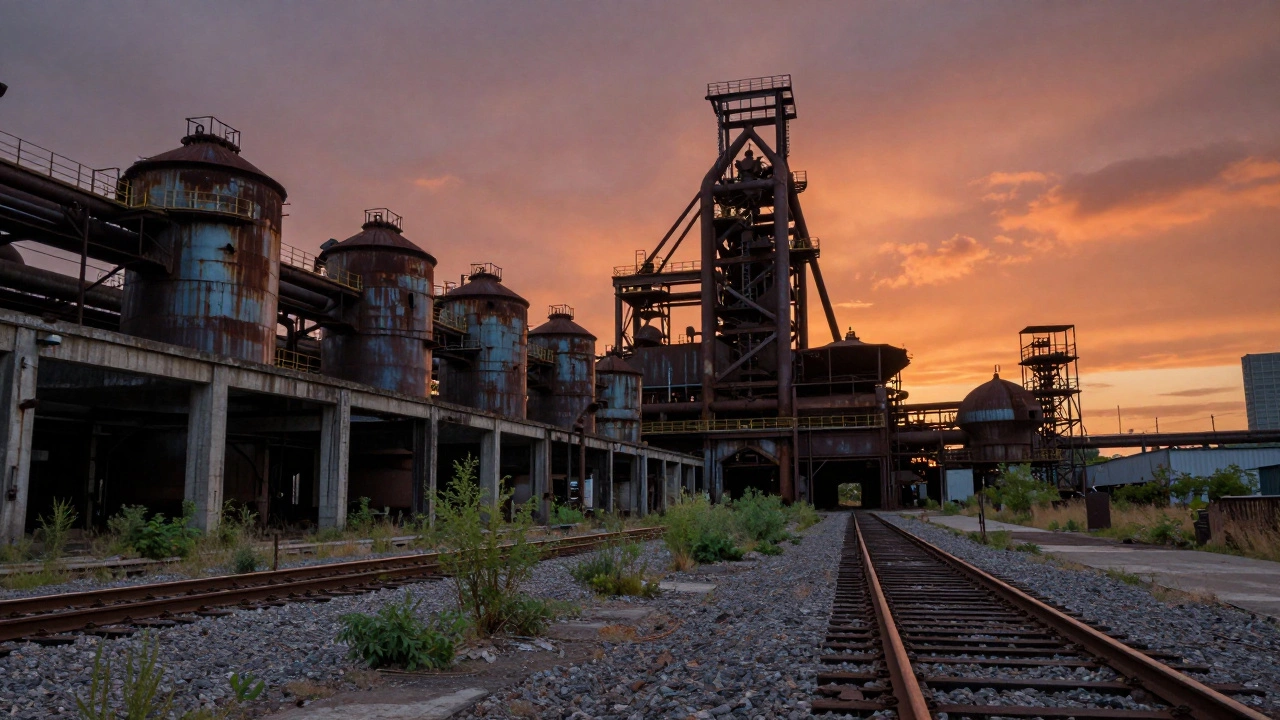
The U.S. used to be the world’s top steel producer. Now, most steel is imported. Here’s why American steel mills closed, how foreign competition and outdated tech killed the industry, and whether it can ever come back.
View More