Area Rug on Carpet: What Works, What Doesn't, and How to Get It Right
When you place an area rug on carpet, a layered floor covering used to define spaces, add warmth, or reduce noise in homes. Also known as room rug, it’s a common choice for modern interiors—but not all combinations work well together. Many people assume carpet is just a soft base, so tossing a rug on top is harmless. But that’s not always true. A rug on carpet can slide, bunch up, trap dirt, or even create a tripping hazard if not done right.
The real issue isn’t the rug or the carpet—it’s the non-slip rug pad, a layer placed between the rug and floor to prevent slipping and reduce wear. Also known as rug grip, it’s the silent hero that makes layered flooring safe and stable. Without one, even heavy rugs can shift when walked on, especially over plush or high-pile carpet. And if you’re using a thin, low-quality rug? It’ll wrinkle like paper. You might also notice more dust and allergens getting trapped between layers, which no vacuum can fully pull out. That’s why experts recommend low-pile carpets under rugs—not just for looks, but for function. Thick carpet hides the rug’s edges and makes cleaning harder. A flat-weave or medium-pile carpet gives the rug a solid foundation.
Then there’s the static electricity, an electrical charge buildup from friction between materials like synthetic rugs and carpet fibers. Also known as shock hazard, it’s more common than you think. Walking across a synthetic rug on nylon carpet? You’re basically building up a tiny battery. That zap when you touch a doorknob? It’s not just annoying—it can damage electronics or make pets skittish. Natural fiber rugs like wool or cotton reduce this risk significantly. And if you’re worried about floor damage? The right rug pad also protects carpet fibers from being crushed over time.
People often skip rug pads because they think they’re optional—or expensive. But a good one costs less than a cup of coffee per square foot and lasts years. It’s not about luxury; it’s about safety, cleanliness, and keeping your floor looking new. You don’t need to match the rug to the carpet color perfectly—just make sure the edges lie flat and the rug doesn’t curl up at the corners. If your rug rolls up after a week, you didn’t use a pad. If it stays put for months, you did.
Below, you’ll find real-world advice from people who’ve tried every combo—plush carpet under a Persian rug, synthetic loop pile with a jute runner, even shag over berber. Some worked. Most didn’t. We’ll show you exactly what to avoid, what to try, and how to fix common mistakes before they ruin your floor or your balance.
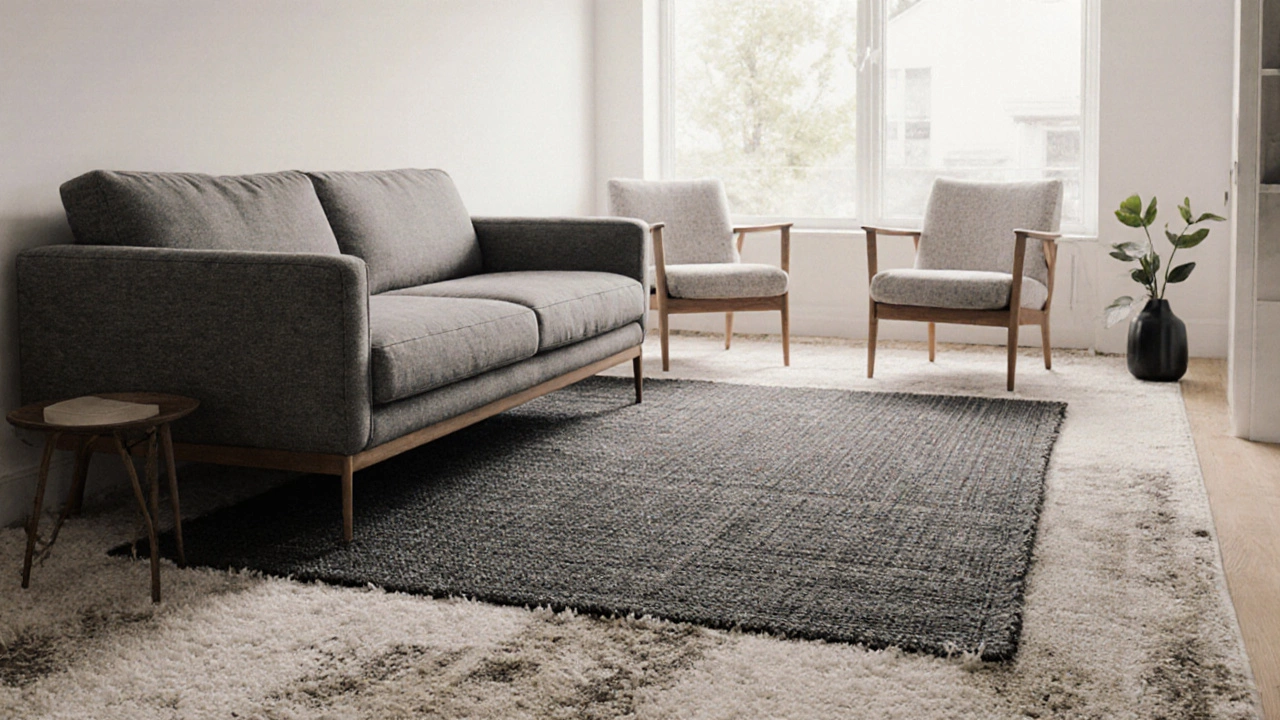
Is It Dumb to Put a Rug Over Carpet? Here’s What Actually Works
Putting a rug over carpet isn't dumb-it's a smart, affordable way to add comfort, style, and definition to any room. Learn what works, what doesn't, and how to do it right.
View More