Automobile Regulations India: What You Need to Know About Vehicle Rules and Manufacturing Standards
When you think about automobile regulations India, the set of legal and technical standards that govern how vehicles are designed, built, tested, and sold in the country. Also known as Indian motor vehicle norms, these rules control everything from engine emissions to seatbelt requirements, and they’re not just paperwork—they directly affect how safe, clean, and reliable your car is. Unlike some countries where rules change slowly, India updates its automobile regulations almost every year, driven by pollution concerns, safety upgrades, and global trade demands.
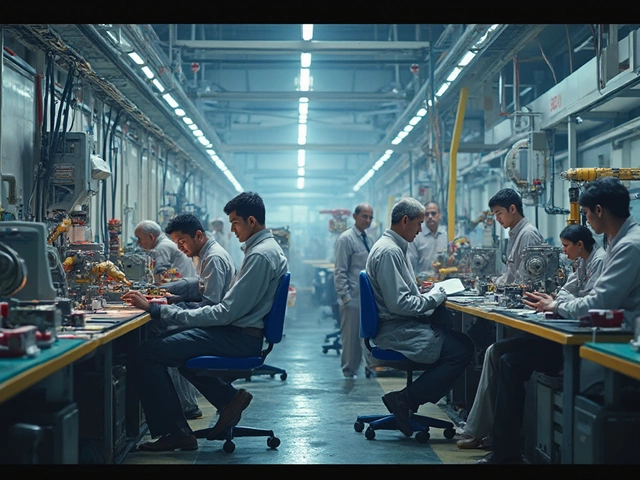
These regulations aren’t just about cars. They touch automotive manufacturing India, the entire ecosystem of factories, suppliers, and testing centers that build vehicles for Indian roads. Companies like Maruti, Tata, and Hyundai don’t just follow the rules—they design their entire production lines around them. The Bharat Stage VI (BS-VI) emission norms, for example, forced every manufacturer to overhaul fuel systems and exhaust tech by 2020. That wasn’t a small tweak. It meant billions in new equipment, retraining, and supply chain changes. Then there’s vehicle standards India, the official benchmarks for braking distance, crash resistance, lighting, and child seat anchors. These aren’t suggestions. They’re enforced by the Ministry of Road Transport and Highways, and non-compliance can mean a complete ban on sales. Even small details like tire pressure labels or windshield wiper speed are regulated. And if you’re importing parts or assembling vehicles locally, you need to know how the Automotive Industry Standard (AIS) applies to your components.
What’s interesting is how these rules connect to other industries. The same factories making car parts also produce things like silicone mats and industrial filters—products that show up in our homes. The precision required for engine valves or fuel injectors is the same kind of precision used in food processing units, where a 0.1 inch gap can mean the difference between safety and contamination. That’s why so many Indian manufacturers who started with home goods now make auto parts—they already have the skills, the quality control, and the understanding of strict tolerances.
So whether you’re buying a new car, running a small manufacturing unit, or just curious why your car’s exhaust looks different now, understanding automobile regulations India helps you see the bigger picture. Below, you’ll find real examples of how these rules impact daily life, what’s changed in the last five years, and how Indian companies are adapting—not just surviving, but leading in some areas.
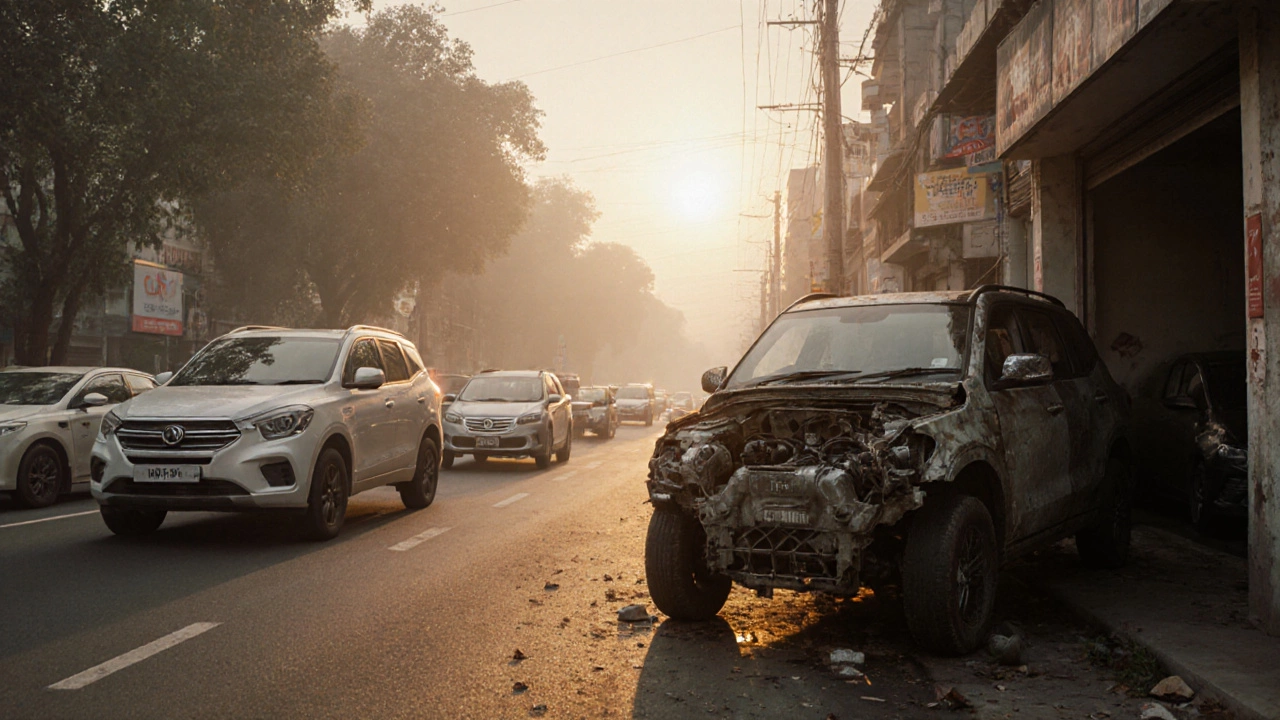
Which Engine Is Banned in India? Understanding the 2025 Emission Rules
India bans all non-BS6 engines from new sales since 2020. Learn which engines are affected, why the ban happened, and what it means for car buyers today.
View More