Cupboard Liners: Practical Picks for Kitchen Organization and Protection
When you think of cupboard liners, adhesive or roll-based sheets used to protect and clean the interiors of kitchen cabinets and shelves. Also known as shelf liners, they’re not just decorative—they’re a simple fix for sticky spills, scratched wood, and dusty corners. Most people ignore them until a jar of honey leaks or a stack of plates slides off. But the right liner turns chaos into order.
These aren’t fancy gadgets. You don’t need a degree in design to use them. You just need a clean shelf, a measuring tape, and a roll that sticks without glue residue. Pantry organization, the practice of arranging food and kitchen items for easy access and cleanliness. Also known as kitchen storage, it’s one of the most overlooked parts of home care. In Indian homes, where spices, dal, and pickles sit in stacks for months, a liner stops moisture from warping wood and keeps ants from finding their way into rice bins. It’s the same reason people in Gujarat use them under clay pots or in spice drawers—because dirt doesn’t just sit there. It clings. It spreads. And cleaning it? That’s the real chore.
Kitchen organization, the system of arranging tools, containers, and food to reduce daily friction. Also known as home efficiency, it’s not about having more space—it’s about using what you have better. A liner makes pulling out a heavy pot easier. It stops glass jars from sliding when you open the door. It catches crumbs before they sink into the wood grain. You can buy them in plain white, printed patterns, or even reusable silicone versions. Some people cut them to fit drawers. Others use them in bathroom cabinets to protect toothpaste tubes and shampoo bottles from water damage. It’s not just about kitchens. It’s about every shelf that gets used daily.
You won’t find cupboard liners in luxury home magazines. But you’ll find them in homes where people actually live—where spills happen, kids knock things over, and cleaning isn’t a weekend hobby. The best ones don’t peel after a month. They don’t trap moisture. And they’re easy to swap out when they get dirty. In places like Coimbatore or Gujarat, where textile and manufacturing know-how runs deep, people know how to make things last. That’s why some Indian households use leftover fabric scraps or repurpose old cotton sheets as liners—simple, cheap, and effective.
What you’ll find below are real stories from people who’ve tried every kind of liner—from sticky plastic to non-slip rubber—and kept the ones that actually worked. No fluff. No marketing. Just what sticks (literally), what doesn’t, and how to pick the right one for your space. Whether you’re organizing a spice rack or protecting a wooden shelf from decades of use, there’s a solution here that fits your kitchen—not someone else’s Instagram feed.
What Can I Use Instead of Shelf Liner? 10 Practical Alternatives
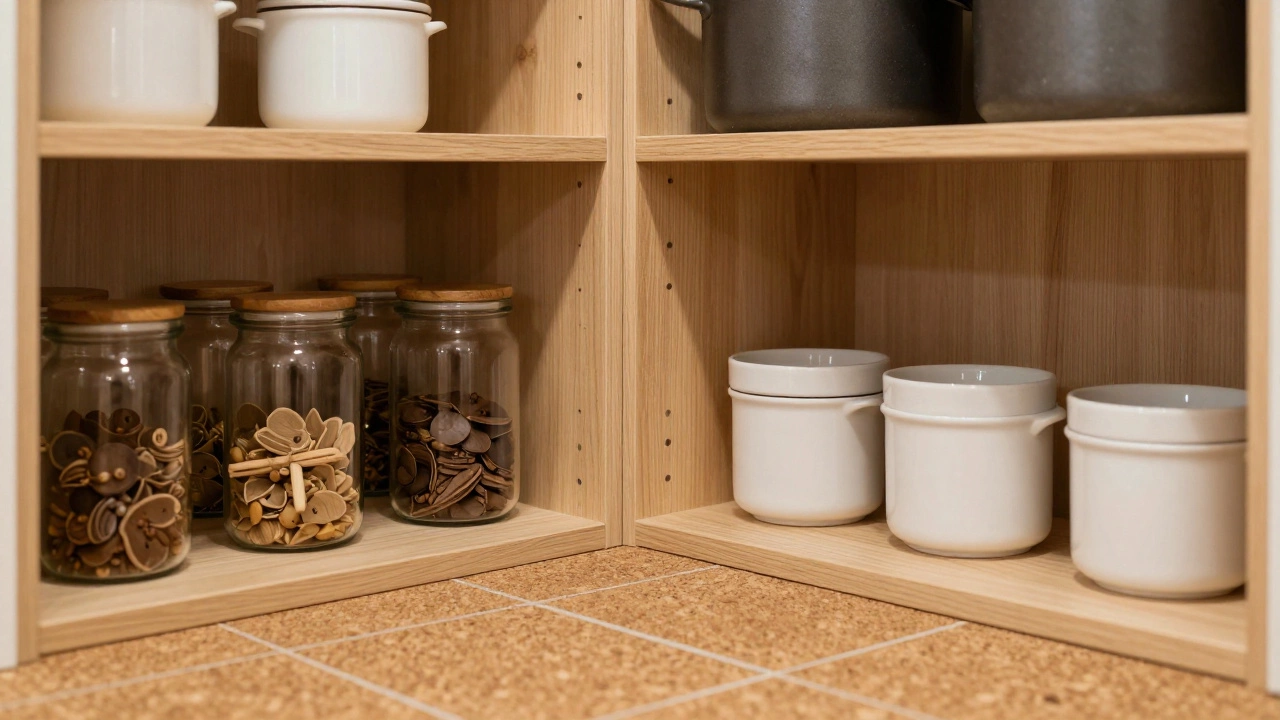
Discover 10 practical, affordable, and durable alternatives to shelf liner that actually work better-no sticky vinyl required. From cork to wood slats, find the right solution for your kitchen, pantry, or closet.
View More

Oct 30 2025