Shelf Liner Alternative Selector
Let's find your perfect shelf solution
Answer these 3 questions to get a personalized recommendation:
Your Perfect Solution
Shelf liner is everywhere-kitchen cabinets, pantries, closets, even garage shelves. But have you ever run out of it? Or found it too sticky, too expensive, or just plain ugly? You’re not alone. Millions of people reach for shelf liner to keep things tidy, but the truth is, you don’t need to buy it. There are better, cheaper, and more functional options that actually work better in real life.
Why Shelf Liner Falls Short
Most shelf liners are made of vinyl or plastic with a sticky backing. They’re marketed as non-slip, easy to clean, and protective. But here’s what really happens:- They peel up at the corners after a few months
- They trap moisture and mildew underneath
- They leave sticky residue when you try to remove them
- They don’t protect wood from water damage
- They look cheap and dated
Instead of replacing it with the same thing, try these real solutions that last longer, look better, and actually do the job.
1. Felt Sheets (Best for Light Items)
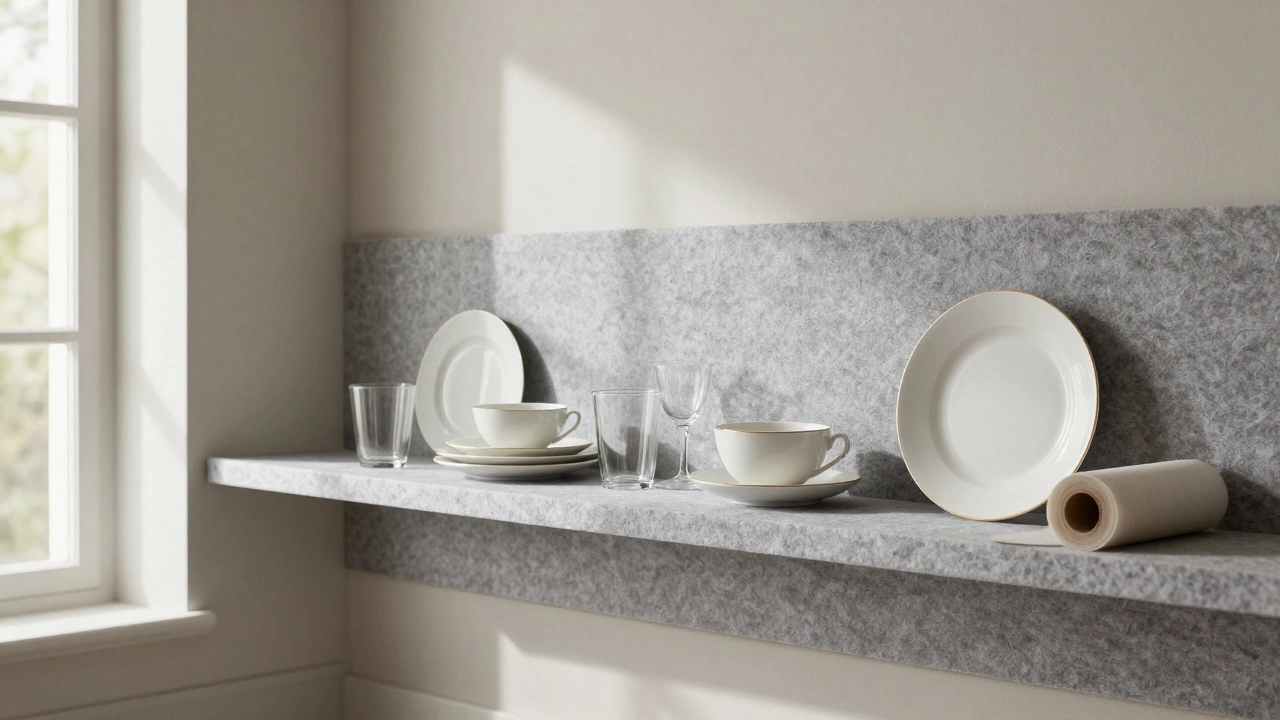
Felt is quiet, soft, and doesn’t scratch surfaces. It’s perfect for storing china, glassware, or canned goods. Buy it by the yard at any craft store-felt comes in rolls that are 36 inches wide and can be cut to fit any shelf. It’s also available in colors like gray, navy, or cream so it blends in instead of standing out.Pro tip: Use adhesive-backed felt if you want it to stay put. Non-adhesive felt works fine too-you can just lay it down and weigh it down with items on top. It won’t slide around on smooth surfaces like glass or laminate.
2. Cork Tiles (Best for Moisture Resistance)
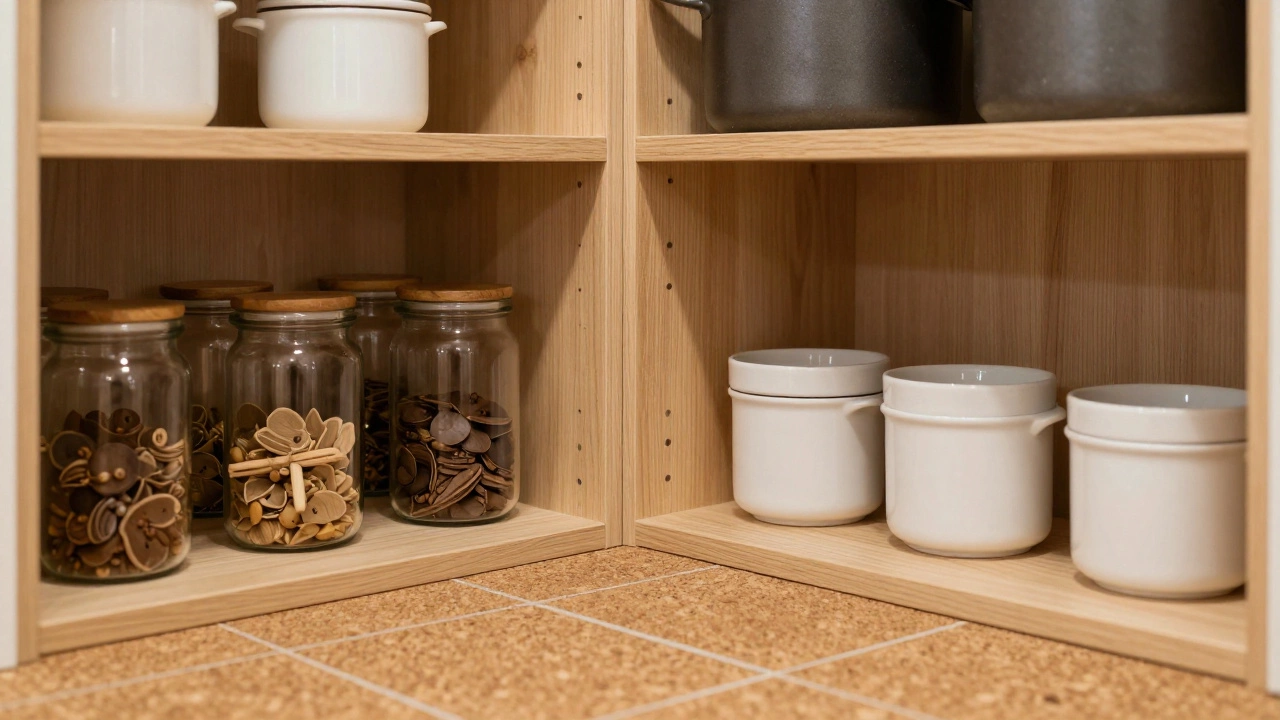
Cork is naturally water-resistant, antimicrobial, and absorbs impact. It’s the same material used in yoga mats and bulletin boards. You can buy 12x12 inch cork tiles (often sold as flooring underlayment) for under $10 a pack at home improvement stores.Install them like tiles-no glue needed. Just lay them side by side. They’re easy to remove, won’t trap moisture, and actually help cushion heavy items like pots and pans. If one tile gets damaged, you can replace just that one. Unlike plastic liner, cork won’t peel or leave goo behind.
3. Removable Wallpaper (Best for Style)
If you want your shelves to look intentional-not like an afterthought-try removable wallpaper. Brands like Chasing Paper and Spoonflower offer designs that mimic linen, tile, wood grain, or even marble. It’s peel-and-stick, so no tools or glue needed.It’s perfect for display shelves, pantry doors, or bookcases where you want visual interest. It doesn’t protect against heavy spills, but it’s great for keeping lightweight items from sliding and adds instant character. Just wipe it clean with a damp cloth.
4. Parchment Paper (Best for Temporary Use)
No time to shop? Need a quick fix for a pantry shelf? Grab a roll of parchment paper from your kitchen drawer. It’s cheap, disposable, and non-stick. Perfect for lining shelves that hold baking supplies, spices, or dry goods.It won’t last long-replace it every 2-4 weeks-but it’s ideal if you’re cleaning out your pantry seasonally or just want to avoid the mess of sticky liner. Plus, it’s food-safe and compostable.
5. Rubber Mats (Best for Heavy or Slippery Items)
Think of those non-slip mats you put under your coffee maker or blender. Now imagine that scaled up. Rubber mats-like the kind used in gyms or under kitchen appliances-are excellent for holding heavy pots, jars, or tools.They grip hard surfaces, protect against dents, and won’t slide even when wet. Cut them to size with scissors. You can find them at hardware stores or online as “anti-slip shelf mats.” They’re durable, easy to clean with soap and water, and won’t degrade over time.
6. Wooden Slats (Best for Long-Term Durability)
If you’re tired of replacing liner every year, go permanent. Install thin wooden slats-like 1/4-inch pine or bamboo strips-across your shelves. You can buy them pre-cut or cut them yourself with a saw.Stain or paint them to match your cabinetry. They’re sturdy, easy to wipe down, and look like intentional design. They’re especially good in pantries or tool cabinets where you store heavy items. Unlike plastic, wood won’t warp with humidity. Just seal them with a food-safe oil like mineral oil if you’re using them in the kitchen.
7. Towels or Fabric Scraps (Best for Budget-Friendly)
Got old towels, flannel sheets, or cotton fabric lying around? Cut them into pieces and lay them flat. They’re soft, absorbent, and free. Great for storing linens, sweaters, or fragile items in a closet.They won’t protect against spills, but they prevent scratching and reduce noise when you pull things out. Wash them every few months and reuse. It’s the most sustainable option-and if you’re into slow living or minimalism, it fits perfectly.
8. Silicone Baking Mats (Best for Kitchen Use)
You probably have one of these in your drawer. Silicone baking mats are heat-resistant, non-stick, and easy to clean. Cut them to fit your shelves with kitchen shears. They’re perfect for lining shelves that hold baking sheets, mixing bowls, or food storage containers.They don’t slip, they don’t stain, and they last for years. Plus, you can pop them in the dishwasher. If you bake often, this is a no-brainer. It’s one of the few shelf liners that actually improves functionality instead of just hiding mess.
9. Reusable Plastic Trays (Best for Modular Storage)
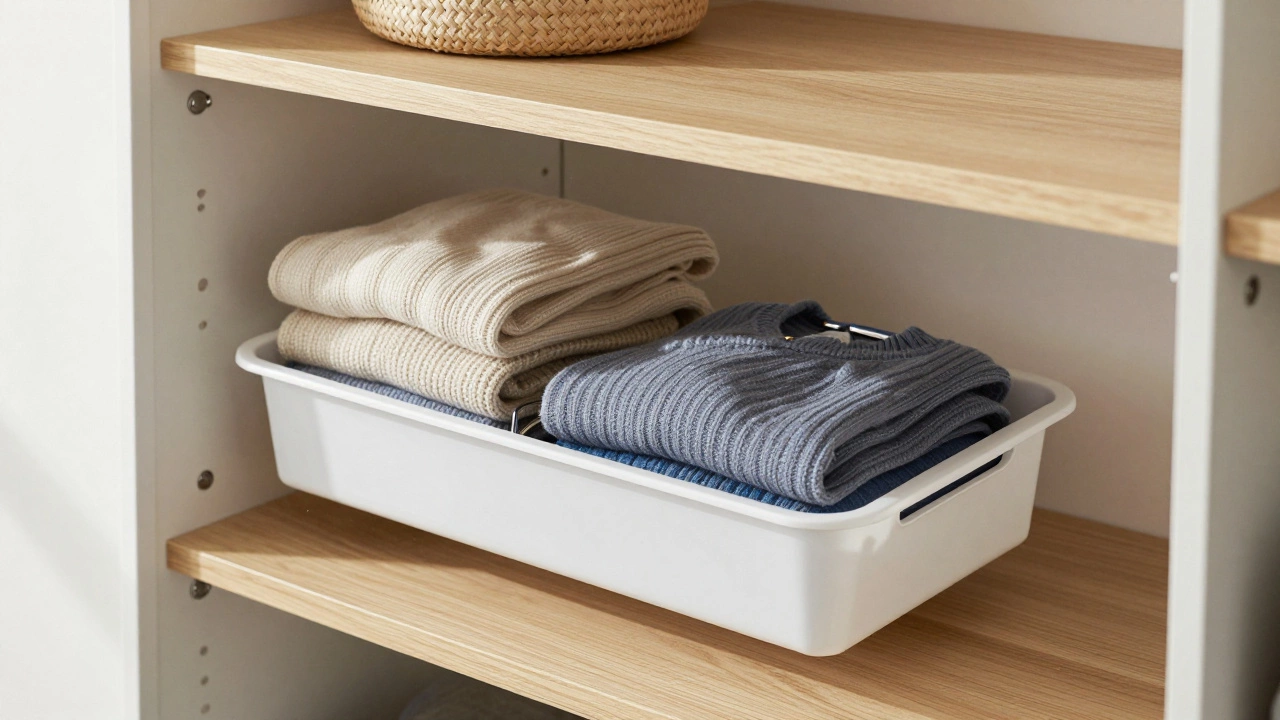
Instead of lining the whole shelf, use shallow plastic bins or trays. You can buy them in various sizes at container stores or repurpose old Tupperware. They keep items contained, make cleaning easier, and let you move entire sections around.Great for spice racks, canned goods, or craft supplies. You can label them. You can stack them. You can take them out to wash. No more digging through clutter. This isn’t a liner-it’s a system upgrade.
10. Nothing at All (Best for Minimalists)
Let’s be honest: sometimes the best solution is no liner at all. Many modern cabinets are made of durable materials like plywood with a protective finish. If your shelves are clean, dry, and you don’t store wet or sticky items, you might not need anything.Wipe them down monthly with a damp cloth. Use baskets or bins to group items. You’ll save money, reduce waste, and your shelves will look sleek and intentional. It’s not about covering up-it’s about organizing smart.
How to Choose the Right Alternative
Not every option works for every shelf. Here’s a quick guide:- For glass or delicate items: Felt or silicone mats
- For wet or humid areas: Cork or rubber mats
- For display shelves: Removable wallpaper or wood slats
- For heavy tools or pots: Rubber or wooden slats
- For temporary or seasonal use: Parchment paper or fabric
- For maximum organization: Plastic trays
- For zero waste: Nothing at all
What Not to Use
Some common “hacks” don’t work:- Aluminum foil: Tears easily, looks messy, and can leave residue
- Plastic wrap: Melts with heat, sticks to everything, and creates waste
- Cardboard: Absorbs moisture, attracts bugs, and falls apart
- Old rugs: Shed fibers, trap dust, and are hard to clean
These might seem like quick fixes, but they cause more problems than they solve.
Real-Life Example: A Pantry Makeover
Last spring, a user named Maria replaced her vinyl shelf liner with a mix of cork tiles and wooden slats. Her pantry had sticky residue, mold spots, and items sliding around. After switching:- Mold disappeared because cork doesn’t trap moisture
- Her jars stopped rolling because wood slats held them in place
- She spent $25 total-less than one roll of liner
- Her pantry now looks like a design magazine spread
She didn’t buy another liner in 18 months.
Can I use regular contact paper as shelf liner?
Regular contact paper isn’t designed for shelves. It’s thin, prone to bubbling, and doesn’t handle moisture well. It’ll peel quickly, especially in kitchens or bathrooms. If you must use it, choose a heavy-duty version and seal the edges with clear tape-but even then, it’s not a long-term solution.
Are shelf liners necessary?
No, they’re not necessary. Many people use them out of habit, not need. If your shelves are clean, dry, and made of durable material, you can skip them entirely. The real goal is to protect your surfaces and keep items organized-not to cover them up.
What’s the most durable shelf liner alternative?
Wooden slats and rubber mats are the most durable. Wood resists moisture when sealed, and rubber won’t degrade over time. Both can last 5-10 years with minimal care. Felt and cork are good too but may need replacing every 2-3 years in high-use areas.
Can I use a shower curtain as shelf liner?
Not recommended. Shower curtains are made of vinyl or PVC, which can off-gas chemicals over time and become brittle. They’re also slippery and hard to cut cleanly. Plus, they look out of place on shelves. Stick to materials designed for storage.
How do I clean shelf alternatives?
Felt and fabric: spot clean or wash gently. Cork and rubber: wipe with mild soap and water. Wood: use a damp cloth and dry immediately. Silicone mats: dishwasher safe. Removable wallpaper: wipe with a slightly damp sponge. Always avoid harsh chemicals or scrubbing pads that can damage surfaces.