Cutlery: What It Is, Why It Matters, and How It Connects to Everyday Life
When you pick up a cutlery, a set of eating utensils like forks, knives, and spoons used at the table. Also known as dining utensils, it's one of the most basic yet overlooked tools in every home. You’re not just holding metal or plastic—you’re holding centuries of design, manufacturing, and cultural habits packed into a single spoon or fork. Cutlery doesn’t just serve food; it reflects how we live, what we value, and where things are made.
Most cutlery today comes from industrial hubs in India, China, and Southeast Asia, where factories turn stainless steel, plastic, and even bamboo into everyday tools. In India, states like Gujarat and Tamil Nadu have grown into major centers for metal fabrication, producing everything from basic tableware to high-end kitchen sets. These aren’t just cheap imports—they’re precision-made items built to last, often using the same machinery that produces medical tools or automotive parts. The difference? One goes on your plate, the other into a hospital. Both need the same clean, consistent quality.
What you don’t see is how much goes into making a single knife sharp enough to slice bread but not so heavy it tires your hand. It’s not just about the metal—it’s about the balance, the grip, the edge angle, and how it feels after ten uses versus a hundred. That’s why brands that focus on durability and comfort, like those rooted in Indian manufacturing, are gaining trust. You’ll find cutlery made with the same care as textiles in Coimbatore or chemicals in Gujarat—same factories, same standards, just different end products.
And it’s not just about eating. Cutlery shows up in places you wouldn’t expect: food processing plants use specialized utensils to handle ingredients safely, hospitals rely on sterile versions, and even eco-conscious homes are switching to reusable bamboo or recycled stainless steel to cut down on plastic waste. The rise of sustainable manufacturing means cutlery is no longer a disposable item—it’s becoming part of a larger shift toward thoughtful consumption.
Below, you’ll find real stories and facts about how everyday objects like cutlery are made, used, and changed by the world around them. Some posts dig into manufacturing trends. Others show how small choices—like picking a heavier fork or avoiding plastic spoons—add up. There’s no fluff here. Just clear, practical insights from people who’ve seen how things are built, used, and sometimes, thrown away.
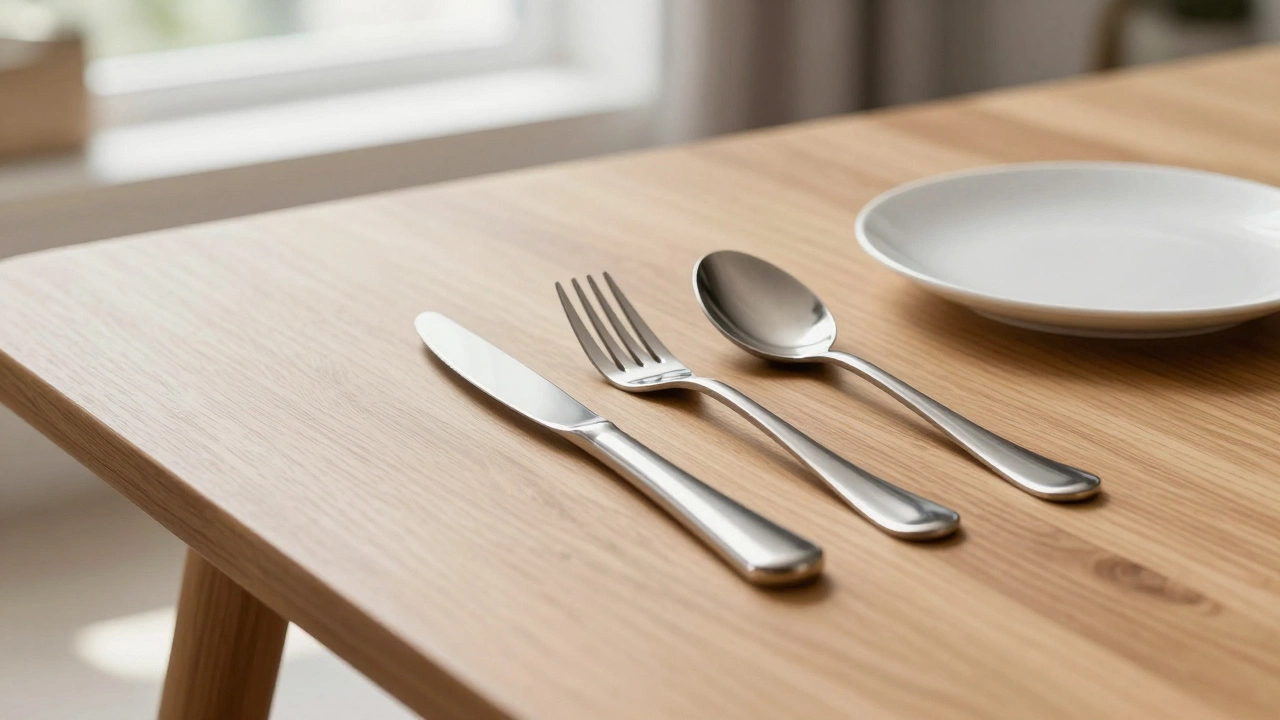
What Is the Generic Term for Dining Utensils?
The correct generic term for dining utensils like knives, forks, and spoons is cutlery. Learn why terms like silverware and flatware are misleading, and how to choose the right set for your home.
View More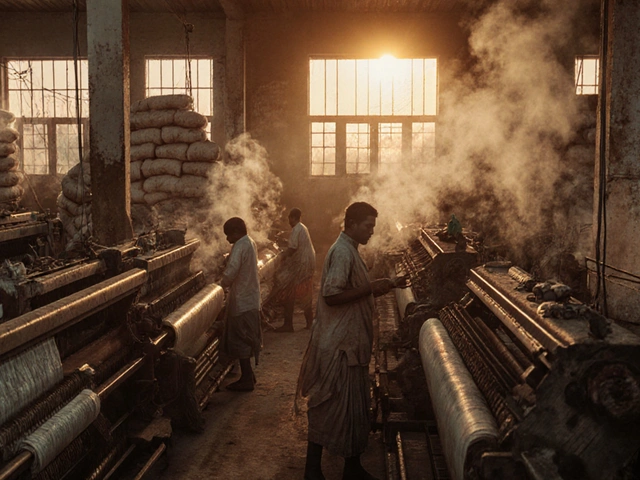


Mar 7 2025
Dec 25 2024