Diesel Engine Ban: What It Means for India’s Manufacturing and Daily Life
When we talk about the diesel engine ban, a policy shift restricting or phasing out diesel-powered engines in vehicles and machinery. Also known as diesel phase-out, it’s not just about cars—it’s hitting factories, generators, and farm equipment too. This isn’t some far-off idea. India is already moving fast, especially in cities like Delhi and Mumbai, where air quality rules are tightening. The goal? Cut smog, reduce lung disease, and push cleaner tech. But what does that actually mean for the people making things—like the tissue products we use every day?
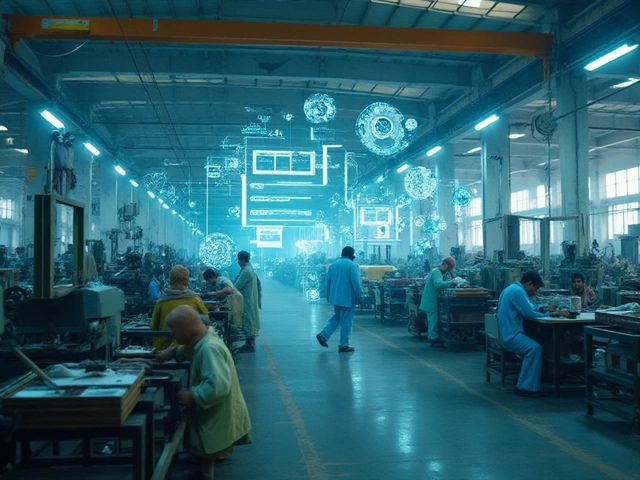
The industrial engines, diesel-powered machines used in manufacturing, logistics, and power generation are a big part of this. Many small and medium factories still rely on diesel generators because the grid is unreliable. Diesel trucks move raw materials—cotton, paper pulp, chemicals—from Gujarat’s chemical hubs to textile mills in Maharashtra. If those engines get banned or taxed heavily, where do you turn? Electric? Hybrid? Solar? The shift isn’t simple. It costs money. It needs training. It needs new suppliers. And right now, India’s manufacturing sector is still figuring out how to make that leap without breaking the bank.
Meanwhile, the vehicle emissions, pollutants released by engines, especially nitrogen oxides and particulate matter from diesel vehicles are a major reason for this push. Studies show diesel exhaust contributes more to urban air pollution than gasoline. In places like Ahmedabad and Vadodara, where chemical plants and transport hubs overlap, the health costs are real. Hospitals see more asthma cases. Kids miss school. Workers lose days. That’s why cities are testing no-diesel zones. Why some states are offering subsidies for electric trucks. Why even small manufacturers are starting to ask: "Can we run our operations without diesel?"
You’ll find posts here that don’t mention diesel directly—but they’re all connected. The diesel engine ban is changing how things are made, moved, and powered in India. It’s pushing innovation in manufacturing startups, forcing better energy choices, and reshaping supply chains. The articles below cover what’s next: from low-cost manufacturing that adapts to new rules, to how Gujarat’s chemical industry is adjusting, to how everyday products like tissues rely on stable power—and what happens when that power source disappears.
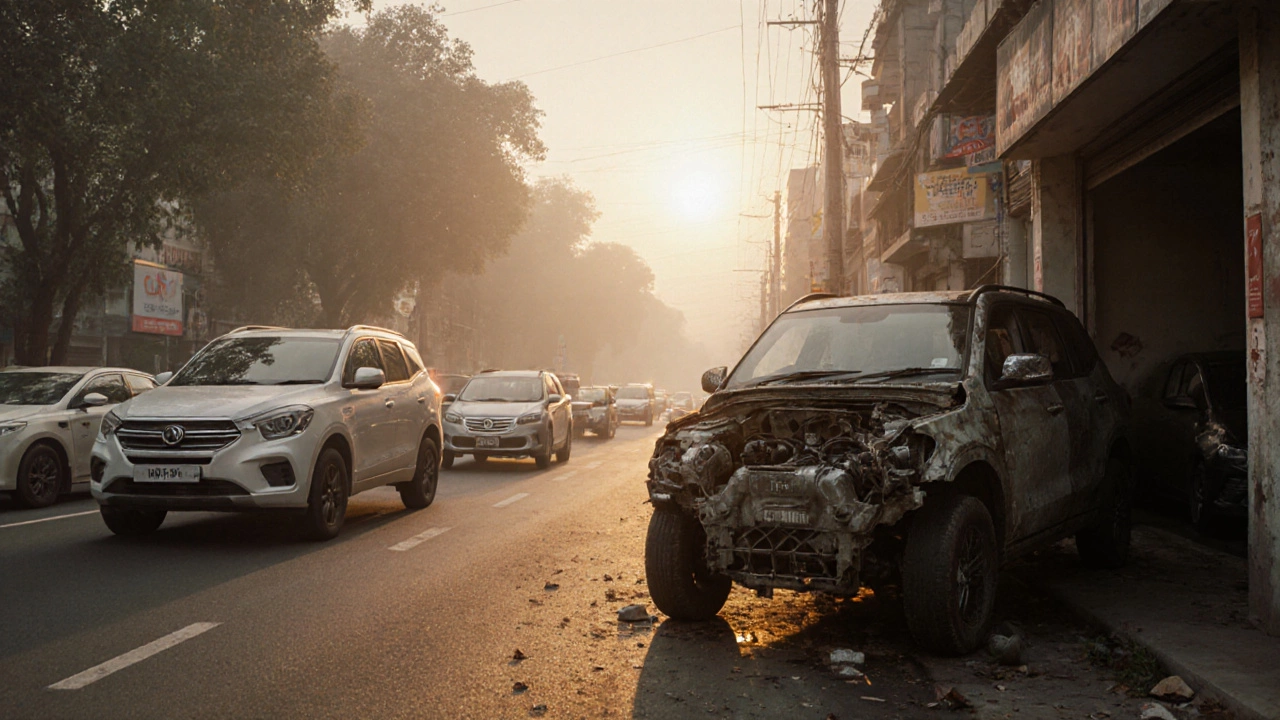
Which Engine Is Banned in India? Understanding the 2025 Emission Rules
India bans all non-BS6 engines from new sales since 2020. Learn which engines are affected, why the ban happened, and what it means for car buyers today.
View More

Mar 22 2025