DIY Shelf Lining: Simple Ways to Protect and Style Your Shelves
When you think of DIY shelf lining, a simple, low-cost method to protect and upgrade the surfaces inside cabinets, bookshelves, and drawers. It’s not just about looks—it’s about stopping scratches, catching spills, and making cleaning easier. Most people skip it because they think it’s too much work or too expensive. But the truth? A roll of contact paper or a cut-to-size piece of felt can turn a worn-out shelf into something that looks brand new—with zero tools needed.
Shelf lining materials, the actual products used to cover shelf surfaces. Also known as cabinet liners, they come in rolls, sheets, or even adhesive-backed fabric. You’ve probably seen them in kitchen cabinets—patterned paper that hides dust and keeps glassware from sliding. But they’re not just for kitchens. Use them in linen closets to stop towels from slipping, in home offices to protect desks from pens and notebooks, or in pantries to catch crumbs and spills. The best part? Most of these materials cost less than $10 and last for years. You don’t need to buy fancy vinyl or branded liners. Even old wrapping paper, newspaper with a coat of Mod Podge, or cut-up bath mats can work. People who try this once usually do it everywhere—because once you see how much cleaner and neater your shelves look, you won’t want to go back.
What makes homemade shelf liners, custom solutions made from everyday household items. Also known as DIY shelf protection, they’re the go-to for renters, budget shoppers, and anyone who hates wasting money is how flexible they are. Need something washable? Try a silicone baking mat cut to size. Want texture to keep bottles from rolling? Use cork tiles. Looking for a vintage look? Old maps or sheet music glued down with decoupage medium look amazing and add personality. These aren’t just fixes—they’re upgrades. And they’re all reversible, so if you move, you can peel them off without damaging the shelf.
And here’s the thing most people miss: shelf lining isn’t just about protection. It’s about control. When your shelves are lined, you know exactly where things go. Items don’t slide. Dust doesn’t cling as badly. Cleaning takes seconds instead of minutes. It’s the kind of small change that makes daily life smoother—without costing a lot or requiring any skill. You don’t need to be a carpenter or a designer. Just grab something flat, stick it on, and walk away happier.
Below, you’ll find real examples from real homes—how people used paper, fabric, rubber, and even repurposed materials to solve shelf problems they didn’t even know they had. Some used it for storage. Others did it for style. A few did it just because they were tired of cleaning up spilled powder or sticky jars. All of them saved time, money, and frustration. Whether you’re lining a bookshelf, a medicine cabinet, or a closet drawer, there’s a method here that fits your space, your budget, and your life.
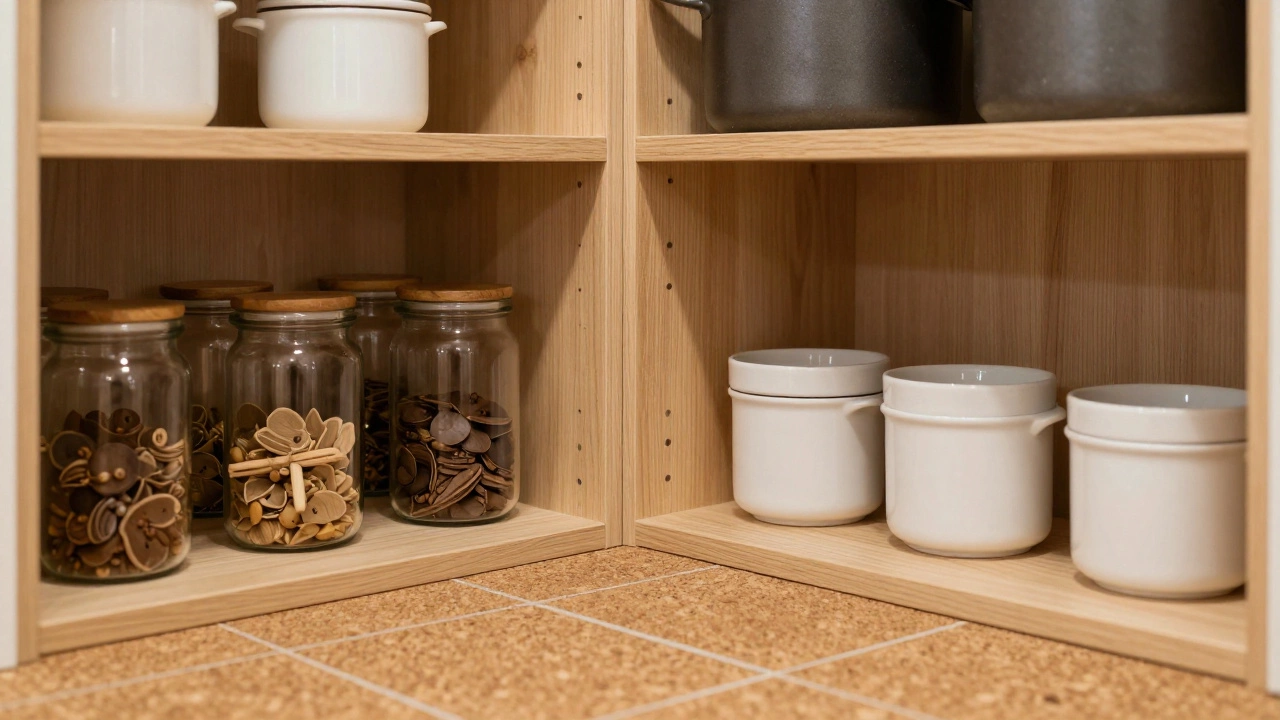
What Can I Use Instead of Shelf Liner? 10 Practical Alternatives
Discover 10 practical, affordable, and durable alternatives to shelf liner that actually work better-no sticky vinyl required. From cork to wood slats, find the right solution for your kitchen, pantry, or closet.
View More