Drug Production India: How India Became a Global Pharma Powerhouse
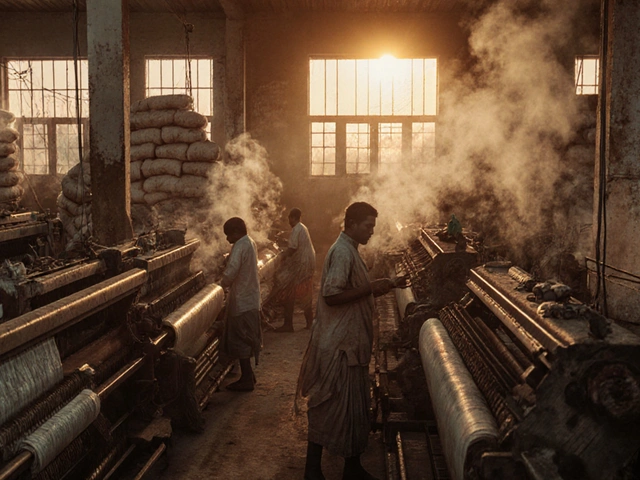
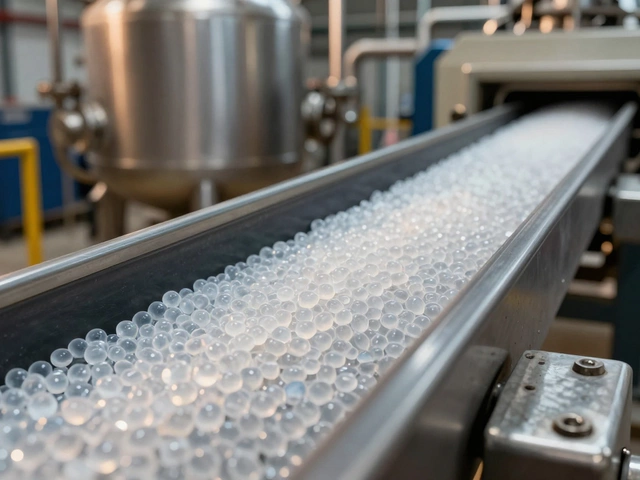
When you think of drug production India, the large-scale manufacturing of generic medicines and active pharmaceutical ingredients in India. Also known as pharmaceutical manufacturing India, it’s the backbone of affordable healthcare across Africa, Latin America, and even the U.S. India doesn’t just make pills—it makes the world’s medicine cabinet. Over 60% of the generic drugs used in the U.S. come from Indian factories. That’s not luck. It’s decades of focused investment in chemistry, regulation, and scale.
At the heart of this are chemical industry India, the network of plants producing raw materials like APIs and intermediates that go into every tablet and injection. Cities like Vadodara, Ankleshwar, and Hyderabad aren’t just industrial zones—they’re global supply hubs. These places don’t just follow global standards; they often set them. Indian labs replicate complex drug formulas with precision, then produce them at a fraction of the cost. And it’s not just big companies. Thousands of small and medium manufacturers contribute, making the ecosystem resilient and flexible.
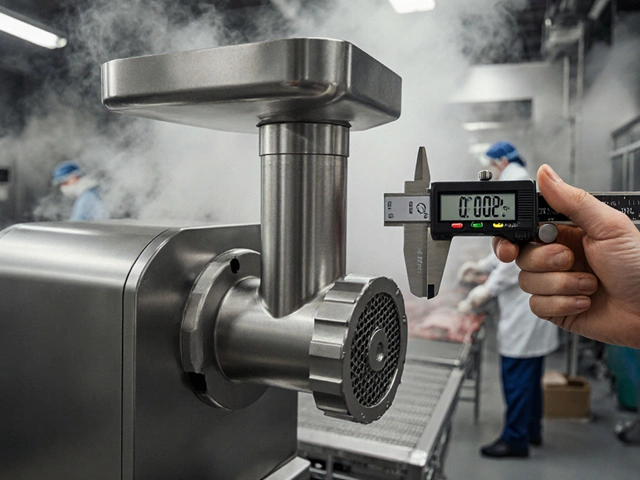
generic drugs India, low-cost versions of brand-name medicines approved by global regulators like the FDA and WHO. are what make India indispensable. A course of antibiotics that costs $100 in the U.S. might cost $5 in India. A cancer drug that takes years to develop elsewhere is replicated and made available in months. This isn’t copying—it’s innovation in accessibility. India’s drug production system is built for speed, efficiency, and volume. It doesn’t need flashy marketing. It needs clean labs, trained chemists, and strict quality control—and India has all three.
What’s often missed is how deeply tied this is to pharma export India, the movement of medicines from Indian factories to patients around the world. India doesn’t just sell pills—it sells hope. During the pandemic, it shipped billions of vaccine doses globally. When a country faces a shortage, they don’t call the U.S. or Germany first—they call India. That’s because Indian manufacturers can pivot fast, scale up overnight, and still keep prices low.
Below, you’ll find real insights from posts that dig into the machines, chemicals, and policies behind this system. You’ll learn about the industrial hubs, the key chemicals driving production, and how India competes on a global stage—not by spending more, but by doing more with less.
What Is the Future of Pharmacy in India? Trends, Challenges, and Opportunities
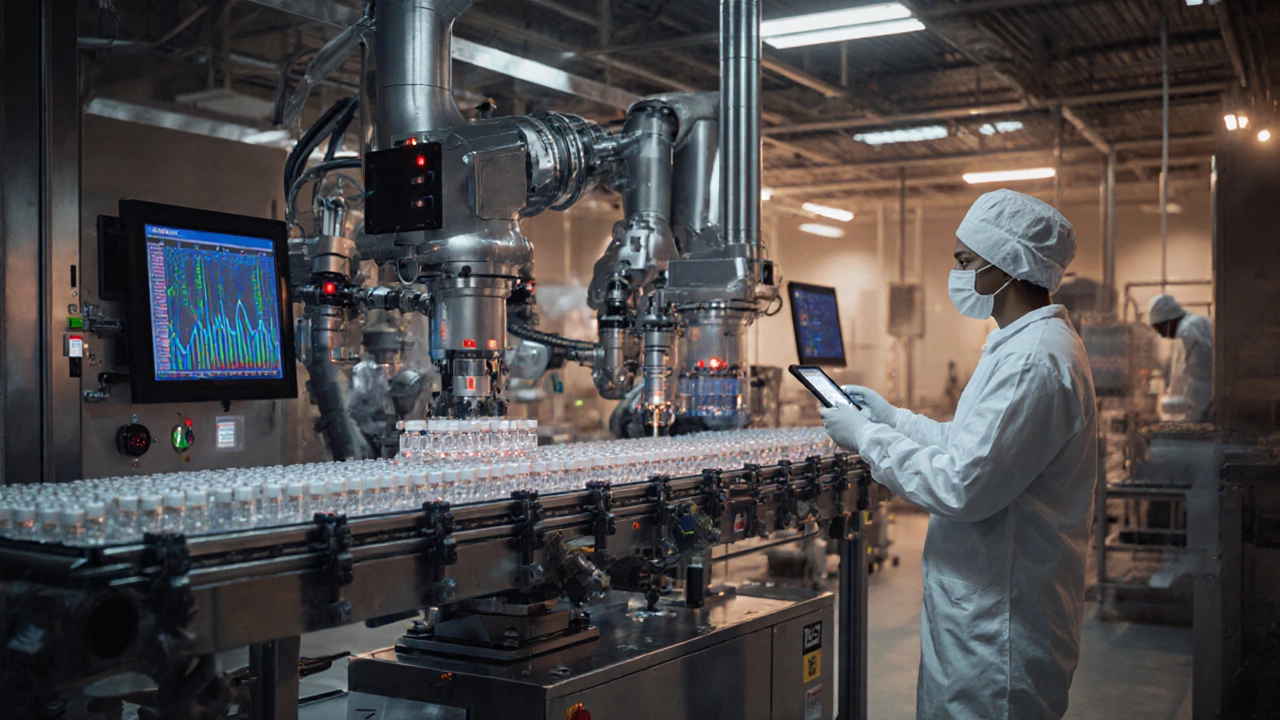
India's pharmacy future is shifting from cheap generics to high-value drugs, AI-driven manufacturing, and global trust. Learn how policy, tech, and talent are reshaping the world's largest generic drug supplier.
View More