Emission Norms India: What They Mean for Manufacturing and Your Home
When we talk about emission norms India, official rules that limit how much pollution factories and vehicles can release into the air. These rules aren’t just paperwork—they’re reshaping how things like tissues, chemicals, and home goods are made across the country. If you’ve ever wondered why Indian-made products feel different now, or why some factories are moving out of cities, the answer starts with these norms.
Industrial emissions, the gases and particles released during manufacturing used to fly under the radar. But now, with stricter rules from the Central Pollution Control Board, factories producing everything from chemicals to textiles must cut smoke, fumes, and waste gases. That’s why Gujarat’s chemical hubs—like Vadodara and Hazira—are upgrading equipment, not shutting down. It’s not about stopping production; it’s about making it cleaner. And that shift ripples into your home. Tissues, towels, and even packaging materials now come from factories that have to meet these standards. No more burning coal to dry fabrics. No more open-air chemical vents. The air you breathe at home is cleaner because of it.
These norms also push innovation. Companies that used to cut corners now invest in filters, recycling systems, and low-emission machinery. That’s why small manufacturing startups in India are choosing eco-friendly tools from day one. It’s not just about compliance—it’s about staying competitive. The same factories making your tissue rolls today are the ones that survived because they adapted. And that’s good news for you. Cleaner production means fewer toxins in your home, less plastic waste from packaging, and products made with more care.
You’ll find posts here that dig into how these rules connect to real things: the chemical plants in Gujarat, the textile mills in Mumbai, the small factories making silicone mats or candles for under $1,000. You’ll see how emission norms tie into India’s rise as a global pharma leader, how they affect the cost of furniture making, and why plastic exporters are being forced to rethink their models. This isn’t about government reports—it’s about what’s happening on the ground, in the factories, and in the air you breathe every day.
What you’ll find below isn’t just a list of articles. It’s a map of how India’s manufacturing heart is changing—quietly, steadily, and for the better. Whether you’re curious about the chemicals driving the economy, the fabrics woven in Gujarat, or how a tiny measurement like 0.1 inch affects food safety, these posts show you the real impact of emission norms. No fluff. No jargon. Just clear connections between the rules, the factories, and the products you use.
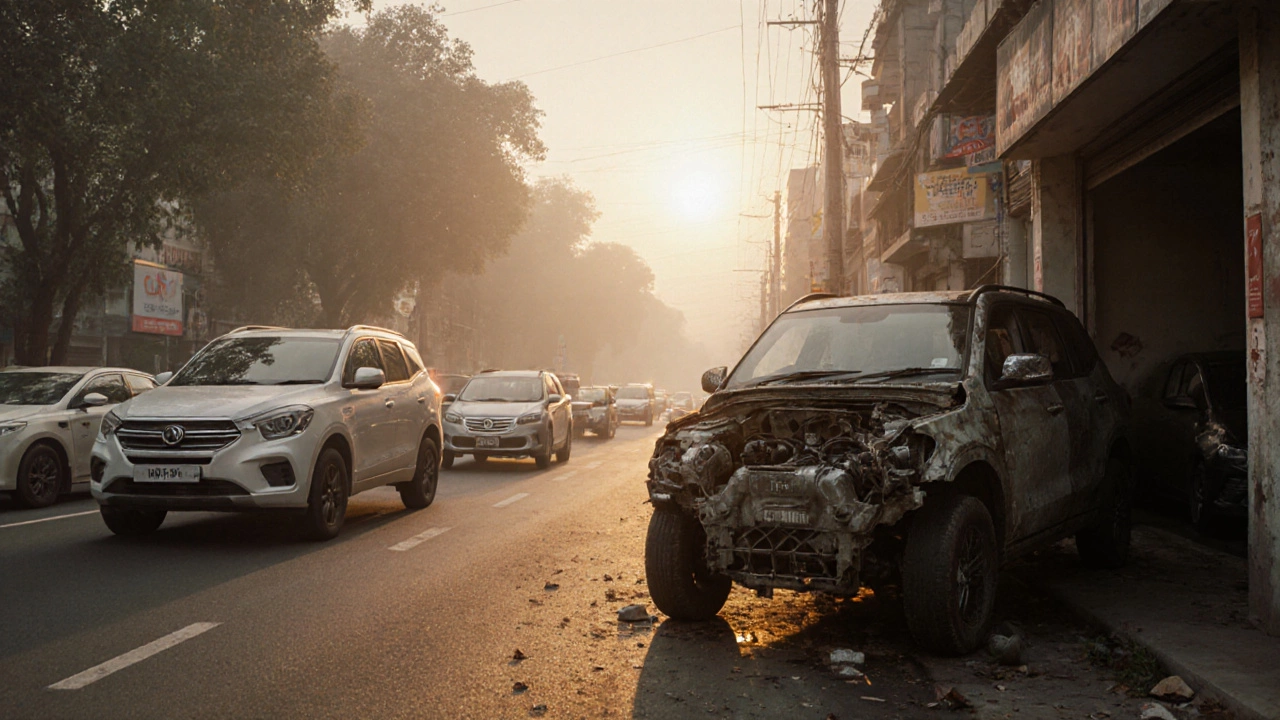
Which Engine Is Banned in India? Understanding the 2025 Emission Rules
India bans all non-BS6 engines from new sales since 2020. Learn which engines are affected, why the ban happened, and what it means for car buyers today.
View More
Feb 15 2025