Global Steel Competition: Who Leads, Who Lags, and What It Means for Indian Manufacturing
When we talk about global steel competition, the intense race between nations to produce, innovate, and export steel at scale and efficiency. Also known as international steel markets, it’s not just about tons of metal—it’s about jobs, technology, energy use, and national economic power. Countries like China, India, Japan, and the U.S. are locked in a battle where the winner isn’t just the one making the most steel, but the one doing it cheapest, cleanest, and smartest.
China still dominates, producing nearly half the world’s steel. But its growth is slowing, and environmental rules are forcing factories to upgrade—or shut down. Meanwhile, India is stepping up. With low labor costs, growing domestic demand, and government push for self-reliance, Indian steel mills are expanding fast. Companies like Tata Steel and JSW are investing in automation, green hydrogen, and recycling tech to compete globally. This isn’t just about big factories—it’s about the screws in your furniture, the pipes in your home, and even the packaging for the tissues you use every day. Steel is everywhere, and who makes it matters.
Then there’s the steel production, the process of turning iron ore and scrap into usable metal through blast furnaces or electric arc mills. Also known as steel manufacturing, it’s changing. Older methods that burned coal are being replaced by electric furnaces powered by renewables. Countries with access to cheap solar or wind power—like India—are gaining an edge. And it’s not just about output. Quality, consistency, and traceability matter now. Buyers want to know where the steel came from, how it was made, and what its carbon footprint is. That’s why Indian exporters are starting to match global standards, not just chase volume.
The international steel markets, the network of buyers, sellers, tariffs, and trade deals that move steel across borders. Also known as global steel competition, are more volatile than ever. Trade wars, sanctions, and supply chain disruptions have made it risky to rely on one source. That’s why more U.S. and European brands are turning to India—not just for cost, but for reliability. When a U.S. appliance maker needs 500 tons of coated steel for refrigerators, they’re looking at Gujarat, not just Shanghai.
What does this mean for you? If you’re buying home goods made in India—like tissue boxes, storage bins, or even bathroom fixtures—you’re already using products wrapped in this steel story. The quality of those items depends on the steel they’re made from. And as India climbs the global steel ladder, those products get better, cheaper, and more sustainable. You’re not just buying a tissue box—you’re supporting a manufacturing revolution.
Below, you’ll find real-world examples of how this competition plays out—not in boardrooms, but in factories, shipping ports, and everyday products. From how much steel goes into a single roll of tissue packaging to why Indian mills are beating European ones on price and speed, these posts break it down without the jargon. No fluff. Just facts you can use.
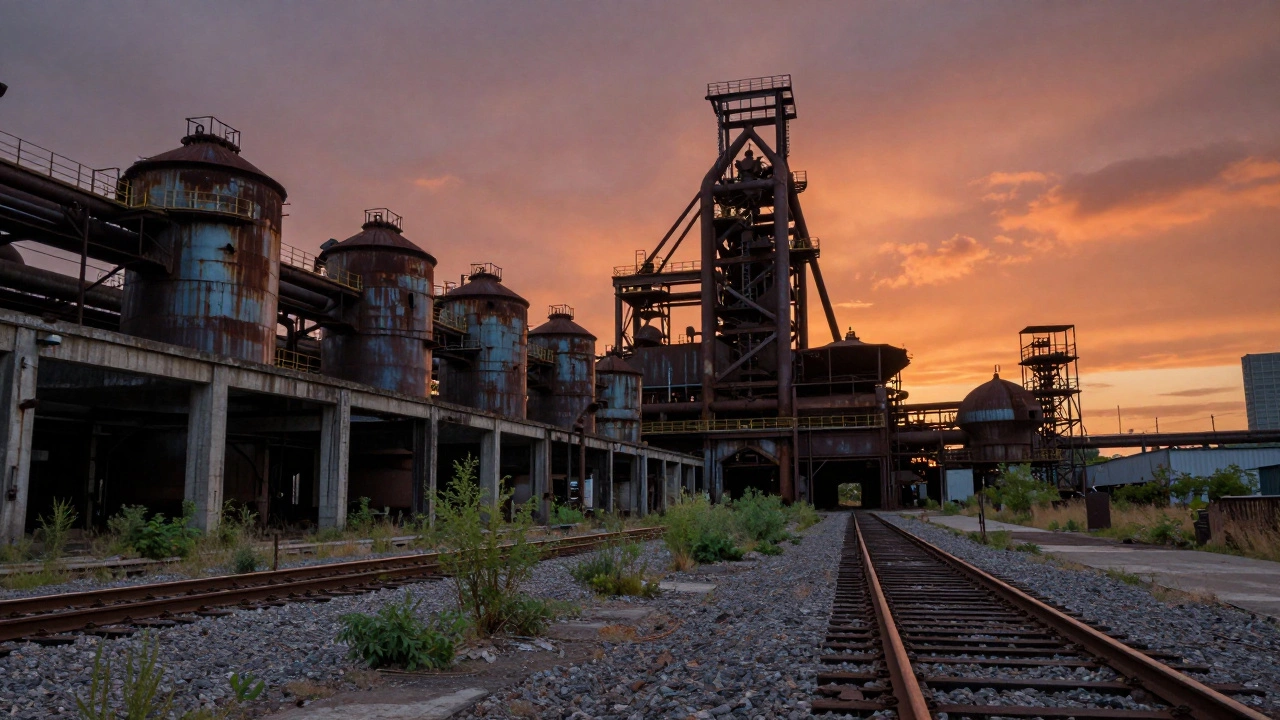
Why Doesn't the US Make Steel Anymore?
The U.S. used to be the world’s top steel producer. Now, most steel is imported. Here’s why American steel mills closed, how foreign competition and outdated tech killed the industry, and whether it can ever come back.
View More

Feb 12 2025