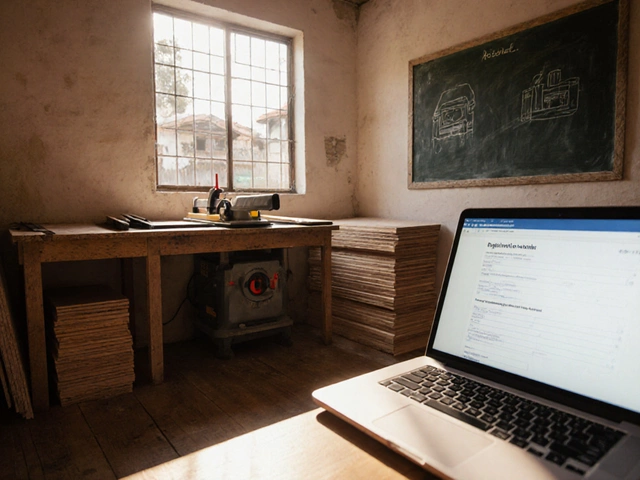
Home-Based Manufacturing: Small-Scale Production That’s Changing India
When you think of manufacturing, you picture big factories, smokestacks, and assembly lines. But home-based manufacturing, a system where products are made in homes or small local workshops rather than large industrial plants. Also known as cottage industry, it’s one of the most powerful yet overlooked forces in India’s economy. It’s not just about making things—it’s about keeping skills alive, creating jobs without needing land or loans, and letting people build businesses from their kitchens, backyards, or garages.
Think about the weaver in Gujarat making Bandhani fabric on a loom in her living room. Or the family in Tamil Nadu hand-pouring soaps in their backyard shed. Or the small workshop in Uttar Pradesh assembling tissue packaging machines using parts bought from local suppliers. These aren’t exceptions—they’re the backbone of India’s production network. Small-scale manufacturing, production that uses limited machinery, fewer workers, and lower capital investment than large factories. It’s flexible, fast, and deeply connected to local needs. And it’s not just about textiles or crafts. You’ll find home-based producers making chemicals, packaging, furniture parts, and even components for bigger brands. Local production, making goods close to where they’re used, reducing transport costs and waste. This isn’t nostalgia—it’s smart economics.
What makes home-based manufacturing so strong in India? It doesn’t need big permits or heavy investment. A single person with a sewing machine, a mold, or a printing press can start. Many of these makers supply larger companies without ever being on their radar. They’re the hidden layer between raw materials and finished goods. You’ll find them in the supply chains of everything from tissue packs to kitchenware. And because they’re local, they adapt fast. If demand shifts, they change their product. If a new material becomes cheaper, they switch overnight. No corporate meetings. No delays. Just real people solving real problems.
What you’ll find in this collection isn’t just theory. It’s real examples of how Indian makers are turning small spaces into powerful production hubs. From the chemical workshops in Gujarat to the handloom clusters in Mumbai, these stories show how home-based manufacturing isn’t just surviving—it’s leading. You’ll learn what tools they use, what materials they trust, and how they compete with giants. No fluff. No hype. Just the facts from the people doing the work.
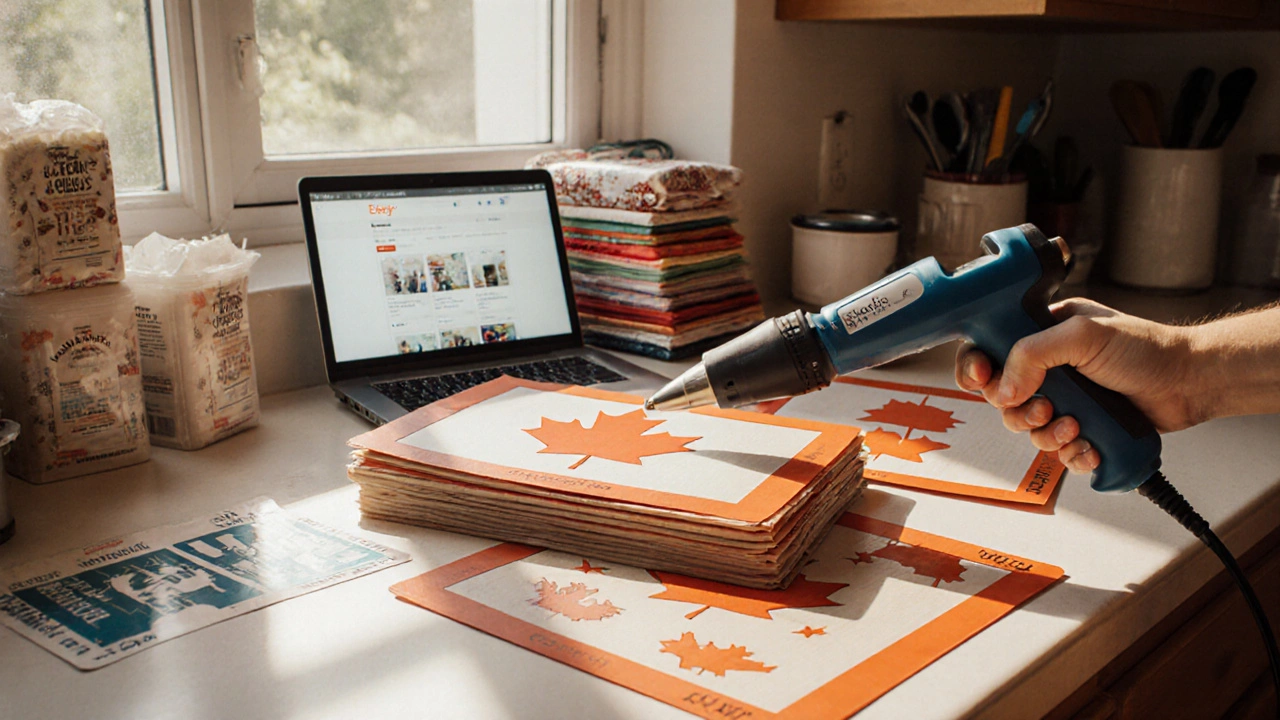
Best Business to Start with $1000 in 2025 (Manufacturing Ideas That Work)
Discover 5 proven manufacturing businesses you can start with just $1,000 in 2025-no factory needed. From silicone mats to hand-poured candles, learn how to turn small investments into real income.
View More

Jun 22 2025