Indian Pharma Company Comparison Tool
Compare India's Top Pharma Companies
Select companies to compare their key metrics based on 2025 data.
Comparison Results
| Metric | Sun Pharma | Cipla | Dr. Reddy's | Lupin | Aurobindo |
|---|
When people ask which is India's No 1 pharma company, they're not just looking for a name. They want to know who leads in sales, who delivers the most medicines globally, who invests the most in research, and who actually moves the needle for patients worldwide. The answer isn't simple, because "top" can mean different things - revenue, volume, innovation, or global footprint. But based on the latest data from 2025, one company stands clearly ahead in overall scale and influence: Sun Pharmaceutical Industries.
Sun Pharma leads in revenue and market cap
In 2024, Sun Pharma reported annual revenues of over $7.2 billion USD, making it the largest pharmaceutical company in India by sales. That’s more than double the revenue of its closest domestic rival, Dr. Reddy’s Laboratories, which came in at around $3.1 billion. Sun Pharma’s market capitalization also sits above ₹2.8 trillion (roughly $33 billion USD), far ahead of Cipla and Lupin. This isn’t just about size - it’s about sustained growth. Sun Pharma has grown at an average rate of 12% annually over the last five years, even through global supply chain disruptions and pricing pressures.
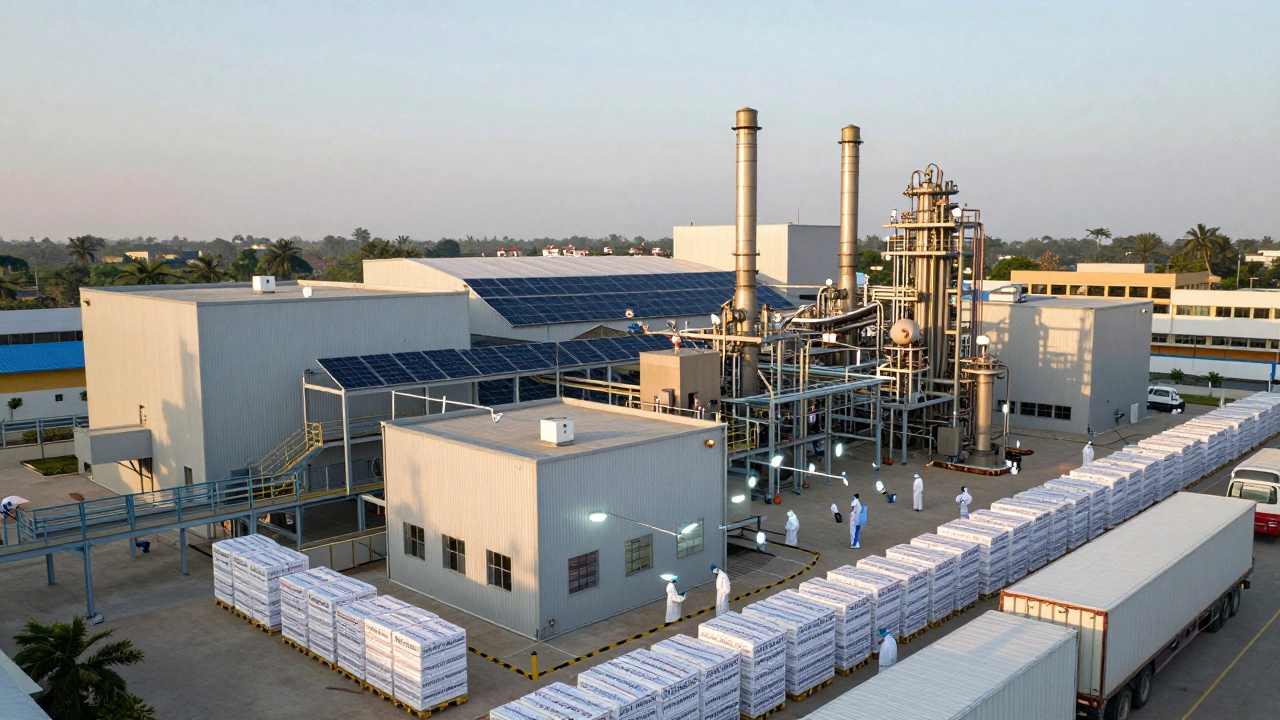
Its dominance isn’t accidental. Sun Pharma owns over 100 manufacturing facilities across six continents, including 18 in India and 14 in the U.S. These plants are FDA-approved, meaning Sun Pharma doesn’t just make drugs for India - it makes the generic versions of top-selling American medications like Lipitor, Eliquis, and Humira. That gives it direct access to the world’s largest pharmaceutical market.
Global reach: Sun Pharma’s footprint
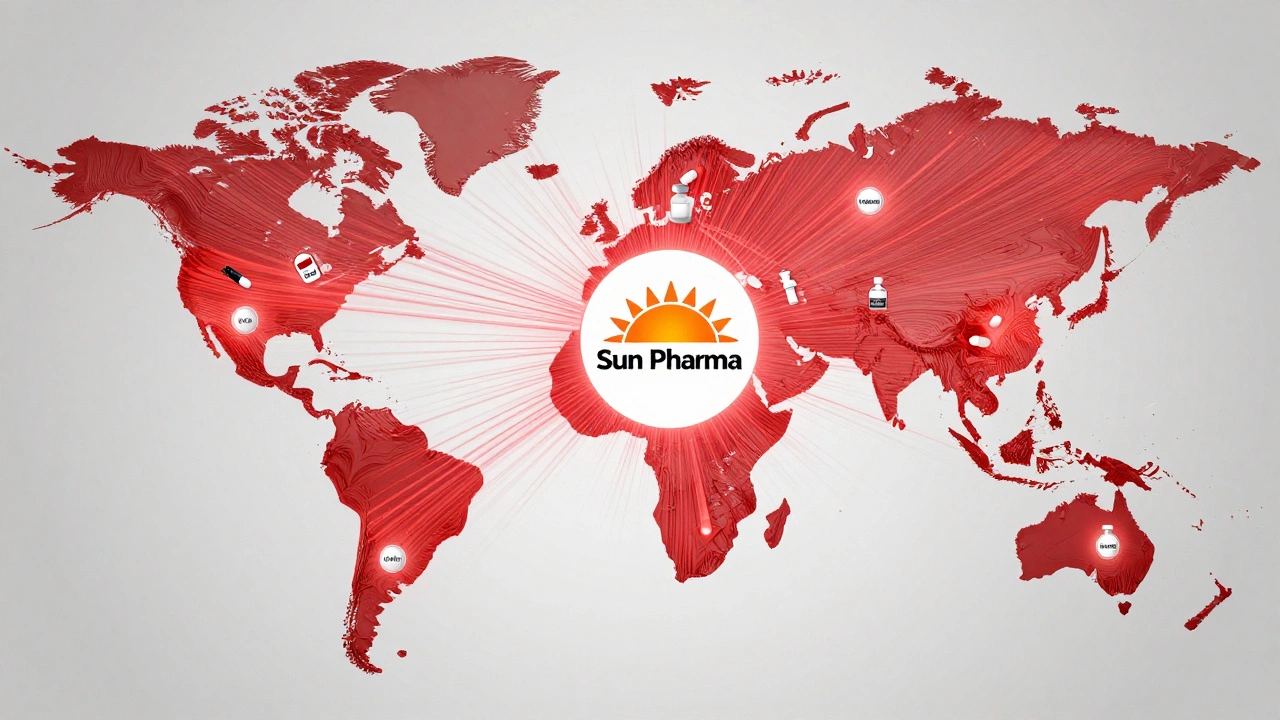
While other Indian pharma companies focus on emerging markets or niche therapeutic areas, Sun Pharma operates everywhere. It sells medicines in over 100 countries. In the U.S., it’s the #1 seller of generic dermatology products. In Europe, it’s among the top five generic drug suppliers. In Latin America and Africa, it supplies affordable treatments for HIV, tuberculosis, and diabetes.
Its acquisition strategy has been key. Sun Pharma bought out US-based Taro Pharma in 2018 for $4.3 billion - a move that gave it instant access to North American distribution networks and a portfolio of branded dermatology drugs. It also acquired the oncology business of Barr Pharmaceuticals and the specialty pharma unit of Ranbaxy. These weren’t just purchases - they were strategic expansions into high-margin, high-demand areas.
Innovation: More than just generics
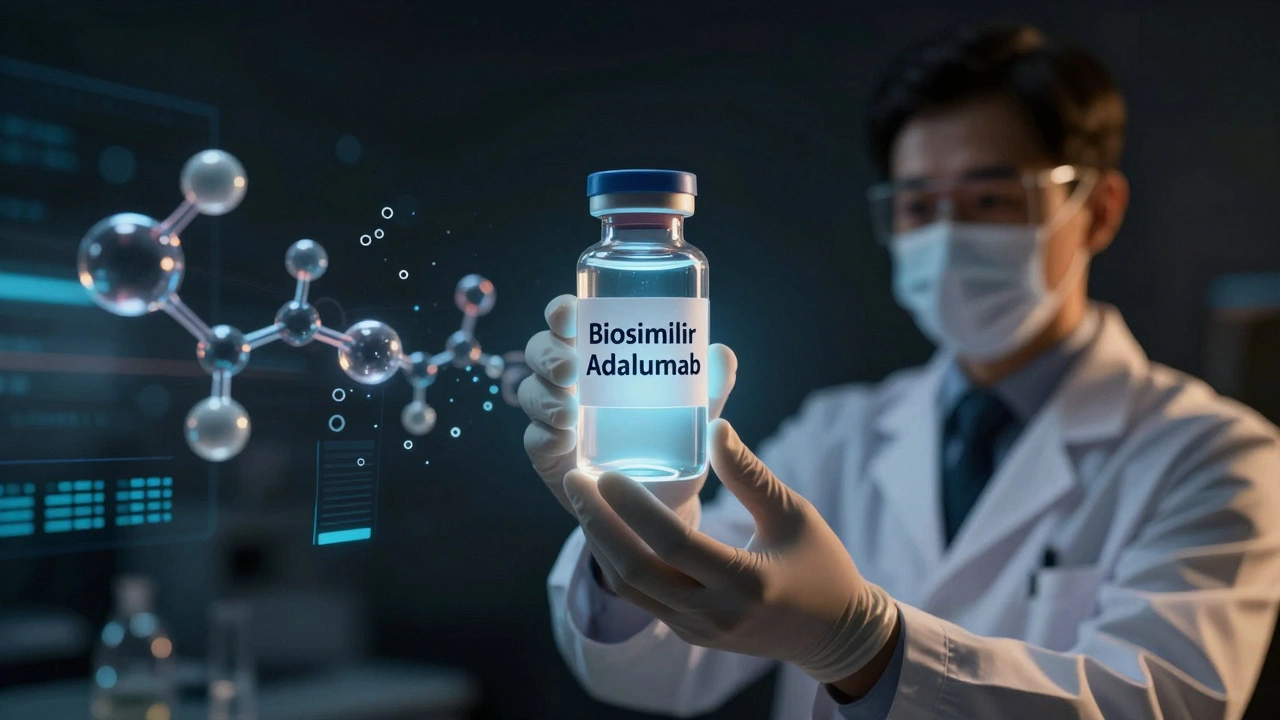
Many assume Indian pharma companies only make generics. That’s outdated. Sun Pharma spends over $400 million annually on R&D - more than any other Indian pharma firm. It has over 1,200 scientists working on new formulations, complex generics, and biosimilars. In 2024, it launched 15 new products globally, including a biosimilar to Humira (adalimumab) that’s priced 40% lower than the original - and already used by over 200,000 patients in the U.S. and EU.
It’s also investing in targeted cancer therapies. Its pipeline includes 12 novel molecules in clinical trials, two of which are in Phase III. One, a drug for non-small cell lung cancer, showed a 32% improvement in progression-free survival in early trials. That’s not the kind of innovation you get from copying patents - that’s real drug development.
How Sun Pharma compares to other Indian giants
Let’s be clear: Cipla, Dr. Reddy’s, and Lupin are all massive companies with deep strengths. But none match Sun Pharma’s combination of scale, global presence, and R&D investment.
| Company | Annual Revenue (USD) | Global Presence | R&D Spend | US FDA Facilities | Key Strength |
|---|---|---|---|---|---|
| Sun Pharmaceutical | $7.2 billion | 100+ countries | $400 million | 18 | Global scale, dermatology, biosimilars |
| Cipla | $4.1 billion | 80+ countries | $280 million | 12 | Respiratory, HIV, affordability |
| Dr. Reddy’s | $3.1 billion | 70+ countries | $220 million | 11 | Complex generics, oncology |
| Lupin | $2.9 billion | 65+ countries | $190 million | 10 | Cardio, CNS, U.S. generics |
| Aurobindo Pharma | $2.6 billion | 60+ countries | $170 million | 13 | Antibiotics, API manufacturing |
Cipla is a powerhouse in respiratory and HIV drugs - especially in low-income countries. Dr. Reddy’s leads in complex generics and has a strong oncology pipeline. Lupin has deep ties to the U.S. market. But none of them have Sun Pharma’s breadth. Sun Pharma doesn’t just sell pills - it controls the entire chain: from active pharmaceutical ingredients (APIs) to finished dosage forms to global distribution.
Why size matters in pharma
In pharma, bigger isn’t always better - but in India’s context, scale is survival. The global generic drug market is shrinking in margins. Prices are dropping. Regulatory scrutiny is rising. Only companies with massive production capacity, diversified portfolios, and deep R&D budgets can survive.
Sun Pharma’s vertical integration gives it an edge. It produces over 80% of its own APIs in-house. That means it’s not at the mercy of Chinese suppliers when geopolitical tensions spike. It also means lower costs and faster time-to-market. When a new generic drug gets FDA approval, Sun Pharma can start shipping within weeks - not months.
Its scale also lets it invest in automation. Its Gujarat plant uses AI-driven quality control systems that detect defects 90% faster than manual inspection. That’s not just efficiency - it’s a competitive moat.
Who could challenge Sun Pharma?
No one is close right now. But two names are rising. Biocon, led by Kiran Mazumdar-Shaw, is building a biosimilars empire focused on biologics - a high-margin, high-complexity space. If Biocon nails its next three launches, it could become a serious player in oncology and autoimmune diseases.
Also, Zydus Lifesciences has made bold moves. Its Cadila vaccine was the first COVID-19 DNA vaccine approved globally. It’s now expanding into biosimilars and pediatric formulations. But Zydus’s revenue is still under $1.8 billion - less than a quarter of Sun Pharma’s.
The truth? India’s pharma industry is built on competition. But Sun Pharma has turned that competition into a system - one that scales, innovates, and delivers. It’s not just the biggest Indian pharma company. It’s the most strategically positioned to lead the next decade of global generics.
What this means for patients and healthcare systems
When Sun Pharma leads, patients win. Its low-cost versions of expensive drugs save governments and insurers billions. In the U.S., Sun Pharma’s generic versions of diabetes and blood pressure drugs cut out-of-pocket costs by up to 70%. In India, it supplies over 40% of the country’s essential medicines through public health programs.
Its biosimilars are changing cancer care in middle-income countries. Where a single course of branded biologics cost $10,000, Sun Pharma’s version costs $1,800. That’s not just a price drop - it’s access to life-saving treatment for people who would have gone without.
And when Sun Pharma invests in R&D, it doesn’t just improve its bottom line - it expands the global toolkit for treating disease. That’s why the question "Which is India’s No 1 pharma company?" isn’t about ego. It’s about impact.
Is Sun Pharma the largest pharma company in India by revenue?
Yes. As of 2025, Sun Pharmaceutical Industries leads all Indian pharma companies in annual revenue, with over $7.2 billion USD in sales. It’s more than twice the size of its closest competitor, Cipla, and significantly ahead of Dr. Reddy’s and Lupin.
Why is Sun Pharma considered the top pharma company and not Cipla or Dr. Reddy’s?
While Cipla and Dr. Reddy’s are strong in specific areas like respiratory drugs and oncology, Sun Pharma leads in overall scale. It has the highest revenue, the most global manufacturing sites, the largest R&D budget, and the broadest product portfolio - including biosimilars, dermatology, and complex generics. It also owns more FDA-approved facilities than any other Indian firm, giving it direct access to the U.S. market.
Does Sun Pharma make drugs for the U.S. market?
Yes. Sun Pharma is one of the largest suppliers of generic drugs to the U.S. It sells over $3 billion worth of products annually in the U.S. alone. Its products include generic versions of Lipitor, Eliquis, and Humira. It operates 14 FDA-approved manufacturing plants in the U.S. and has a major sales and distribution network there.
Is Sun Pharma involved in innovation beyond generics?
Absolutely. Sun Pharma spends over $400 million a year on R&D. It’s developing biosimilars, novel cancer drugs, and advanced formulations. In 2024, it launched a biosimilar to Humira - a drug used for rheumatoid arthritis - that’s already helping over 200,000 patients globally. It has 12 new molecules in clinical trials, including one for lung cancer with promising results.
How does Sun Pharma compare to Biocon or Zydus?
Biocon and Zydus are growing fast, especially in biosimilars and vaccines, but they’re still much smaller. Biocon’s revenue is under $1.5 billion, and Zydus is around $1.8 billion. Sun Pharma’s revenue is over $7 billion. While Biocon may challenge Sun Pharma in biologics in the future, Sun Pharma’s current scale, global reach, and diversified portfolio make it the clear leader today.
Final thought: Leadership isn’t just about numbers
Being India’s No 1 pharma company isn’t just about having the biggest balance sheet. It’s about delivering more medicine, to more people, in more places - and doing it sustainably. Sun Pharma does that. It’s not perfect - no large company is. But when you look at revenue, innovation, manufacturing, and global impact, there’s no real contender. The answer isn’t close.

Mar 29 2025