Indian textile sector: Traditional fabrics, manufacturing hubs, and modern trends
The Indian textile sector, India’s centuries-old industry that weaves together handloom traditions, regional crafts, and large-scale manufacturing. Also known as Indian handloom industry, it’s not just about cloth—it’s about identity, livelihoods, and global supply chains. While factories churn out millions of meters of fabric each day, the soul of this sector still lives in the hands of artisans in Gujarat, Maharashtra, and Tamil Nadu.
Take Gujarat textiles, a major cluster of India’s textile output, known for intricate tie-dye, silk weaving, and embroidery. Cities like Ahmedabad and Bhuj are home to families who’ve been making Bandhani fabric, a vibrant tie-dye technique using tiny knots to create patterns for over 500 years. Then there’s Patola silk, a double ikat weave from Patan that takes months to make and can cost more than a car. These aren’t souvenirs—they’re high-value exports, worn by royalty and designers alike.
The Indian textile sector doesn’t just survive—it adapts. While traditional weavers still use wooden looms, many now work with digital design tools and export directly to Europe and the U.S. Factories in Surat and Tirupur produce affordable synthetic fabrics for global fast fashion, while smaller units focus on organic cotton and natural dyes. The government pushes for MSME support, but the real engine is local skill. You can’t automate the precision of a hand-tied Bandhani knot or the patience needed to weave Patola’s complex motifs.
What you’ll find in these posts isn’t just history lessons. It’s the real talk about what’s working today: which cities dominate production, what fabrics actually sell, and how small manufacturers are staying alive. From the chemical inputs used in dyeing to the rise of Mumbai’s textile markets, this collection connects the dots between village looms and global trade. Whether you’re curious about why Gujarat leads or how a single silk sari can cost thousands, the answers are here—no fluff, no jargon, just what matters.
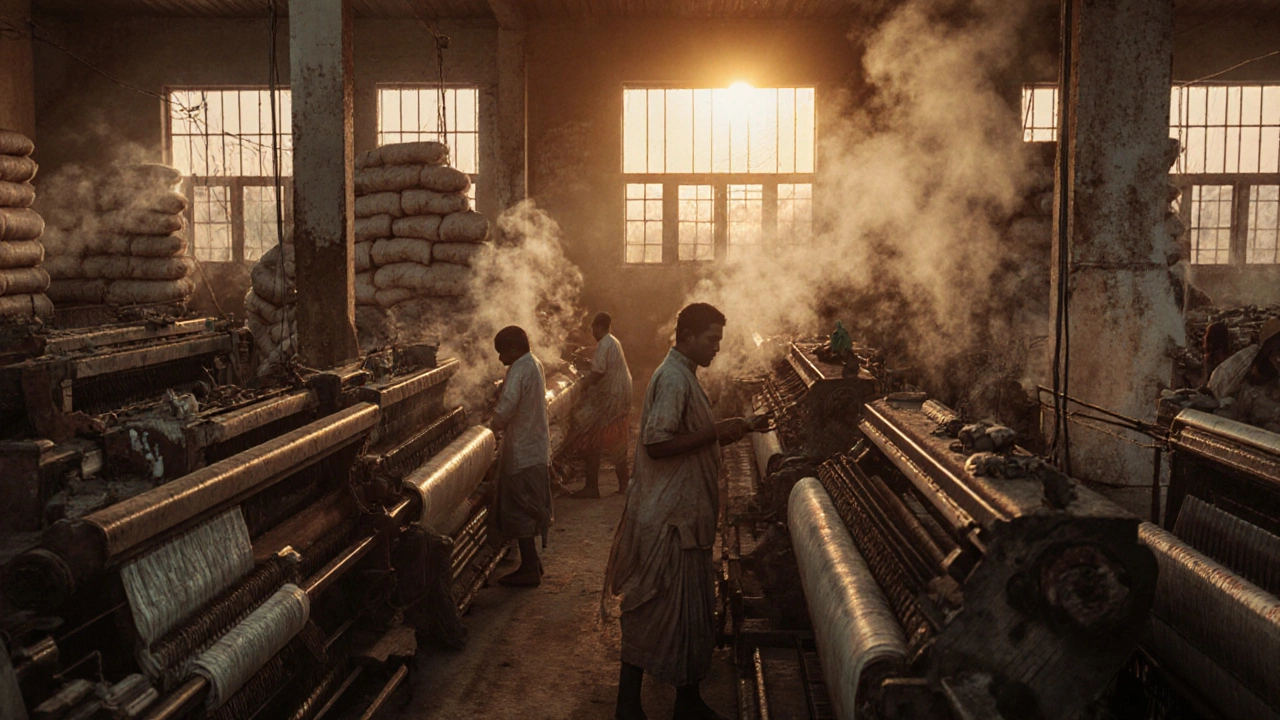
What is the current situation of the textile industry in India?
India's textile industry is a $150 billion powerhouse employing 45 million people. With rising exports, government support, and innovation in sustainable fabrics, it's transforming from a low-cost producer to a global leader in smart and eco-friendly textiles.
View More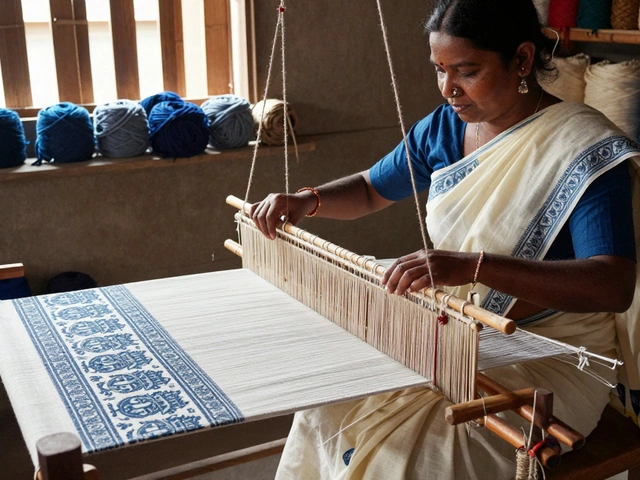
Mar 13 2025