Plastic Waste: What It Is, Who Causes It, and How India Is Fighting Back
When we talk about plastic waste, discarded plastic materials that don’t break down naturally and pile up in landfills, rivers, and oceans. Also known as plastic pollution, it’s one of the most visible signs of how modern convenience is outpacing our ability to manage it. Every year, over 300 million tons of new plastic are made worldwide—and nearly half of it is designed to be thrown away after just one use. That’s not just trash. It’s a slow-motion crisis.
Who’s responsible? It’s not just you for leaving a grocery bag on the sidewalk. The real culprits are plastic manufacturers, companies that produce single-use packaging, bottles, and films at massive scale, often with little regard for end-of-life disposal. They design products meant to be cheap and disposable, knowing full well most won’t be recycled. In India, where packaging demand is rising fast, these companies supply everything from snack wrappers to shampoo bottles. And when local waste systems can’t keep up, it ends up in rivers, fields, and eventually the ocean plastic, plastic debris that flows from land into marine ecosystems, harming wildlife and entering the food chain. A 2023 study found that India ranks among the top 10 countries contributing to ocean plastic, not because people litter more, but because collection and recycling infrastructure hasn’t caught up with consumption.
But it’s not all bad news. India is waking up. Cities like Surat and Pune are banning single-use plastics. Small manufacturers are switching to compostable alternatives. And consumers are starting to ask: "Where did this come from? Where does it go?" The posts below dig into these stories—how plastic waste gets into the ocean, who the real polluters are, and what everyday people and businesses are doing differently. You’ll find real examples, hard data, and simple actions that actually make a difference. No fluff. Just facts and fixes.
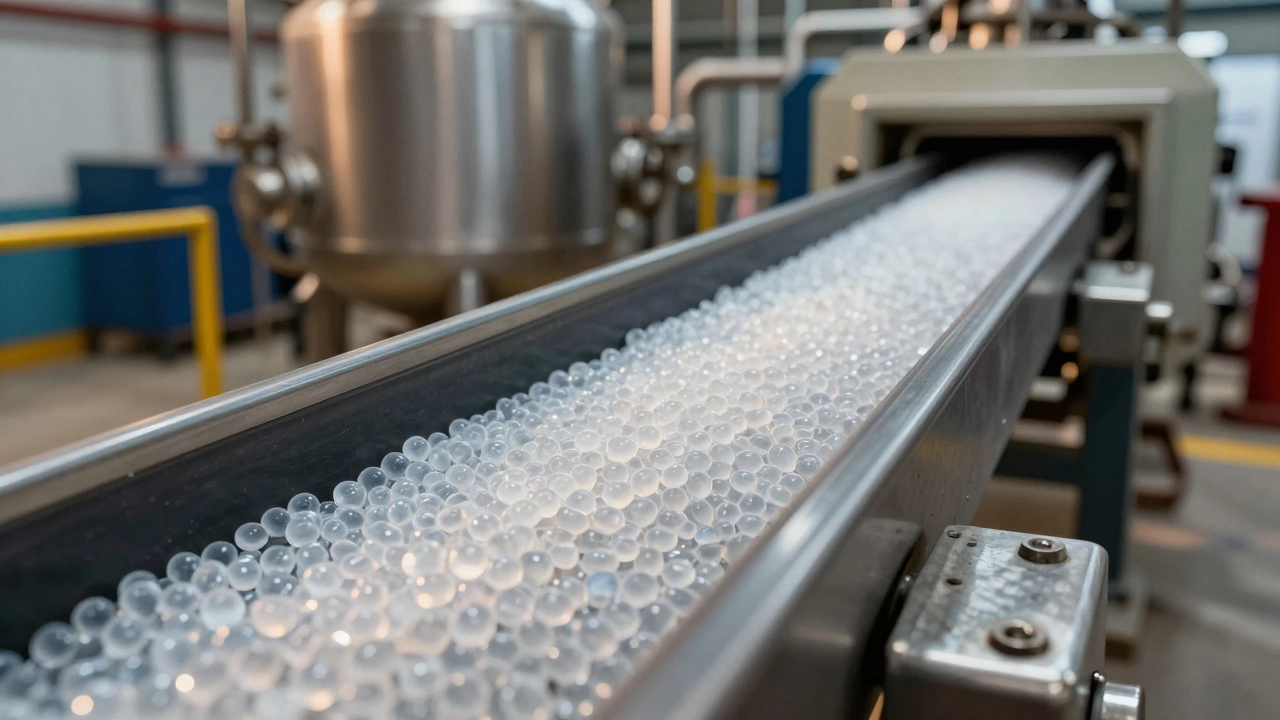
Who Is to Blame for Plastic Pollution? The True Costs and Culprits Explained
Explore the real reasons behind the plastic crisis. This guide breaks down corporate responsibility versus consumer habits and explains how policy changes are shaping the future of waste.
View More
What Country Puts the Most Plastic in the Ocean?
The Philippines now leads the world in ocean plastic pollution, not because of high consumption, but due to weak waste systems and global plastic production practices. Learn who's really to blame and what needs to change.
View More
Feb 13 2025