Steel Industry Collapse: What Happened and How It Changed Manufacturing
When the steel industry collapse, a widespread downturn in steel production driven by oversupply, rising costs, and shifting global demand. Also known as industrial decline, it didn’t just shut down factories—it rewired how we think about manufacturing, jobs, and what gets made where. This wasn’t a single event. It was a slow unraveling: plants in the U.S. and Europe idled, Chinese overproduction flooded markets, and environmental rules made old methods too expensive. In places like Pittsburgh or Sheffield, whole towns felt the hit. But here’s the twist: while heavy industry shrank, something quieter grew. In India, factories that once made steel parts began making tissue boxes, kitchen towels, and bathroom accessories—using less energy, fewer emissions, and far less water.
That shift didn’t happen by accident. As steel mills closed, skilled workers moved into smaller, smarter manufacturing. The same precision used to shape steel beams now goes into cutting tissue layers with millimeter accuracy. The same supply chains that moved raw iron now move bamboo pulp and recycled paper. And the same towns that once rang with the clatter of rolling mills now hum with quiet, automated tissue machines—running on solar power, producing 10,000 rolls a day without a single ton of coal. This isn’t just substitution. It’s evolution. manufacturing in India, a sector transforming from low-cost output to high-efficiency, eco-smart production is leading this change. Companies aren’t just making tissues—they’re rebuilding local economies with cleaner, smarter tools.
What you’ll find in the posts below aren’t stories about blast furnaces or labor strikes. They’re about what came after: how people adapted, what new industries filled the gaps, and why things like shelf liners, curtain rods, and bathroom mirrors now carry the same quiet craftsmanship once tied to steel. You’ll see how steel production, once the backbone of industrial power gave way to precision, sustainability, and local innovation. And you’ll see how a collapse in one sector didn’t mean an end—it just changed what we build, and how we build it.
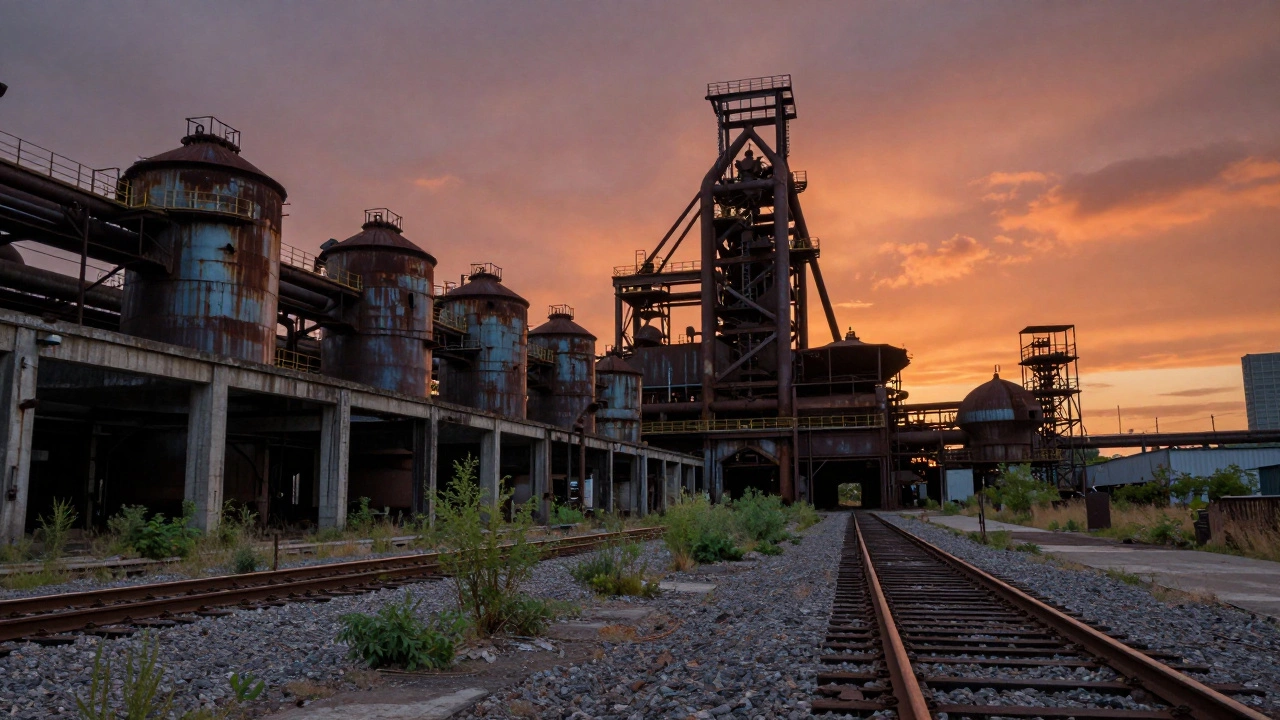
Why Doesn't the US Make Steel Anymore?
The U.S. used to be the world’s top steel producer. Now, most steel is imported. Here’s why American steel mills closed, how foreign competition and outdated tech killed the industry, and whether it can ever come back.
View More



Mar 7 2025

Apr 16 2025