Steel Manufacturing Decline: Why It's Happening and What It Means for India
When we talk about steel manufacturing decline, the reduction in output and investment in traditional steel production across major economies, we're not just talking about factories closing. We're talking about a fundamental shift in how countries build, power, and think about industry. In India, where steel has long been the backbone of infrastructure and job creation, this decline isn't a failure—it's a transformation. The old model of massive blast furnaces and heavy labor is being replaced by smarter, leaner, and more sustainable ways to produce the materials we need.
This shift connects directly to other industrial changes you’ve probably seen. Indian steel industry, the network of mills, suppliers, and workers that produce steel across India is now facing pressure from three sides: cheaper imported steel, rising energy costs, and new environmental rules. At the same time, industrial shift India, the broader movement away from traditional heavy manufacturing toward high-efficiency, tech-driven production is accelerating. Factories that once ran 24/7 are now automating. Workers are being retrained. And instead of building more steel plants, companies are investing in recycling, lightweight alloys, and digital supply chains.
What does this mean for you? If you’re in construction, home goods, or manufacturing, you’re already feeling the ripple effects. The cost of steel-based products—from door handles to shelving brackets—is changing. The supply chain is getting shorter. And the demand for locally made, low-carbon alternatives is growing fast. That’s why you’ll find posts here about everything from textile hubs in Coimbatore to chemical plants in Gujarat. They’re not random. They’re part of the same story: India is moving beyond old-school manufacturing, not because it can’t compete, but because it’s choosing to compete differently.
You won’t find a single cause for the steel manufacturing decline—it’s a mix of policy, technology, and global trade. But you will find real examples of what’s replacing it. From companies using recycled scrap to make high-quality wire, to startups building smart home products with less metal and more composite materials. This collection isn’t about mourning lost factories. It’s about showing you what’s next—and how to adapt, profit, and even lead in the new economy.
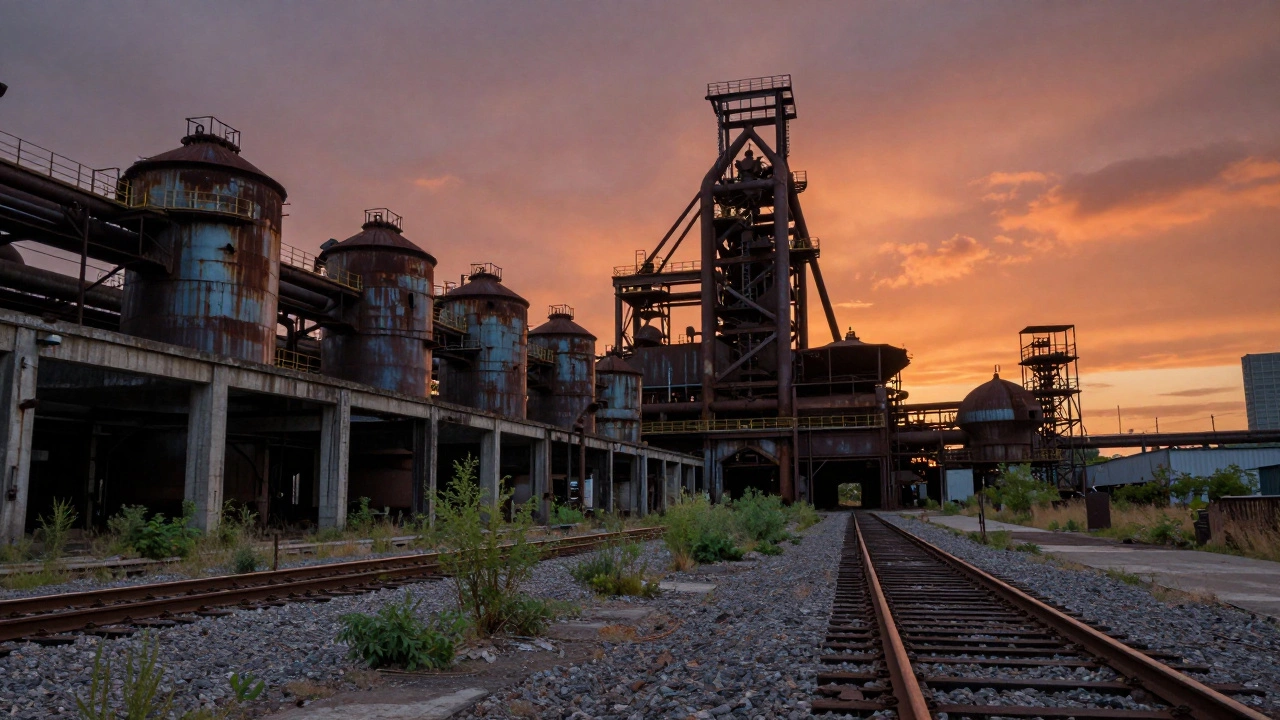
Why Doesn't the US Make Steel Anymore?
The U.S. used to be the world’s top steel producer. Now, most steel is imported. Here’s why American steel mills closed, how foreign competition and outdated tech killed the industry, and whether it can ever come back.
View More