Sofa Anatomy Identifier
Hover over or click the highlighted areas on the sofa diagram to identify specific parts and learn about their function, materials, and maintenance tips.
Select a Part
Hover over or click the sofa components on the left to see detailed information about names, materials, and care instructions.
Have you ever pointed at the soft part of your couch and struggled to find the right word? You might say "cushion," but if you want to replace a worn-out pad or buy a decorative accent, that word is too broad. The industry has specific names for every piece, and knowing them saves you time and money. Whether you are looking for the thick foam block under your bottom or the pretty square on your lap, there is a distinct term for it.
We often use "cushion" as a catch-all, but in furniture design, precision matters. If you walk into a store asking for "cushions," you might leave with the wrong item. Understanding the difference between structural support and decorative flair helps you maintain your furniture better. It also makes shopping for replacements much easier. For those interested in exploring other aspects of home comfort and lifestyle resources, you can browse this directory for additional local listings and services.
The Foundation: Seat Cushions and Seat Pads
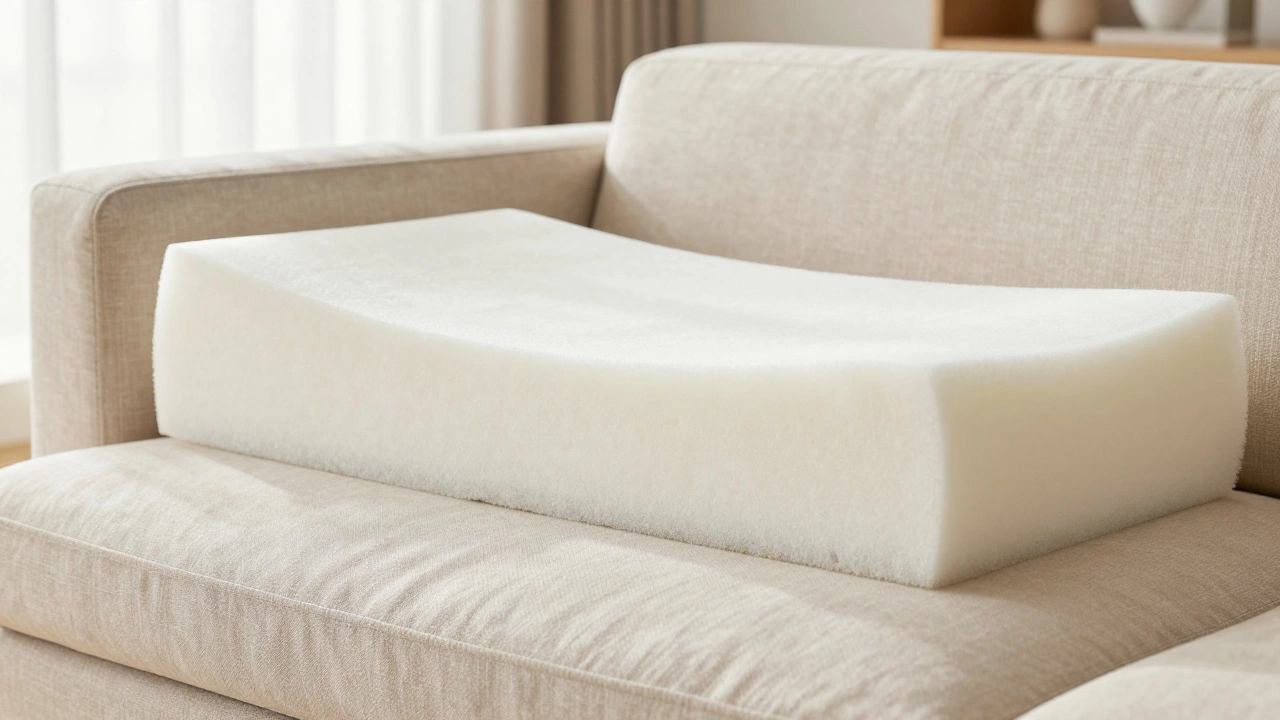
The large, rectangular blocks you sit on are technically called seat cushions or seat pads. These are the workhorses of any sofa. Their primary job is not just comfort, but structure. They distribute your body weight evenly across the sofa frame. Without them, you would be sitting directly on springs or wood slats, which is uncomfortable and damaging to the furniture.
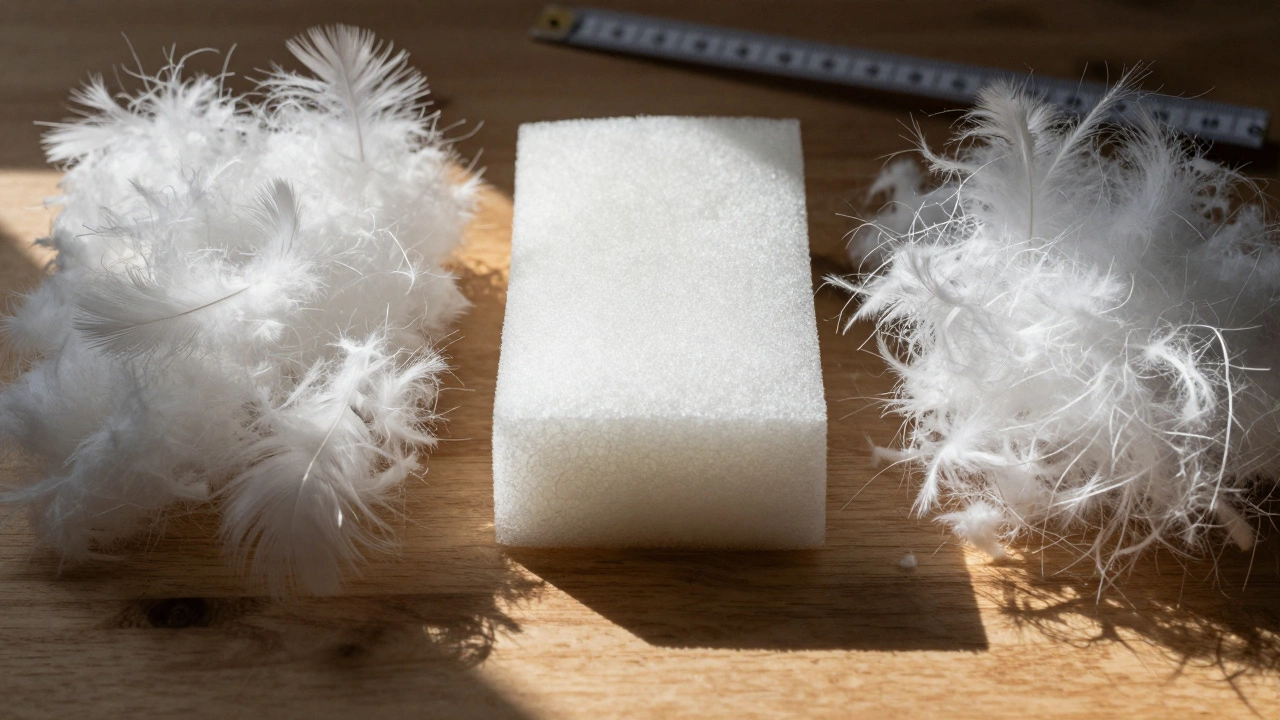
Seat cushions usually have two main components: the filling and the cover. The filling determines how firm or plush the sofa feels. Common materials include high-density polyurethane foam, memory foam, down feathers, or a blend of fiberfill. High-density foam lasts longer and keeps its shape, while down offers a sink-in feel but requires frequent fluffing. The cover is often made from the same fabric as the rest of the sofa, ensuring a seamless look.
If your seat cushion loses its shape, it does not always mean you need a new sofa. You can replace just the insert. Look for "replacement seat pads" online. Measure the length, width, and depth of your current cushion before buying. Depth is crucial because a shallow pad will feel hard, while an overly deep one might bulge awkwardly. Most standard sofas use cushions that are about 4 to 6 inches thick.
The Back Support: Backrests and Back Bolsters
Moving up from the seat, we encounter the parts that support your spine. These are generally referred to as back cushions or backrest pads. In many modern sofas, these are separate from the frame. They lean against the back of the sofa rather than being attached. This design allows for easy cleaning and replacement.
Back cushions vary significantly in size and shape depending on the sofa style. A sectional sofa might have wide, rectangular back cushions that span multiple seats. A traditional Chesterfield sofa has tufted leather backs that are fixed to the frame, meaning they are not removable cushions at all. When shopping for replacements, check if your sofa uses ties or loops to keep the back cushions in place. If they slide down constantly, adding non-slip grip strips to the back of the cushion can help.
Some sofas feature bolster pillows. These are cylindrical cushions often found on the sides of the sofa or integrated into the armrests. They provide lateral support for your arms and shoulders. Bolsters add a touch of elegance and comfort, especially for reading or napping. They are less common in minimalist designs but are a staple in mid-century modern and traditional styles.
The Decorative Touch: Throw Pillows and Accent Cushions
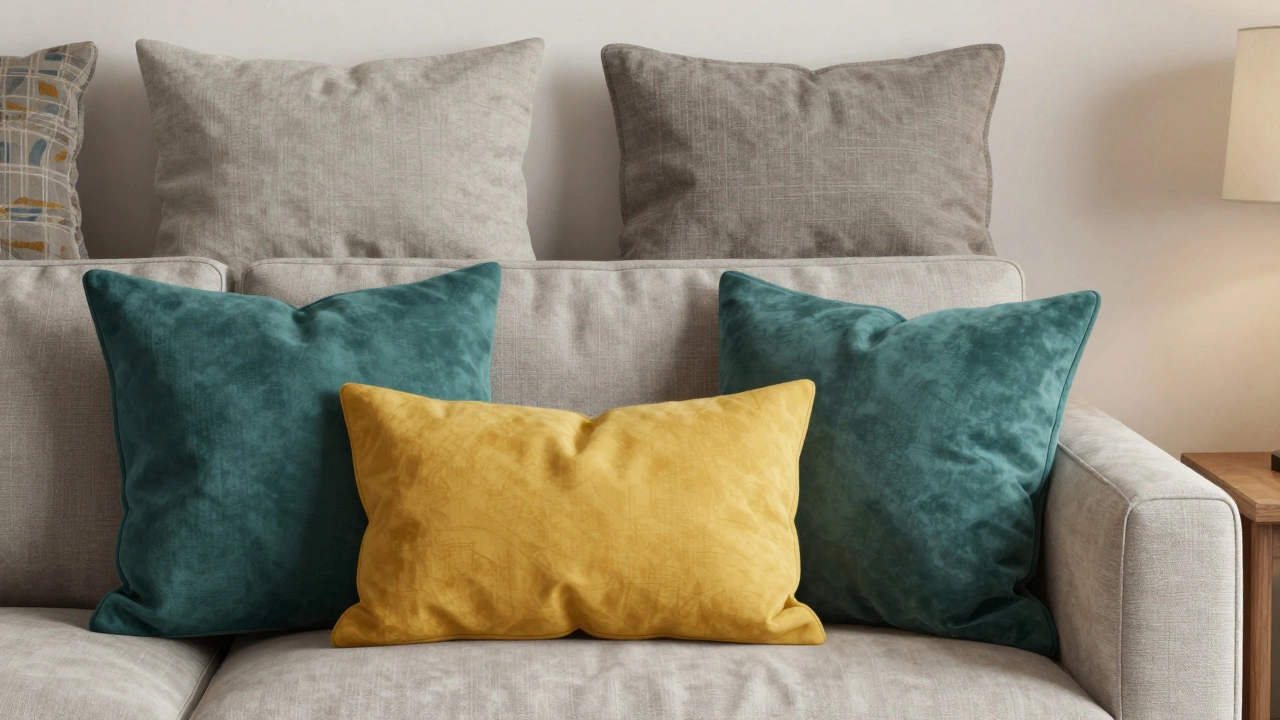
Now let’s talk about the small, colorful squares you see everywhere. These are officially known as throw pillows or accent cushions. Unlike seat and back cushions, these serve no structural purpose. They are purely decorative and offer optional lumbar support. You can move them around, wash them, or swap them out seasonally without affecting the sofa’s integrity.
Throw pillows come in various sizes, typically ranging from 18x18 inches to 24x24 inches. The filling is often softer than seat cushions, using polyester fiberfill or microfiber. This makes them squishy and inviting. Because they take the brunt of spills and stains, it is wise to choose machine-washable covers. Many people use throw pillows to tie a room’s color scheme together. A neutral sofa pops with vibrant teal or mustard yellow accents.
Do not confuse throw pillows with lumbar pillows. Lumbar pillows are rectangular (usually 12x20 inches) and designed specifically to support the lower back. They are firmer and narrower than standard throw pillows. If you suffer from back pain, placing a lumbar pillow behind your spine can make a significant difference in comfort during long movie nights.
Armrests and Tufting: Fixed vs. Removable
Not all soft parts of a sofa are loose cushions. Some are built into the frame. The padded sections on the sides are called armrests. In some styles, like the rolled-arm sofa, the padding is sewn directly onto the frame. In others, particularly contemporary designs, the armrests might be removable cushions. This distinction matters when you need repairs. If the foam inside an armrest collapses, a tailor or upholstery shop can refoam it, but only if it is accessible.
Tufting is another key term. Tufting refers to the process of pulling fabric tightly over padding and securing it with buttons. This creates the diamond or channel patterns seen on Chesterfields and button-back sofas. Tufting adds depth and texture. It also helps keep the internal padding in place. If your tufted sofa sags, it might be due to compressed foam rather than loose threads. Re-tufting is a specialized repair that restores both appearance and support.
Material Matters: Foam, Down, and Fiber
The name of the cushion changes based on what is inside. A down cushion contains goose or duck feathers. These are luxurious but require maintenance. You must fluff them daily to prevent clumping. A foam cushion uses synthetic materials. It is durable and hypoallergenic, making it ideal for households with pets or allergies. A fiberfill cushion uses shredded polyester. It is lightweight and cheap but tends to flatten quickly.
Blends are popular for balancing cost and comfort. A down-feather blend offers some loft without the full price of pure down. Memory foam cushions conform to your body shape, providing personalized support. However, they can retain heat, which might be uncomfortable in warm climates. When choosing a material, consider your lifestyle. If you have kids, stain-resistant foam is a safer bet than delicate down.
Maintenance and Longevity Tips
To keep your cushions looking fresh, follow a simple routine. Rotate seat and back cushions weekly. This ensures even wear and prevents sagging in one spot. Vacuum the surface monthly to remove dust and crumbs. For deeper cleaning, check the care label. Some covers are dry-clean only, while others are machine washable. If you cannot remove the cover, use a fabric cleaner spray.
If your cushions lose their bounce, try freezing them. Yes, really. Put the cushion insert in a large plastic bag and freeze it overnight. The cold air expands the fibers, restoring some volume. This trick works best for fiberfill and down blends. For foam, however, freezing might damage the structure. Instead, consider replacing the foam insert. Local upholstery shops can cut new foam to your exact specifications.
| Cushion Type | Primary Function | Common Materials | Removable? |
|---|---|---|---|
| Seat Cushion | Weight distribution & comfort | High-density foam, memory foam | Often yes |
| Back Cushion | Spinal support | Foam, fiberfill, down | Usually yes |
| Throw Pillow | Decoration & optional support | Polyester, cotton, linen | Always yes |
| Bolster | Arm & shoulder support | Fiberfill, foam core | Sometimes |
Choosing the Right Replacement
When buying new cushions, accuracy is key. Measure the existing cushion carefully. Note the thickness, including any piping or trim. If the old cushion is flattened, measure it uncompressed by pressing it gently. Compare your measurements with product listings. Standard sizes exist, but custom orders are often worth the extra cost for a perfect fit.
Consider the fabric durability. Rub count indicates how many times a fabric can be rubbed before wearing out. For high-traffic areas, choose fabrics with a rub count of 15,000 or higher. Microfiber and performance fabrics like Crypton resist stains and abrasion. They are excellent choices for families with young children or pets. Always check return policies before ordering custom items, as sizing errors can happen.
What is the difference between a seat cushion and a throw pillow?
A seat cushion is a large, structural component that supports your weight and is often attached to the sofa frame. A throw pillow is a small, decorative accessory that provides optional comfort and style but no structural support.
Can I wash my sofa seat cushions?
It depends on the construction. If the cushion has a removable cover, you can wash the cover according to the care label. The foam insert should never be washed with water as it takes too long to dry and can mold. Spot clean the foam instead.
Why do my back cushions keep sliding down?
This happens when the friction between the cushion and the sofa back is low. You can fix this by attaching non-slip grips to the back of the cushion or sewing ties that loop around the sofa frame to hold them in place.
How do I know if my sofa cushions need replacing?
Signs include permanent indentations, visible sagging, loss of bounce, or discomfort when sitting. If the foam feels crumbly or the fabric is torn beyond repair, it is time to replace the insert or the entire cushion.
Are bolster pillows necessary for a sofa?
No, bolster pillows are optional. They add aesthetic appeal and extra arm support, but most sofas function perfectly well without them. They are more common in traditional or luxury designs.