Small-Scale Food Processing Startup Cost Estimator
Configure Your Setup
Cost Breakdown
Based on your selection, consider focusing on local health department regulations early in the process.
Imagine biting into a crisp apple slice that has traveled thousands of miles from an orchard to your kitchen. It’s still fresh, safe, and tastes exactly as it should. That miracle doesn’t happen by accident. It happens because a food processing unit is a facility where raw agricultural products are transformed into edible, safe, and shelf-stable foods through mechanical, chemical, or biological methods. Without these facilities, most of the food we eat would spoil within days. You wouldn't have canned beans in winter, frozen pizzas for late-night cravings, or pasteurized milk on your breakfast table.
Many people confuse a simple kitchen with a food processing unit. While both involve preparing food, the scale, regulation, and technology differ vastly. A home kitchen serves a few people; a food processing unit serves thousands, often millions. This article breaks down what these units actually do, the different types you’ll encounter, and why they are the backbone of the global food supply chain.
The Core Purpose: Why Do We Need Food Processing?
At its heart, a food processing unit exists to solve three major problems: spoilage, accessibility, and safety. Raw ingredients are perishable. Milk sours, meat rots, and fruits bruise and decay. The primary job of any processing facility is to extend the shelf life of these goods so they can be transported over long distances without turning into waste.
But it goes beyond just preservation. These units also enhance safety. By applying heat, pressure, or chemical treatments, processors eliminate harmful bacteria like E. coli is a bacterium that can cause severe stomach cramps, diarrhea, and vomiting. and Salmonella is a type of bacteria that causes salmonellosis, a common foodborne illness.. Think about pasteurization. When you buy milk, it has been heated to a specific temperature to kill pathogens while retaining nutritional value. That process happens in large-scale thermal processing equipment inside a dedicated unit.
Finally, these units add convenience. Grinding wheat into flour, extracting oil from olives, or packaging chicken into vacuum-sealed bags saves consumers hours of preparation time. The modern diet relies heavily on this efficiency. If you’ve ever wondered how a loaf of bread stays soft for a week or how baby food remains sterile, the answer lies in the sophisticated operations of these facilities.
Types of Food Processing Units
Not all food processing units look the same. They vary significantly based on the product they handle and the methods they use. Understanding these categories helps clarify how complex the industry really is.
- Dairy Processing Plants: These facilities focus on milk. They separate cream, pasteurize liquids, and churn butter. They require strict cold-chain management to prevent bacterial growth.
- Meat and Poultry Processing: These are high-regulation zones. They handle slaughtering, butchering, and packaging. Hygiene here is paramount due to the high risk of contamination.
- Beverage Manufacturing Units: From juice extraction to carbonation, these plants deal with liquids. They rely heavily on filtration systems and bottling lines.
- Bakery and Confectionery Facilities: These units mix, bake, and package dry goods. Temperature control in ovens and humidity in storage areas are critical factors.
- Canning and Preserving Plants: These facilities use heat sterilization to seal foods in jars or cans, allowing them to sit on shelves for years without refrigeration.
Each type requires specialized machinery. A dairy plant needs homogenizers to blend fat globules, while a bakery needs industrial mixers and proofing cabinets. The infrastructure must match the biological nature of the food being processed.
Key Components Inside a Processing Facility
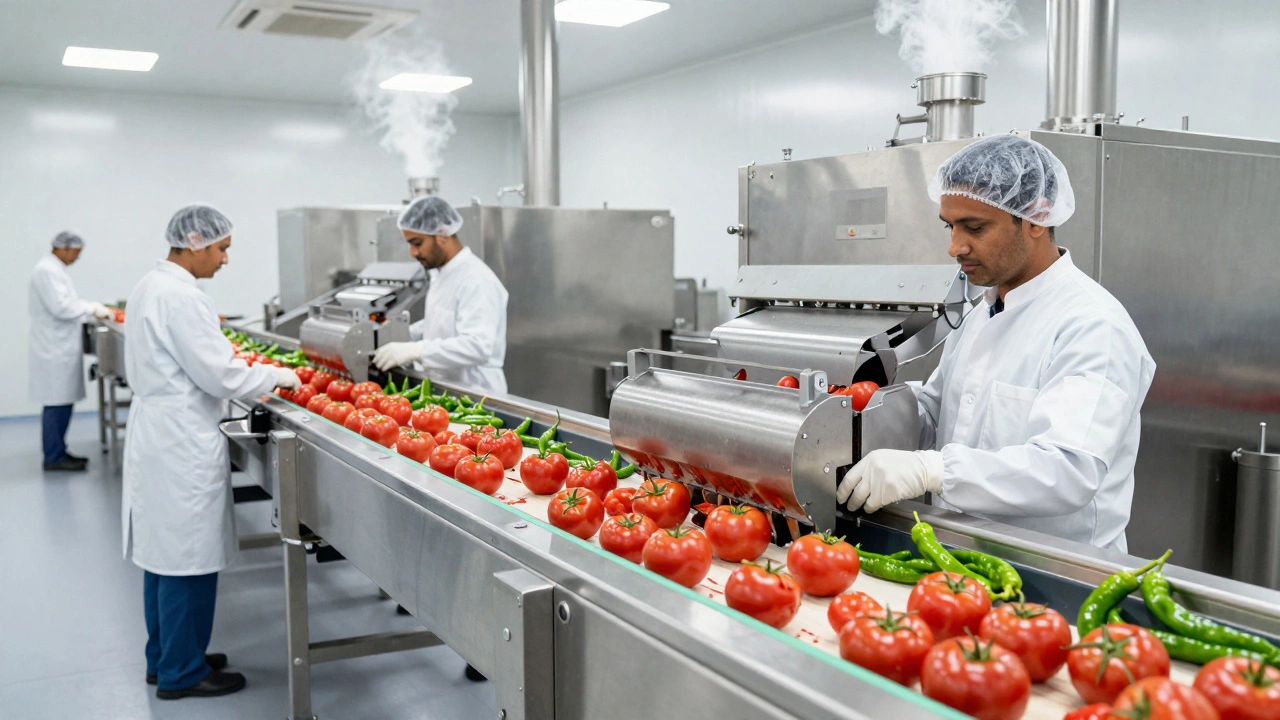
Walking into a modern food processing unit, you’ll notice it looks more like a laboratory than a farm. Several key components work together to ensure smooth operation.
First, there is the receiving and inspection area. Raw materials arrive here. Quality control teams test samples for pesticides, moisture content, and microbial load. Only approved batches move forward. This step prevents bad inputs from ruining the entire production line.
Next comes the preparation zone. Here, washing, peeling, cutting, and grinding happen. Automated conveyors move produce through water baths or steam peelers. For example, potato chips start as whole potatoes that are washed, sliced, and fried in massive vats. Precision cutting machines ensure every slice is uniform, which guarantees even cooking.
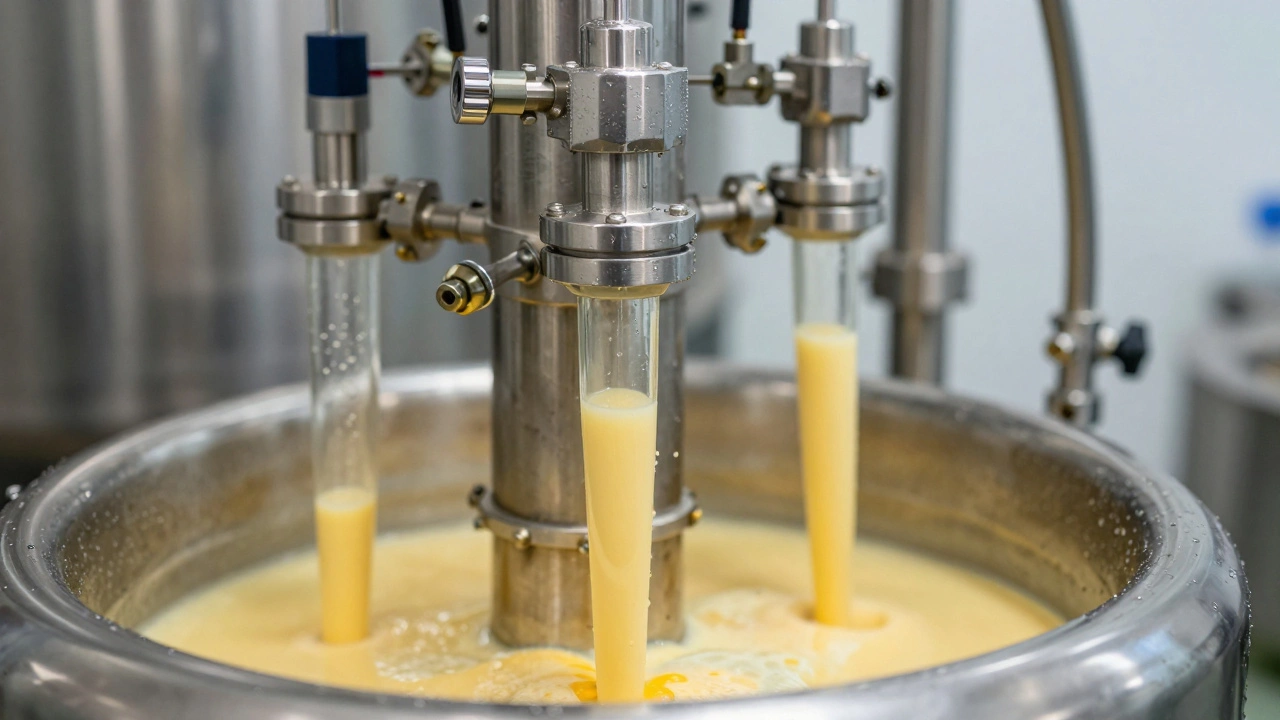
The processing core is where the transformation occurs. This could be a pasteurizer, a fermenter, or a kiln. In a cheese factory, vats of milk are inoculated with cultures and enzymes to curdle. In a brewery, mash tuns convert starches into sugars. The technology here determines the final texture, flavor, and safety of the product.
Finally, the packaging and storage section seals the deal. Packaging isn’t just about branding; it’s a barrier against oxygen, light, and contaminants. Vacuum sealing removes air to slow oxidation. Modified atmosphere packaging replaces air with nitrogen to keep snacks crunchy. After packaging, products move to cold storage or dry warehouses depending on their preservation needs.
Safety Standards and Regulations
You cannot run a food processing unit without adhering to strict regulations. Governments and international bodies enforce these rules to protect public health. Ignoring them can lead to recalls, lawsuits, and shutdowns.
In North America, the FDA is the U.S. Food and Drug Administration, the federal agency responsible for protecting public health by ensuring the safety of food. oversees most food safety protocols. One of the most critical frameworks is HACCP is Hazard Analysis and Critical Control Points, a systematic preventive approach to food safety. HACCP requires processors to identify potential hazards at every stage of production. For instance, if cross-contamination between raw chicken and ready-to-eat salad is a risk, the facility must implement physical separation or strict cleaning schedules.
Another standard is GMP is Good Manufacturing Practices, guidelines that cover personnel, buildings, and equipment to ensure consistent quality. GMP dictates that workers must wear hairnets, sanitize hands frequently, and maintain clean floors. Equipment must be made of stainless steel to resist corrosion and allow easy cleaning. Even the layout of the room matters-airflow should move from clean areas to dirty areas to prevent contamination spread.
Regular audits are mandatory. Inspectors check temperature logs, sanitation records, and employee training certificates. A single lapse, like a broken thermometer in a freezer, can halt production until fixed. Compliance isn’t optional; it’s the license to operate.
Setting Up a Small-Scale Food Processing Business
Starting a food processing unit doesn’t always mean building a massive factory. Many entrepreneurs begin with small-scale operations, such as making artisanal jams, hot sauces, or baked goods. However, even small units must follow professional standards.
- Choose Your Niche: Decide what you will process. High-moisture foods like soups require different equipment than dry goods like spices. Research market demand before investing in machinery.
- Secure a Licensed Kitchen: You cannot legally sell food prepared in your home kitchen in most jurisdictions. Renting space in a shared commercial kitchen, often called a "ghost kitchen" or "incubator," is a cost-effective way to start. These spaces already meet health codes.
- Invest in Essential Equipment: Basic tools include industrial mixers, blast chillers (to cool food rapidly and safely), and labeling machines. Don’t skimp on refrigeration; temperature abuse is the leading cause of foodborne illness.
- Obtain Permits: Contact your local health department early. You’ll need a food handler’s permit, a business license, and possibly a special permit for certain processes like smoking meat or canning low-acid foods.
- Implement Quality Control: Keep detailed records of ingredient sources, batch numbers, and expiration dates. Traceability allows you to quickly isolate issues if a customer reports a problem.
Scaling up later involves moving to a dedicated facility. But starting small lets you refine recipes and build a brand without huge overhead costs.
| Feature | Small Scale Unit | Large Scale Plant |
|---|---|---|
| Initial Investment | $10,000 - $50,000 | $500,000 - Millions |
| Automation Level | Low (Manual labor intensive) | High (Robotic arms, AI monitoring) |
| Regulatory Scrutiny | Local health department inspections | Federal and state agency audits |
| Production Volume | Batches per day | Continuous flow, thousands per hour |
| Flexibility | High (Easy to switch products) | Low (Specialized lines) |
The Future of Food Processing
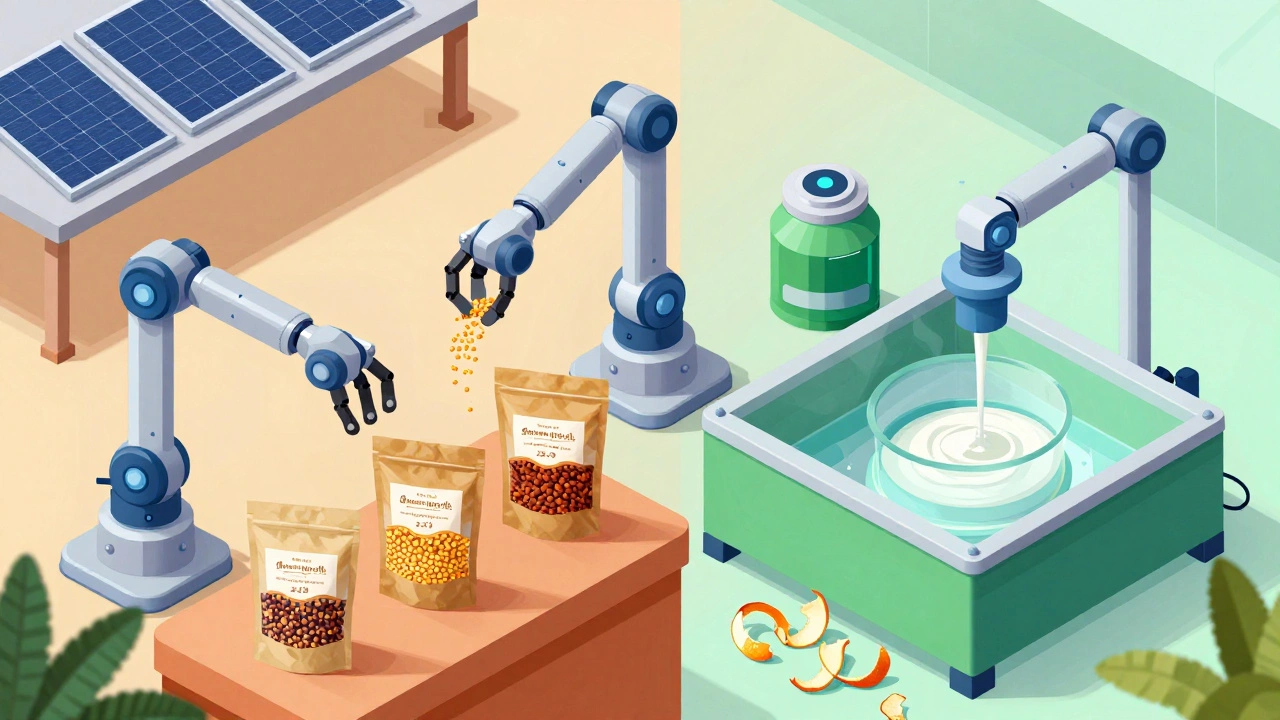
Technology is reshaping how these units operate. Automation reduces human error and increases speed. Sensors now monitor pH levels, viscosity, and temperature in real-time, adjusting processes automatically. Artificial intelligence predicts maintenance needs before machines break down, preventing costly downtime.
Sustainability is another major trend. Modern units are designed to minimize waste. By-products like fruit peels or whey are converted into animal feed, biofuel, or fertilizer. Energy-efficient motors and solar panels reduce the carbon footprint. Consumers increasingly prefer brands that demonstrate environmental responsibility, pushing processors to adopt greener practices.
Additionally, there is a shift toward minimally processed foods. As health awareness grows, people want ingredients they recognize. This pushes units to use gentle processing techniques like high-pressure processing (HPP) instead of harsh chemicals. HPP uses extreme pressure to kill microbes without heat, preserving nutrients and natural flavors. This innovation meets the demand for clean-label products.
Common Mistakes to Avoid
Whether you are running a large plant or a small startup, certain pitfalls can derail operations.
Underestimating Cold Chain Requirements: Temperature fluctuations ruin quality. Ensure your refrigeration system has backup generators. A power outage during summer can destroy inventory worth thousands of dollars in hours.
Neglecting Staff Training: Machines don’t make mistakes; people do. Regular training on hygiene, equipment safety, and emergency procedures is non-negotiable. An untrained worker can contaminate an entire batch with improper handwashing.
Poor Layout Design: Workflow matters. If raw materials and finished products cross paths, cross-contamination risks rise. Design your facility so materials flow in one direction: from receiving to processing to packaging to shipping. Never let traffic reverse.
Ignoring Labeling Laws: Mislabeling allergens or nutritional information is illegal and dangerous. Always verify label accuracy with regulatory experts. A missing "Contains Nuts" warning can be fatal for allergic consumers and devastating for your reputation.
What is the difference between food processing and food manufacturing?
While often used interchangeably, food processing typically refers to transforming raw ingredients into intermediate forms, like turning wheat into flour or milk into cheese. Food manufacturing usually implies creating finished consumer products, like baking bread from flour or packaging cheese slices. Processing is a step within the broader manufacturing lifecycle.
Is food processing bad for health?
Not necessarily. Minimal processing, such as freezing vegetables or pasteurizing milk, preserves nutrients and ensures safety. Highly processed foods, however, often contain added sugars, salts, and unhealthy fats. The key is distinguishing between necessary preservation techniques and excessive additive use.
How much does it cost to start a small food processing unit?
Costs vary widely based on location and product type. A basic setup using a shared commercial kitchen might cost between $10,000 and $50,000 for equipment, licensing, and initial inventory. Building a dedicated facility can cost hundreds of thousands. Always budget for unexpected regulatory fees and insurance.
What are the main challenges in food processing?
Major challenges include maintaining strict hygiene standards, managing fluctuating raw material prices, complying with changing regulations, and reducing waste. Supply chain disruptions can also halt production if ingredients aren't available. Efficient logistics and robust quality control systems help mitigate these risks.
Can I start a food processing business from home?
In many regions, yes, under "cottage food laws." These laws allow the sale of certain low-risk, non-perishable items like jams, cookies, or dried herbs directly to consumers. However, you cannot sell these items in stores or restaurants. Check your local health department regulations for specific restrictions and allowed products.