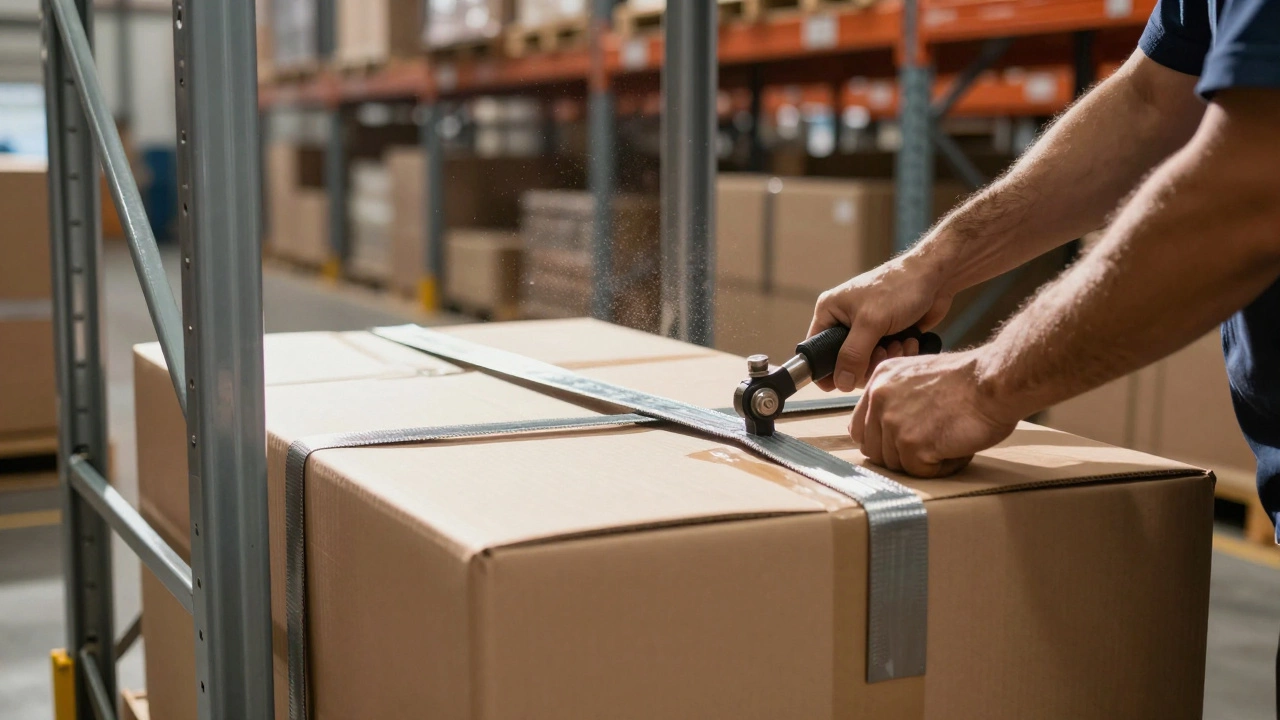
Banding Cost Calculator
Calculate Your Banding Costs
Estimate the cost of securing your items with appropriate banding materials based on your storage needs.
Results
Have you ever heard someone mention band money while talking about organizing a garage or setting up a warehouse? It sounds like slang, but in the context of shelving and storage logistics, it points to something specific. You might be wondering if this is a hidden fee, a specific product, or just industry jargon. The truth is, it’s not a standard term you’ll find in every textbook, but it refers to the budget allocated for banding and securing items on your shelving units. Understanding this helps you manage your storage costs effectively.
When we talk about shelving, we aren't just talking about putting boxes on metal beams. We are talking about stability, safety, and the materials that keep everything in place. In 2026, with supply chains still fluctuating and storage prices rising, knowing where your money goes is crucial. If you are setting up a home storage room or a small business warehouse, the concept of banding becomes vital. This guide breaks down what this term means, how it impacts your budget, and how to optimize your shelving investment.
Defining the Term in Storage Context
First, let’s clear up the confusion. In the wider world, Band Money is a colloquial term sometimes used in logistics to describe the specific budget or cost associated with banding materials and labor for securing inventory. However, in a strict shelving context, it usually refers to the expenses related to Banding is the process of using steel, plastic, or polyester straps to secure items together or to a pallet. This process ensures that heavy boxes on a shelf don’t slide off during an earthquake or when someone pulls out a lower item.
Why does this matter? If you ignore banding, you risk damage to your goods. If you over-spend on it, you eat into your profit margins. In Toronto, where warehouse rent is high, every dollar counts. The "money" part of the term highlights that this is an operational cost, not just a one-time purchase. You need to factor in the straps, the tools, and the time it takes to apply them.
Some warehouse managers use the term to describe the savings generated by proper shelving. When you organize items correctly with banding, you reduce waste. Less waste means more money in your pocket. So, "band money" can sometimes mean the return on investment from efficient storage practices. It’s a dual concept: the cost of securing goods and the value gained from doing it right.
The Role of Banding in Shelving Systems
To understand the cost, you need to understand the function. Shelving is a storage system consisting of horizontal surfaces supported by vertical frames, used to hold goods. In a static environment, gravity does most of the work. But in a dynamic environment, where forklifts move or people walk by, shelves vibrate. Banding acts as the safety net. It binds loose items into a single unit, often called a load.
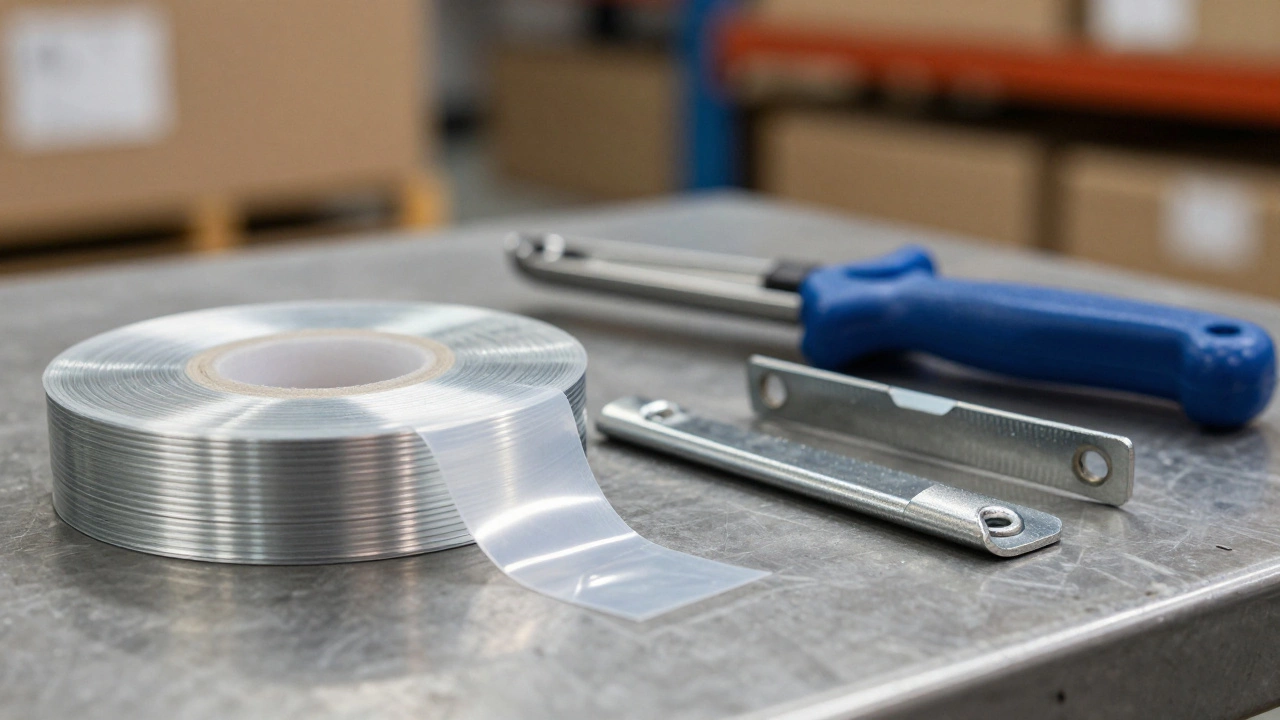
There are different types of banding materials, and each comes with a different price tag. Steel banding is the strongest but costs more. It is often used for heavy machinery parts stored on industrial racking. Plastic strapping is lighter and cheaper, suitable for cardboard boxes in a retail backroom. Polyester banding offers a middle ground, providing tension without rusting. Choosing the wrong type can lead to breakage, which costs you more in the long run.
Consider a scenario where you are storing seasonal decorations in a Toronto basement. If you just stack them, they might topple. If you use banding, you save space and prevent damage. The "band money" here is the cost of the straps and the buckles. It seems small, but multiplied by hundreds of boxes, it adds up. This is why inventory management software often tracks banding costs separately from shelving costs.
Calculating Your Storage Budget
When you plan a shelving project, you need a budget breakdown. The shelving units themselves are the big ticket item. However, the accessories like banding, edge protectors, and safety clips are the hidden costs. A common mistake is buying cheap shelves and then overspending on banding to make them safe. It’s better to invest in sturdy shelving first.
Here is a rough breakdown of where the money goes in a typical storage setup:
| Item | Estimated Cost Range (2026) | Lifespan |
|---|---|---|
| Industrial Shelving Unit | $200 - $800 per bay | 10-20 years |
| Steel Banding Rolls | $50 - $150 per roll | Single use |
| Plastic Strapping | $30 - $80 per roll | Single use |
| Hand Tools (Tensioners) | $50 - $200 each | 5+ years |
| Safety Edge Guards | $10 - $30 per piece | 3-5 years |
As you can see, the shelving is a capital expense, while banding is an operational expense. You buy the shelf once. You buy the banding every time you move stock. This distinction is key when calculating your "band money." If you move stock frequently, your operational costs will be high. If you store items long-term, your capital cost dominates.
Inflation plays a role here too. As of March 2026, steel prices have stabilized after the volatility of the previous few years. This means steel banding is more affordable than it was in 2024. However, labor costs in Canada have risen. If you are doing the banding yourself, you save on labor. If you hire a logistics firm to handle your storage, their fees include the banding cost. Always ask for a line-item breakdown.
Optimizing Shelving for Cost Efficiency
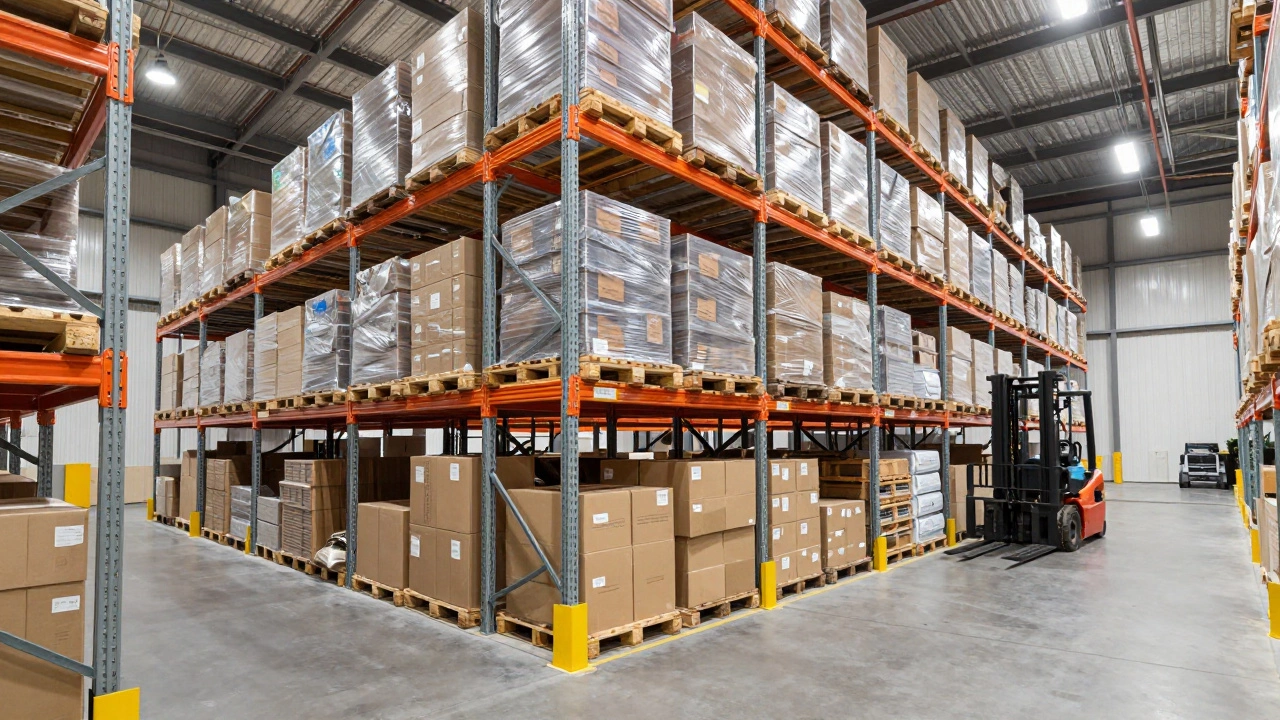
How do you reduce the need for excessive banding? The answer lies in the design of your shelving. Pallet Racking is a specialized shelving system designed to store palletized goods in a warehouse. If you use pallet racking, you often don't need to band individual boxes because the pallet itself provides stability. This reduces the amount of strapping you need.
For home storage, adjustable shelving is your friend. If you can adjust the height of the shelves, you can fit items snugly. Snug items don't slide. If items don't slide, you don't need as much banding. This is a simple trick that saves money over time. Measure your items before buying the shelves. Don't guess.
Another strategy is to group items by weight. Heavy items go on the bottom. Light items go on top. This reduces the stress on the shelving and the need for heavy-duty banding on the lower levels. If you put a heavy box on a high shelf, you risk it falling. If it falls, you lose the product and potentially the shelf. That is a lot of "band money" lost in one accident.
Security is another angle. In some contexts, "band money" refers to the cost of security bands or seals on high-value items. If you store expensive tools or electronics, you might use tamper-evident bands. These cost more but protect your investment. It’s a trade-off between security and expense. Decide what level of risk you are willing to take.
Common Mistakes to Avoid
People make mistakes when setting up storage systems. One common error is underestimating the weight capacity. You buy a shelf rated for 500 pounds, but you stack 800 pounds on it. The shelf bends. The items slide. You end up buying more banding to try and hold it all together. This is a false economy. Buy shelves that match your load requirements.
Another mistake is ignoring local regulations. In commercial warehouses in Ontario, there are safety codes for shelving. If you don't follow them, you could face fines. These fines are definitely not "band money" you want to pay. Ensure your setup complies with the Ontario Fire Code and CSA standards. This applies to both home and business storage, though businesses face stricter enforcement.
Don't forget maintenance. Banding tools wear out. Tensioners lose power. If your tool isn't working, the band isn't tight. Loose bands snap. Broken bands mean spilled goods. Schedule regular checks on your tools and your shelves. A quick inspection takes minutes but saves hours of cleanup later.
Finally, don't ignore the space. If your aisles are too narrow, forklifts might hit the shelves. This damages the shelving and the goods. You might need to buy more banding to secure loose items from the impact. Wider aisles cost more rent, but they save on repair and replacement costs. Calculate the total cost of ownership, not just the purchase price.
Future Trends in Storage and Banding
Looking ahead, technology is changing how we store things. Automated storage and retrieval systems (AS/RS) are becoming more common in Toronto warehouses. These systems use robots to move shelves. They don't need traditional banding because the robots handle the items gently. However, the initial investment is high.
Sustainable banding is another trend. Recycled plastic straps are gaining popularity. They cost slightly more but reduce your carbon footprint. If your business cares about its environmental impact, this is worth the extra cost. Some clients prefer vendors who use eco-friendly packaging. It can be a selling point.
Smart shelving is also emerging. Sensors can detect weight and vibration. If a shelf is overloaded, it alerts you. This prevents the need for emergency banding or repairs. It’s an investment in data. You know exactly how much weight you have on each level. This precision helps you budget your "band money" more accurately.
Conclusion on Storage Investment
So, what is band money? It is the cost of keeping your storage safe and efficient. Whether you are a homeowner organizing a garage or a business manager running a warehouse, the principles remain the same. Invest in the right shelving. Choose the right banding material. Plan for the long term. By understanding these costs, you protect your assets and your budget.
Don't let the term confuse you. It’s just a way of talking about the operational costs of storage. Keep an eye on your spending, maintain your equipment, and stay organized. A well-organized space is a safe space. And a safe space saves you money in the end.
Is band money a standard industry term?
No, it is not a standard term found in all textbooks. It is often used colloquially in logistics to refer to the budget for banding materials or the savings gained from efficient storage practices.
What is the best material for banding shelves?
Steel banding is best for heavy loads, while plastic or polyester is better for lighter boxes. Choose based on the weight and type of items you are storing.
How often should I replace banding straps?
Most banding is single-use. You should replace it every time you move or reorganize your inventory to ensure safety and stability.
Does shelving height affect banding costs?
Yes, taller shelves may require more secure banding to prevent items from falling. Heavier items on higher shelves increase the risk and the need for stronger materials.
Are there eco-friendly banding options?
Yes, recycled plastic straps are available. They are slightly more expensive but help reduce environmental impact and may appeal to eco-conscious clients.





Mar 7 2025