Sofa Durability Inspector
Check off the features you have verified on your potential purchase to calculate its predicted lifespan and durability score.
Durability Score
Estimated Lifespan
Strengths Identified
- None yet
Potential Weaknesses
- None identified
Buying a new sofa is a significant investment, but few things are more frustrating than watching your living room centerpiece sag or tear after just two years. You want a piece that looks good today and still holds up five, ten, or even fifteen years from now. The truth is that not all sofas are created equal. Durability isn't just about how thick the cushion feels when you sit down; it’s about the hidden skeleton inside, the specific type of fabric on the outside, and the quality of the glue holding it all together.
If you’re looking for the most durable sofa, you need to look past the showroom gloss. This guide breaks down exactly what makes a sofa last, which materials actually withstand daily abuse, and how to spot a cheap build before you hand over your credit card.
The Hidden Skeleton: Why the Frame Matters Most
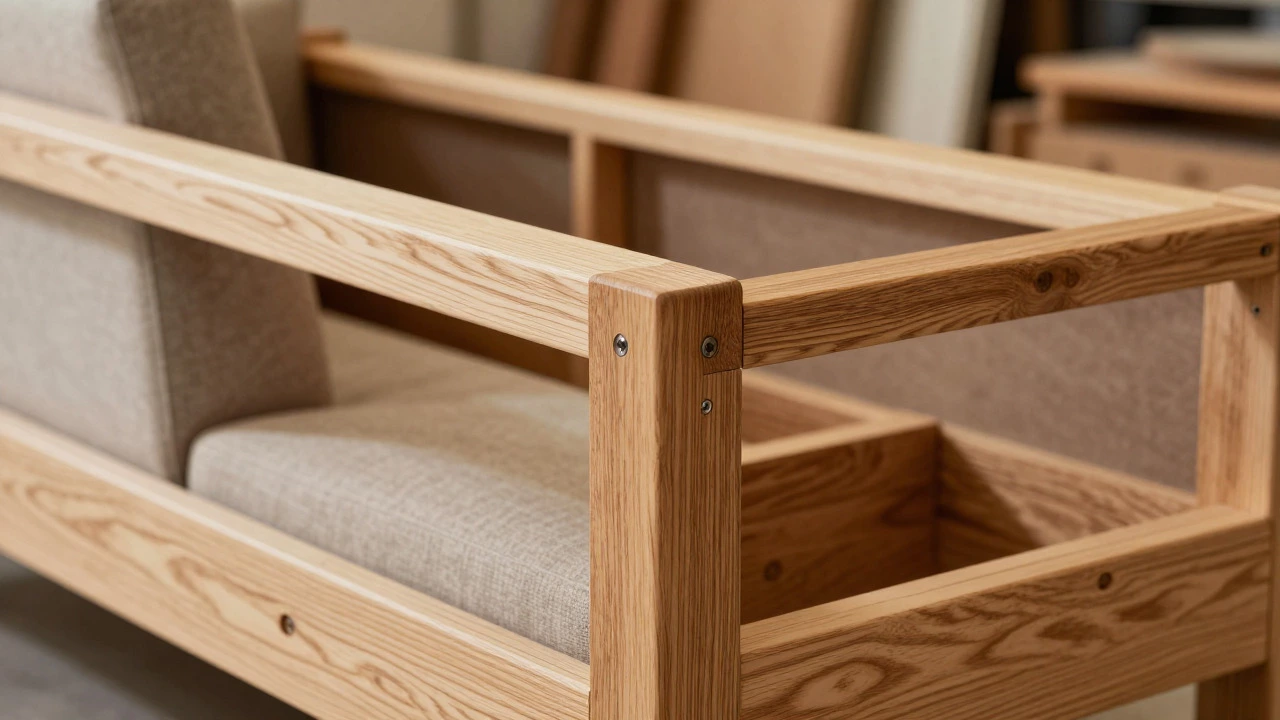
Before you even touch the fabric, you need to know what’s underneath. The frame is the backbone of any seating furniture. If the frame fails, the whole sofa collapses, no matter how nice the cushions are. There are two main types of frames you’ll encounter in the market: solid wood and engineered wood (like particleboard or plywood).
Solid hardwood frames, particularly those made from kiln-dried oak, maple, or beech, are the gold standard for longevity. Kiln-drying removes moisture from the wood, preventing it from warping or cracking as seasons change. When you inspect a sofa in-store, ask if the frame is solid wood. A reputable retailer should have no problem confirming this. If they hesitate or use vague terms like "wooden components," that’s often a red flag for lower-grade materials.
Engineered woods aren’t inherently bad, but they lack the tensile strength of solid timber. Particleboard, for instance, can swell and break if exposed to humidity, which is common in many Canadian homes during summer months. Plywood is better than particleboard but still inferior to solid hardwood for long-term structural integrity. For a sofa meant to last a decade or more, insist on a solid hardwood frame with corner-blocked joints. Corner blocking involves adding extra wooden blocks at the corners of the frame, reinforced with screws or dowels, which prevents the structure from racking or shifting over time.
Fabric Face-Off: Leather vs. Performance Weaves
Once you’ve secured a sturdy frame, the next critical factor is the upholstery. This is where personal preference meets practical durability. Generally, you have three main contenders: leather, performance fabrics, and traditional weaves like cotton or linen.
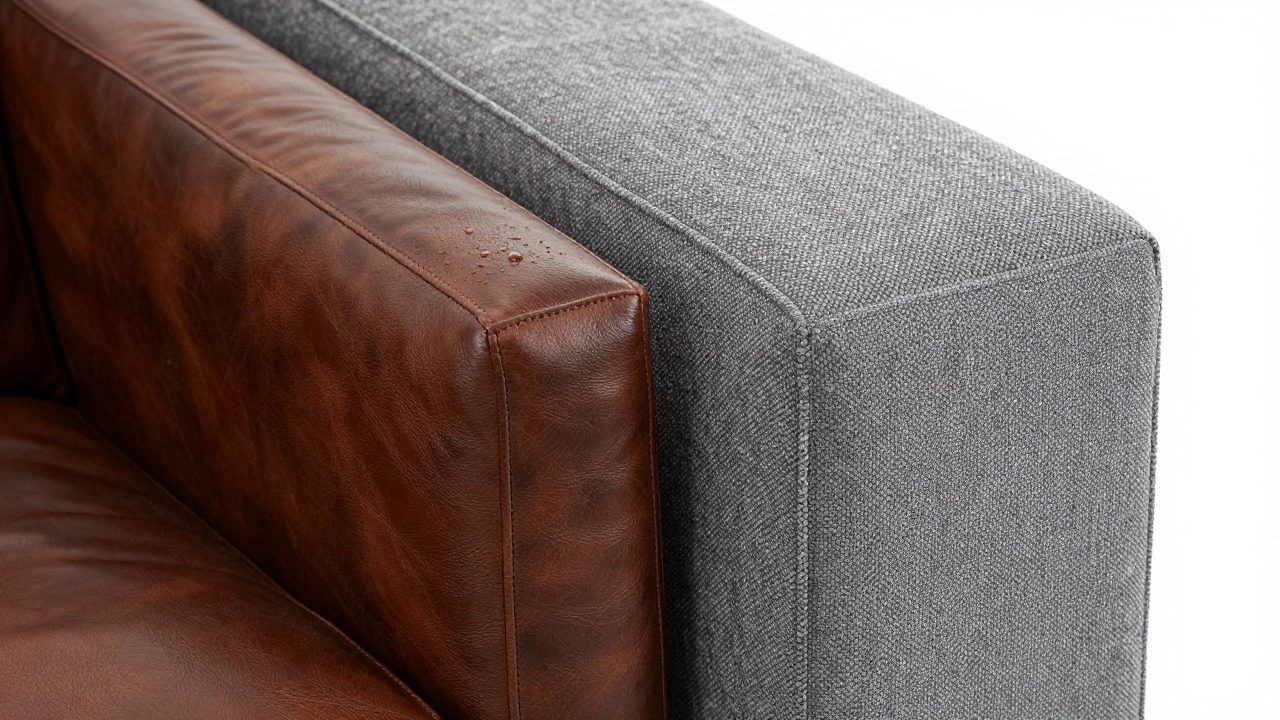
Full-grain leather is a natural material derived from the top layer of animal hide, known for its exceptional durability and ability to develop a patina over time. Unlike bonded leather, which is made from scraps glued together and tends to peel, full-grain leather ages gracefully. It resists stains naturally because liquids bead on the surface rather than soaking in immediately. However, it requires maintenance. In Toronto, where winters are dry, leather can crack if not conditioned regularly. But if you keep up with a simple cleaning routine, a high-quality leather sofa can easily outlast its fabric counterparts by several years.
On the other side of the spectrum, you have performance fabrics. These are synthetic blends, often polyester or nylon, treated with stain-resistant coatings. Brands like Crypton or Sunbrella have popularized these materials. They are incredibly tough against spills, pet hair, and fading from sunlight. If you have kids or pets, performance fabrics are often the pragmatic choice. They don’t age as beautifully as leather, but they offer a "set it and forget it" durability that appeals to busy households.
Traditional natural fibers like cotton and linen are beautiful but fragile. Cotton absorbs stains quickly and wrinkles easily. Linen is breathable and elegant but prone to tearing if snagged. Unless you treat them with heavy-duty protective sprays and handle them with care, these materials usually have a shorter lifespan compared to synthetics or leather.
| Material Type | Durability Rating | Maintenance Level | Best For |
|---|---|---|---|
| Full-Grain Leather | High (10+ years) | Medium (Conditioning required) | Long-term investment, classic style |
| Performance Fabric (Poly/Nylon) | Very High (8-12 years) | Low (Wipe clean) | Pets, children, high traffic areas |
| Bonded Leather | Low-Medium (3-5 years) | Low | Budget options, short-term use |
| Natural Linen/Cotton | Medium (5-7 years) | High (Spot cleaning, ironing) | Guest rooms, low-use spaces |
Cushion Core: Density is King
You might think the frame and fabric are the only important parts, but the cushions determine how the sofa *feels* and whether it sags. Sagging happens when the internal support loses its shape. This is directly related to the density of the foam used.
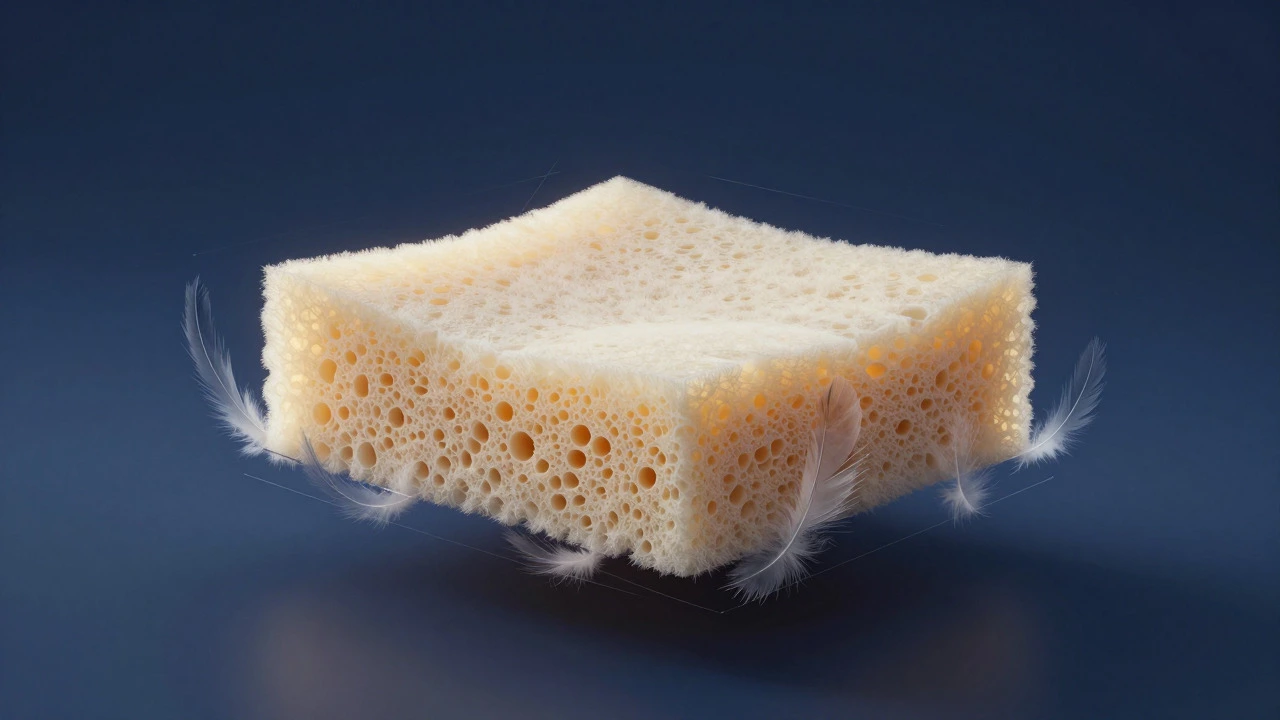
Standard office chair foam is often around 1.8 to 2.0 pounds per cubic foot (PCF). For a sofa, you want something significantly denser. Look for high-resilience (HR) foam with a density of at least 2.5 PCF for seat cushions. Back cushions can be slightly lower, around 1.8 to 2.0 PCF, since they bear less weight. If a manufacturer doesn’t specify the foam density, assume it’s on the lower end.
Another option is feather-down or a blend of foam and down. Pure down is luxurious but compresses permanently over time unless it has a solid foam core. A hybrid approach-foam wrapped in down-offers the best of both worlds: the initial bounce of foam and the plush comfort of feathers. Just remember, down-filled cushions need regular fluffing to maintain their shape, whereas high-density foam holds its form with minimal effort.
Construction Details That Make or Break a Sofa
Even with great materials, poor construction can ruin a sofa. Pay attention to how the pieces are joined. Stapled seams are common, but double-stitching or bar-tacked seams at stress points (like armrests and corners) add significant strength. Bar tacks are small, tight stitches that reinforce high-tension areas, preventing the fabric from ripping when you lean back heavily.
Also, check the legs. Wood legs attached with metal brackets are generally more stable than plastic or metal-only legs. Ensure the legs are screwed into the frame, not just glued. Glue can fail over time, especially in fluctuating temperatures, while screws provide mechanical hold.
How to Test Durability Before You Buy
When you’re in the store, don’t just sit on the sofa gently. Test it like you would at home. Sit on the edge and lean back. Feel for any creaking or flexing in the frame. Press firmly into the seat cushions and release. Do they spring back to their original shape immediately, or do they stay indented? If they stay indented, the foam density is likely too low.
Inspect the stitching under the arms and along the base. Run your fingers over the seams. If you feel loose threads or uneven stitching, walk away. Check the zipper covers on removable cushions; they should slide smoothly without catching. Finally, ask for the warranty details. A durable sofa typically comes with a 5-to-10-year warranty on the frame and a 1-to-3-year warranty on the upholstery. If the warranty is only one year across the board, the manufacturer may not be confident in their product’s longevity.
FAQ
Is leather really more durable than fabric?
Generally, yes. Full-grain leather is resistant to tears, stains, and wear. While fabric can fade or pill over time, leather develops a patina that often enhances its appearance. However, leather requires regular conditioning to prevent drying and cracking, especially in dry climates.
What is the best foam density for sofa cushions?
For seat cushions, aim for a high-resilience foam density of at least 2.5 pounds per cubic foot (PCF). This ensures the cushion maintains its shape and provides adequate support over many years of use. Lower densities tend to flatten and sag faster.
How can I tell if a sofa has a solid wood frame?
Ask the retailer directly for the frame specifications. Reputable brands will clearly state if the frame is made of solid hardwood (like oak or maple) and if it is kiln-dried. If the label says "wood veneer" or "engineered wood," it is not solid hardwood. You can also lift the sofa slightly; a solid wood frame will feel heavier and stiffer than one made of particleboard.
Are modular sofas durable?
Modular sofas can be just as durable as traditional ones, provided they are built with the same high-quality materials. The key is checking the individual modules' frames and cushions. Some modals use lighter materials to reduce shipping costs, so verify the construction specs for each section before buying.
How long does a well-made sofa last?
A well-made sofa with a solid hardwood frame, high-density foam, and quality upholstery can last 10 to 15 years or more. With proper care, such as rotating cushions and protecting from direct sunlight, some sofas remain functional for decades.





Feb 22 2025