GST/HST Registration Calculator
In Canada, you must register for GST/HST with the CRA if your gross revenue from manufacturing sales exceeds $30,000 in a calendar year. This calculator helps you determine if you need to register based on your annual sales.
Registration Requirement:
Annual Sales:
Threshold: $30,000 CAD
Next Steps
Ever seen a local workshop making custom wooden tables, a home-based baker selling cookies at the farmers market, or a garage team assembling LED light strips? They’re all producing things people buy. But are they manufacturers? It’s not as simple as it sounds. The word manufacturer gets thrown around a lot-sometimes for anyone who makes something. But legally, economically, and practically, there’s a real line between a hobbyist and a manufacturer-even if you’re only making ten units a week.
It’s Not About Size, It’s About Purpose
A manufacturer isn’t defined by how big the factory is or how many employees you have. It’s defined by intent. If you’re making something with the goal of selling it to others-not just giving it away, not just for personal use, not just as a side project-you’re crossing into manufacturer territory. That’s true whether you’re cranking out 500 units a month or just 10. Think of it this way: if you bake bread for your family, you’re a home cook. If you bake bread and sell it to neighbors every Saturday, you’re a manufacturer. The scale doesn’t change the category-it’s the act of commercial production that does. In Canada, the Canada Revenue Agency (CRA) treats you as a business operator once you start generating income from production, regardless of volume. That means you need to track expenses, report income, and possibly register for GST/HST. You don’t need a warehouse or a logo. You just need to be selling what you make.What Makes a Manufacturer Different from a Maker or Artisan?
People often use “maker,” “craftsperson,” or “artisan” to describe small-scale producers. And yes, many small manufacturers are also makers. But there’s a subtle but important difference. A maker focuses on the process-the joy of building, the uniqueness of each piece. Their output might be one-of-a-kind, hand-finished, and sold at craft fairs. They might not even keep formal records. A manufacturer focuses on repeatable output. Even if each item is slightly different, the core process is standardized. You’re producing something that can be replicated. You’re thinking about materials sourcing, unit cost, packaging, and distribution. You might only make 20 units a week, but you’re doing it on a schedule, with the expectation of consistent sales. That’s why a small leatherworker who uses the same pattern, tooling, and tanning process for every belt-and sells them through Etsy-is a manufacturer. A potter who makes one unique vase every month for friends? Not quite.Legal and Tax Implications
In Canada, the line gets real when taxes and regulations come into play. You don’t need a corporate structure to be a manufacturer. But once you start selling, you trigger certain obligations. - If your gross revenue from manufacturing sales exceeds $30,000 in a calendar year, you must register for GST/HST with the CRA. - You must keep records of all sales, materials purchased, and production costs. - If you’re using chemicals, food-grade materials, or electrical components, you may need to comply with health, safety, or product standards (like Health Canada’s Consumer Product Safety Act). - If you’re selling online across provinces, you need to charge the correct tax rate based on the buyer’s location. You don’t need to be a corporation. Sole proprietorships are the most common structure for small manufacturers in Canada. But you still need to treat your activity as a business-not a hobby.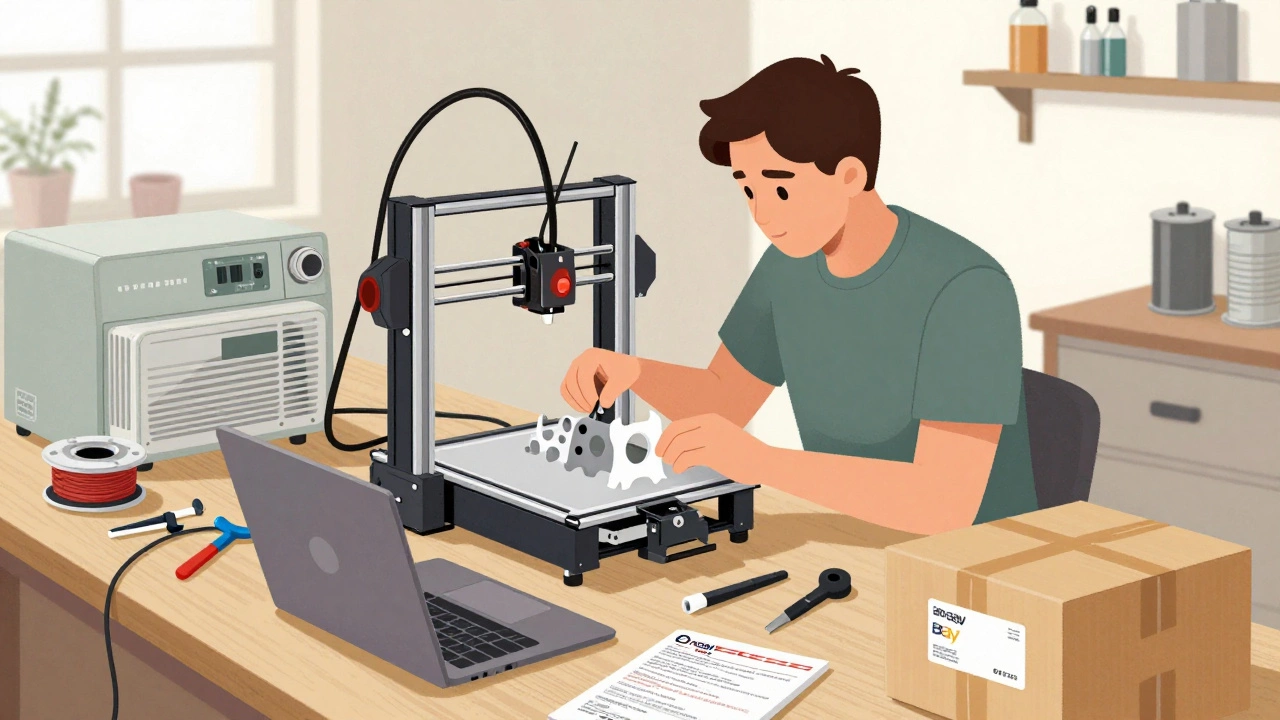
Product Standards and Liability
Here’s where many small manufacturers get caught off guard. Just because you’re small doesn’t mean you’re exempt from safety rules. If you make children’s toys, you must meet the Canadian Toy Safety Regulations (SOR/2011-17). If you make candles, you need to follow labeling rules for flammability warnings. If you make kitchenware with non-stick coatings, you’re subject to Health Canada’s Food and Drug Regulations. In 2023, a Toronto-based maker who sold handmade ceramic mugs without lead-free certification was ordered to recall 200 units by Health Canada. She wasn’t a big company. She worked out of her basement. But because she sold them commercially, she was held to the same standards as a large producer. Liability matters too. If your product causes harm-even if you only sold five of them-you can be sued. That’s why many small manufacturers get product liability insurance. It’s not expensive-often under $500 a year-and it’s one of the smartest moves you can make.Who Isn’t a Manufacturer?
Not everyone who makes something qualifies. Here are clear cases where someone is not a manufacturer:- You repair broken appliances in your garage and charge for labor-but you don’t make new parts.
- You knit scarves as gifts for family and occasionally give one to a friend who insists on paying you.
- You build custom furniture for your own home and sell one extra piece after moving.
- You repackage bulk coffee beans you bought wholesale and sell them as your own brand-this is reselling, not manufacturing.
Examples of Small-Scale Manufacturers in 2026
Here are real, working examples from across Canada:- A single person in Hamilton who uses a 3D printer to make custom replacement parts for vintage appliances. She sells them on eBay. She files quarterly GST and keeps receipts for filament and shipping.
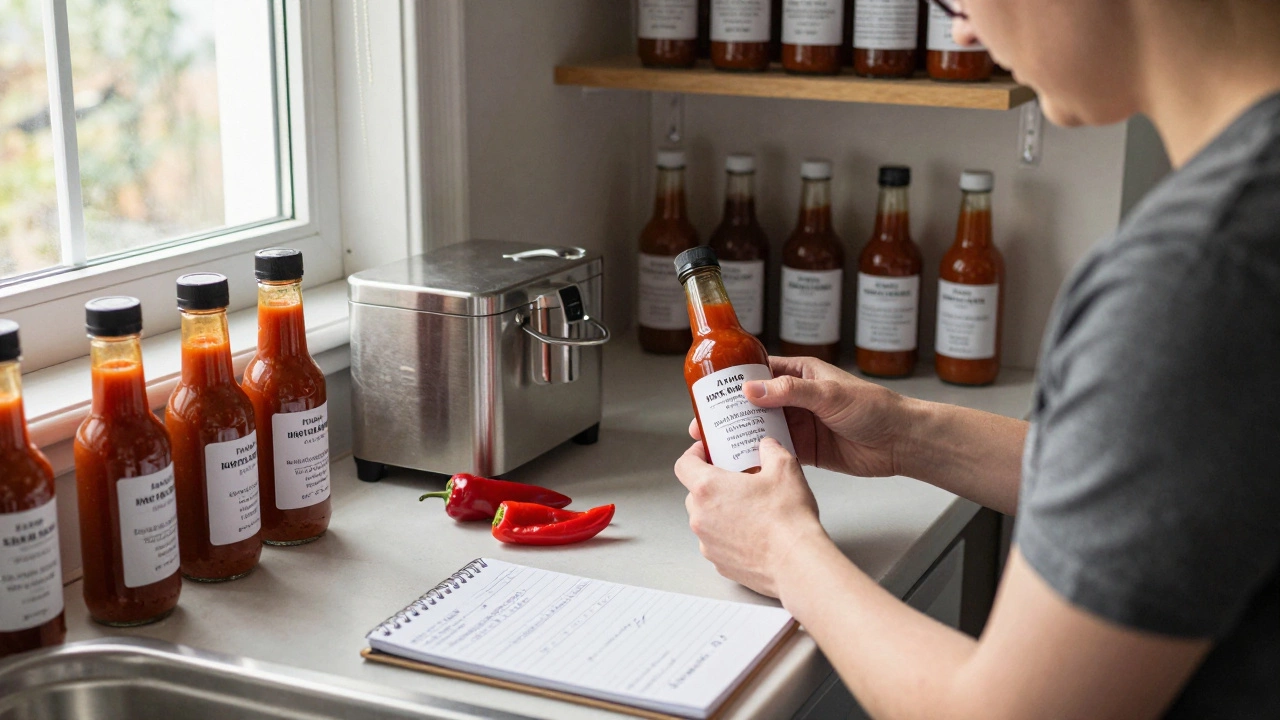
- A couple in Halifax who ferment hot sauce in their kitchen using local peppers. They bottle it in 100ml glass jars, label them, and sell at weekend markets. They’ve been registered with CRA since year two.
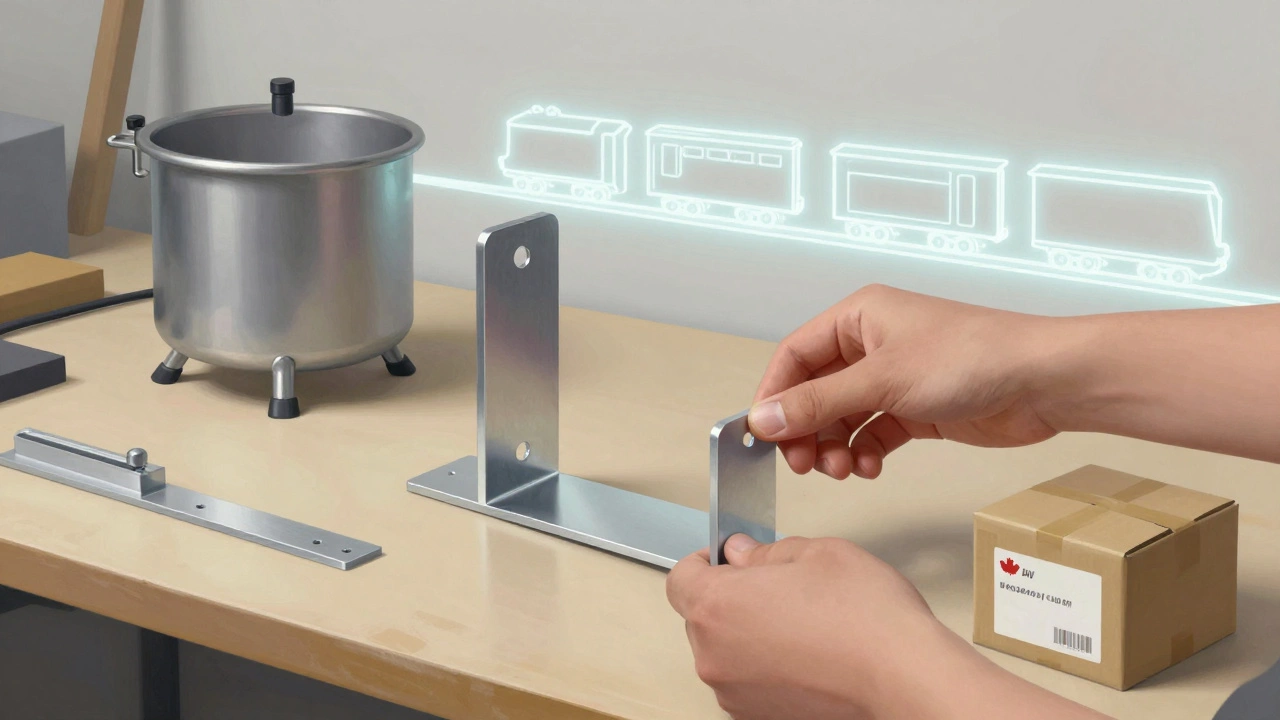
- A former machinist in Windsor who builds small metal brackets for model trains. He orders raw aluminum, cuts and anodizes it himself, and ships orders via Canada Post. He doesn’t have a storefront. But he’s a manufacturer.
What You Need to Start
You don’t need a lot to become a small-scale manufacturer. But you do need structure:- Define your product clearly-what it is, what it’s made of, how it’s made.
- Track all costs: materials, tools, packaging, shipping, marketing.
- Register for a business number with the CRA (free).
- Register for GST/HST if your sales hit $30,000/year.
- Understand the safety rules that apply to your product category.
- Keep simple records-spreadsheets work fine at first.
Why This Matters
Recognizing yourself as a manufacturer isn’t about ego. It’s about protection. When you understand your legal and financial responsibilities, you avoid fines, recalls, and lawsuits. You also open doors-like applying for small business grants, qualifying for commercial insurance, or even partnering with local retailers. In 2025, Statistics Canada reported that over 18,000 small manufacturers in Canada generated $1.7 billion in revenue. Most of them had fewer than five employees. Some had none. But they all knew what they were: manufacturers. You don’t need to be the next Apple to be a manufacturer. You just need to make something, sell it, and treat it like a business.Can I call myself a manufacturer if I only make 5 items a week?
Yes. The number of units you produce doesn’t determine if you’re a manufacturer-it’s whether you’re selling what you make. Even one sale per week, if it’s consistent and commercial, qualifies you as a manufacturer under Canadian business law.
Do I need to register my business to be a manufacturer?
You don’t need to incorporate, but you do need a business number from the CRA if you’re selling goods for profit. This is free and takes under 10 minutes online. Without it, you can’t legally collect GST/HST or claim business expenses.
Is selling on Etsy the same as being a manufacturer?
No-selling on Etsy makes you a retailer or seller. But if you’re making the products yourself from raw materials, you’re both a manufacturer and a seller. The platform doesn’t change your role-it just changes your sales channel.
What if I use pre-made components to assemble my product?
You can still be a manufacturer. Many small manufacturers buy parts like circuit boards, fabric, or metal blanks and assemble them into finished goods. As long as you’re adding significant value through assembly, finishing, or design, you qualify as a manufacturer-not just a reseller.
Do I need product liability insurance?
It’s not legally required for most small manufacturers, but it’s strongly recommended. A single lawsuit over a defective product can cost more than your entire business is worth. Basic policies start at $300-$600 per year and cover legal fees and damages.