Manufacturing Business Profit Estimator
Select a manufacturing idea to see estimated startup costs, required skills, and potential monthly earnings.
Custom Packaging
Tailored boxes and mailers for e-commerce brands.
Design Skill High MarginOrganic Soaps
Handcrafted soaps using natural ingredients.
Low Skill Very High MarginLaser Cutting
Personalized goods like wood signs and jewelry.
Software Skill High MarginFurniture Upcycling
Restoring old furniture with modern twists.
Carpentry Skill Variable MarginSpecialty Foods
Hot sauces, jams, and spice blends.
Cooking Skill High MarginBusiness Analysis
Key Success Factors:
Launch Steps:
Common Pitfalls:
Most people think starting a manufacturing business is a complex industrial operation requiring massive factories and heavy machinery. The truth is quite different. In 2026, technology has democratized production. You don't need a sprawling plant to make money; you just need a reliable process, a clear market need, and a lean approach. If you are looking for the easiest path into this sector, the answer lies in small scale manufacturing is low-cost, low-complexity production that can often start from a garage or small workshop.
The "easiest" business isn't necessarily the one with the least work-it's the one with the lowest barrier to entry, the fastest route to cash flow, and the simplest supply chain. When we strip away the noise, certain models stand out because they require minimal upfront capital, have readily available raw materials, and face consistent consumer demand. Let’s look at what actually works right now.
Why Small Scale Manufacturing Wins Right Now
The landscape of business has shifted dramatically. Consumers are tired of generic, mass-produced items shipped from halfway across the world with long lead times. They want local, customized, and sustainable products. This shift creates a golden opportunity for micro-factories is very small production units that focus on niche products and rapid turnaround.
Starting small allows you to test your product without risking your life savings. You can pivot quickly if something isn’t working. Unlike large-scale operations, where changing direction costs millions, a small batch producer can switch designs overnight. Plus, digital marketing tools make it easier than ever to find your first customers before you even produce your second batch.
- Low Capital Risk: Most easy-to-start businesses require under $5,000 to launch.
- Agility: You can adapt to trends faster than big competitors.
- Personal Touch: Customers value the story behind handmade or locally made goods.
Top 5 Easiest Manufacturing Ideas to Launch
Not all manufacturing ideas are created equal. Some require hazardous material handling, others need specialized licenses. Here are five categories that balance ease of entry with solid profit potential.
1. Custom Packaging and Boxes
E-commerce is still booming, and every online seller needs packaging. Custom packaging is tailored boxes, mailers, and inserts designed to protect products and enhance brand identity. You don’t need a giant printing press. A high-quality die-cutting machine and a good graphic design skill set are enough to start. Many small brands will pay a premium for boxes that unbox beautifully. The raw material-cardboard-is cheap and everywhere.
2. Organic Soaps and Candles
This is a classic for a reason. Artisan soap making is the process of creating handcrafted soaps using natural ingredients like oils, butters, and essential oils. The chemistry is straightforward, and the equipment is affordable. Molds, scales, and mixing bowls cost less than $200. The key here is branding. People buy these products for the scent, the look, and the feeling of self-care. If you can create a unique scent profile or a beautiful aesthetic, you have a viable business. Regulations are manageable if you stick to cold-process methods and proper labeling.
3. Laser-Cut Personalized Goods
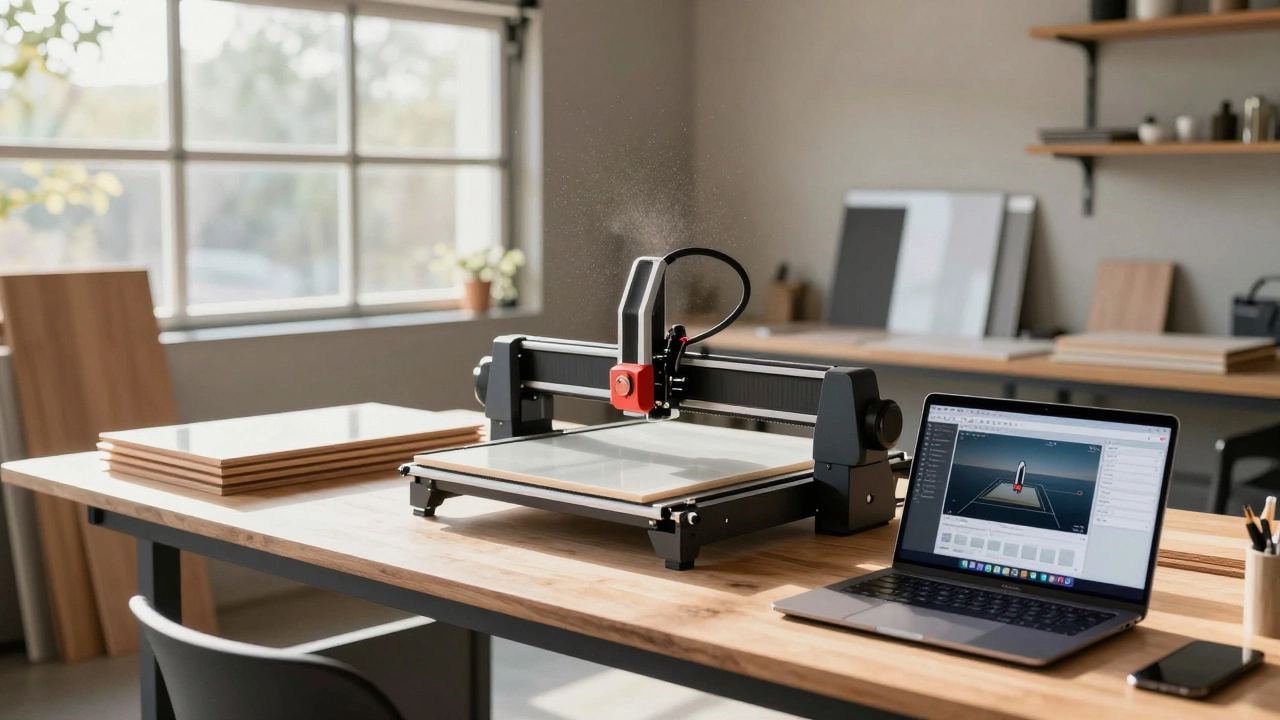
A CO2 laser cutter is a versatile tool that cuts and engraves wood, acrylic, leather, and fabric with high precision. is a game-changer for small businesses. With one machine, you can produce cutting boards, phone cases, jewelry, home decor, and corporate gifts. The initial investment is around $1,500-$3,000 for a decent desktop unit. The margin on personalized items is huge because customers are paying for customization, not just the material. Wood and acrylic sheets are inexpensive, and the designs are digital, meaning zero waste until you cut.
4. Repurposed Furniture and Wood Products
If you have basic carpentry skills, Furniture upcycling is restoring old or discarded furniture pieces to new condition, often adding modern twists or paint. is incredibly profitable. Source free or cheap furniture from thrift stores or curbside pickups. Sand, paint, or refinish them, and sell them on platforms like Etsy or Facebook Marketplace. The cost of goods sold is near zero, and the perceived value is high. You’re selling sustainability and style. This requires more physical labor but very little financial risk.
5. Specialty Food Products
Think hot sauces, jams, granola, or spice blends. Specialty food manufacturing is producing niche food items in small batches, often focusing on unique flavors or dietary needs. Check your local "cottage food laws." In many places, you can produce certain non-perishable foods in your home kitchen without a commercial license. The margins are excellent because ingredients are cheap, but the perceived value of a unique flavor profile is high. Marketing relies heavily on social media visuals and samples.
Comparing Your Options: Which Fits You?
| Business Idea | Startup Cost | Skill Level Needed | Regulatory Hurdles | Profit Margin |
|---|---|---|---|---|
| Custom Packaging | $1,000 - $3,000 | Moderate (Design) | Low | High |
| Soaps & Candles | $200 - $1,000 | Low | Medium (Labeling) | Very High |
| Laser Cutting | $1,500 - $3,000 | Moderate (Software) | Low | High |
| Furniture Upcycling | $100 - $500 | High (Carpentry) | None | Variable |
| Specialty Foods | $300 - $800 | Low (Cooking) | Medium (Health Codes) | High |

Step-by-Step: How to Launch Without Getting Overwhelmed
You don’t need a business degree to start. You need a plan. Follow these steps to keep things simple and avoid common pitfalls.
- Validate Before You Build: Don’t spend money on inventory yet. Create mockups or prototypes. Show them to friends, family, or online communities. Ask if they would buy it and at what price. If no one cares, tweak the idea before spending a dime.
- Start with a Minimum Viable Product (MVP): Produce a small batch. Maybe 10 units. Sell them manually. This teaches you about customer service, shipping, and real-world product flaws.
- Source Smart: Use Alibaba or local suppliers for raw materials. Negotiate prices. Remember, your cost of goods sold (COGS) must be low enough to allow for marketing, shipping, and profit. Aim for a COGS that is 20-30% of your retail price.
- Build a Simple Online Store: You don’t need a custom website. Use Shopify, Etsy, or Amazon Handmade. These platforms handle payments and security for you. Focus on great photos and clear descriptions.
- Market Organically First: Use Instagram, TikTok, and Pinterest. Show the making-of process. People love seeing how things are made. It builds trust and desire. Reinvest early profits into paid ads only when organic growth plateaus.
Common Mistakes That Kill New Businesses
Even the best ideas fail if executed poorly. Watch out for these traps.
- Overcomplicating the Product: Start with one hero product. Don’t launch with 20 variations. It confuses customers and complicates your inventory. Master one thing, then expand.
- Ignoring Legalities: Even small businesses need proper registration. Get an EIN, register your business name, and check local zoning laws. For food or cosmetics, understand FDA or local health department requirements. Ignorance isn’t a defense.
- Pricing Too Low: Many beginners price based on material cost alone. You must include labor, overhead, packaging, and profit. If you don’t pay yourself, you’re volunteering, not running a business.
- Scaling Too Fast: Resist the urge to buy expensive equipment immediately. Rent or lease if possible. Grow your infrastructure as your revenue grows, not before.

The Role of Technology in Modern Manufacturing
In 2026, you are not alone in your workshop. Software helps you manage everything. Use inventory management apps to track stock. Use accounting software like QuickBooks or Wave to keep finances clean. Use AI tools to generate marketing copy or design ideas. Technology levels the playing field, allowing a one-person shop to compete with larger entities by being more efficient and responsive.
Consider integrating e-commerce platforms directly with your production schedule. When an order comes in, it triggers your production workflow. This reduces waste and ensures you always have fresh stock. This "just-in-time" manufacturing model is the holy grail for small businesses.
Final Thoughts on Choosing Your Path
The easiest business to start is the one that aligns with your existing skills and interests. If you love cooking, go for specialty foods. If you’re tech-savvy, try laser cutting. If you’re creative with design, custom packaging is your bet. Passion fuels persistence, and persistence is what separates successful entrepreneurs from those who quit after three months.
Remember, perfection is the enemy of progress. Your first product won’t be perfect. Your first marketing campaign might flop. That’s normal. Learn, adjust, and keep going. The manufacturing industry rewards those who can deliver quality consistently and build genuine connections with their customers. Start small, stay lean, and grow smart.
What is the cheapest manufacturing business to start?
Furniture upcycling and artisan soap making are among the cheapest options. You can start furniture upcycling with under $100 by sourcing free materials and using basic tools. Soap making requires molds, oils, and lye, which typically cost between $200 and $500 depending on the quality of ingredients and equipment.
Do I need a factory to start a manufacturing business?
No, you do not need a traditional factory. Many successful manufacturing businesses start in garages, basements, or shared maker spaces. As long as you comply with local zoning laws and safety regulations, you can produce goods in a home-based setup, especially for non-hazardous products like crafts, food, or textiles.
How much money can I make from small scale manufacturing?
Income varies widely based on the product and market. However, small scale manufacturing often boasts high profit margins (50-70%) because of lower overhead. A dedicated entrepreneur can earn $3,000 to $10,000 per month within the first year, scaling up significantly as they optimize processes and expand their customer base.
Is laser cutting a good business idea?
Yes, laser cutting is a highly versatile and profitable business idea. It allows you to serve multiple niches-from personal gifts to corporate branding-with a single machine. The ability to customize products instantly adds significant value, allowing for higher price points. The main challenge is mastering the design software and managing material costs.
What are the legal requirements for home-based manufacturing?
Requirements vary by location, but generally include registering your business entity, obtaining an Employer Identification Number (EIN), and securing local permits. For specific industries like food or cosmetics, you may need additional certifications or inspections from health departments. Always consult local regulations and consider hiring a small business attorney for compliance.

Apr 16 2025


Feb 12 2025
Dec 15 2024