Find Your Ideal Furniture Brand
Select your primary priorities below to find the brand that matches your lifestyle.
Please select one option from each category.
Top Recommendation
Who actually owns the biggest slice of the Indian furniture pie in 2026? It’s not a simple answer. If you look at revenue alone, Pepperfry often claims the title of the largest organized furniture retailer by gross merchandise value (GMV) and digital footprint. However, if you measure by physical store presence and traditional retail dominance, brands like Godrej Interio and Havells HomeStyle hold massive ground. The landscape has shifted dramatically since 2023, with consolidation, aggressive expansion into tier-2 cities, and a hybrid model becoming the norm.
The question isn't just about who sells the most sofas; it's about understanding the structural shift from unorganized carpenters to organized, branded entities. This article breaks down the contenders, their strategies, and why the "largest" label depends on how you define success in today's market.
The Digital Giant: Why Pepperfry Leads in Scale
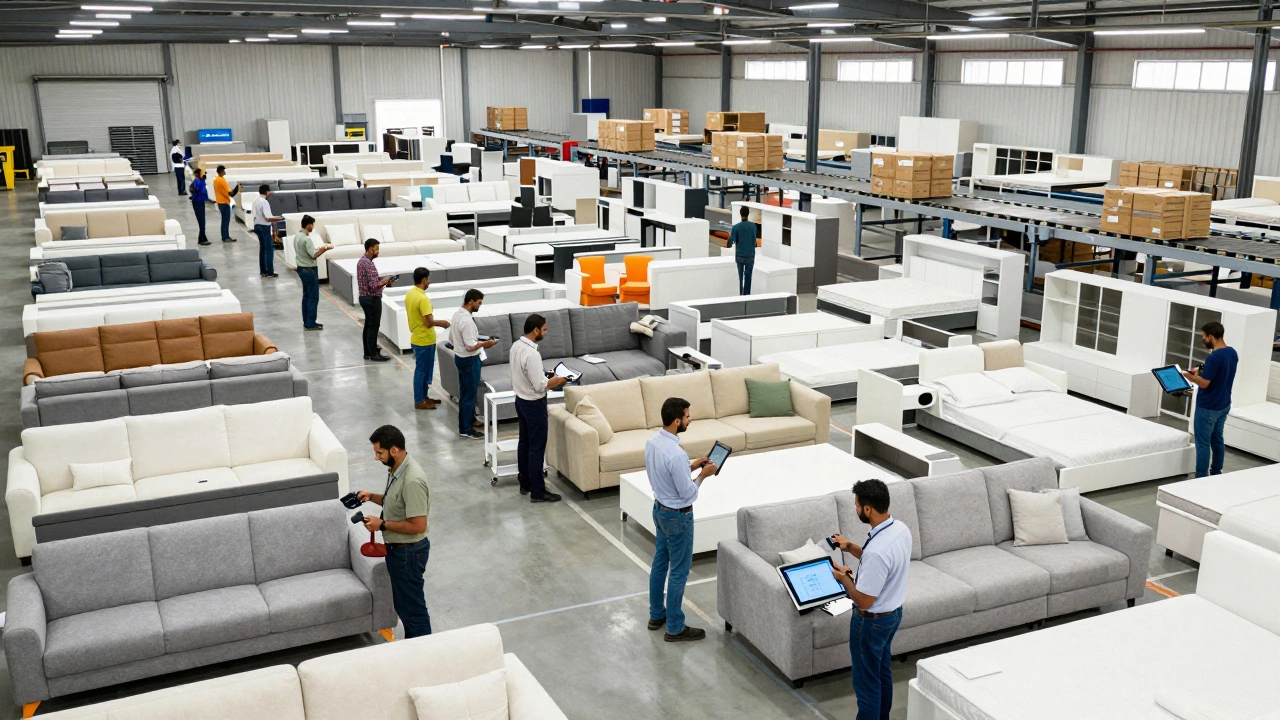
When people ask for the largest furniture brand in India, Pepperfry is usually the first name that comes up. Founded in 2011, Pepperfry didn't just sell furniture; it built an entire ecosystem around home furnishing. By 2026, Pepperfry operates as a full-stack retailer, managing its own supply chain, manufacturing units, and last-mile delivery logistics.
What sets Pepperfry apart is its scale. They handle millions of orders annually across thousands of SKUs. Their ability to aggregate hundreds of smaller manufacturers under one roof allows them to offer a price range that no single manufacturer can match. For the average consumer looking for everything from a ₹500 bedsheet to a ₹50,000 modular kitchen, Pepperfry provides the widest selection.
- Market Position: Leader in online furniture sales volume.
- Key Advantage: Aggregated inventory and competitive pricing.
- Target Audience: Young professionals, first-time homeowners, and budget-conscious buyers.
However, being the largest by volume doesn't mean they have the highest profit margins per item. Their business model relies on high turnover and low customer acquisition costs through strong SEO and digital marketing. In 2025, Pepperfry expanded its offline presence with "Experience Centers," blurring the line between pure e-commerce and brick-and-mortar retail.
The Legacy Powerhouse: Godrej Interio
If you shift the metric from "online sales" to "brand trust" and "corporate contracts," Godrej Interio takes the crown. As part of the Godrej Group, this brand has been a household name for decades. Unlike newer D2C (Direct-to-Consumer) brands, Godrej Interio benefits from deep-rooted trust in quality and durability.
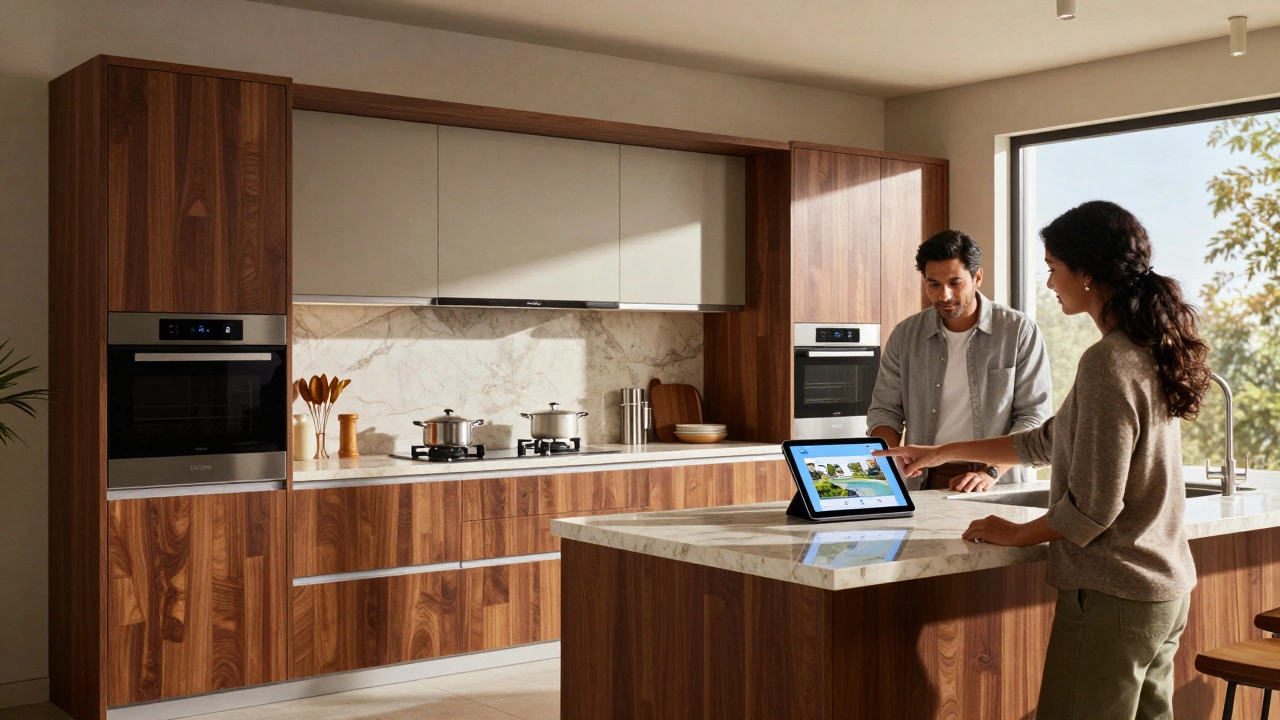
In 2026, Godrej Interio dominates the modular kitchen and wardrobe segment. These are high-ticket items where customers rarely buy impulsively online. They want to see, touch, and discuss configurations with experts. Godrej’s extensive network of showrooms across major metros and tier-2 cities gives them a logistical advantage that purely online brands struggle to replicate.
Furthermore, Godrej Interio holds a significant share of the B2B sector. Hotels, offices, and co-working spaces often prefer Godrej due to their established after-sales service networks. While Pepperfry might sell more individual chairs, Godrej Interio likely generates higher revenue per square foot of retail space.
The Rising Contenders: Urban Ladder and Wakefit
You can’t talk about India’s largest brands without mentioning Urban Ladder. Once the premium alternative to Pepperfry, Urban Ladder has carved out a niche in aesthetic-driven, designer furniture. Owned by Reliance Industries’ JioMart ecosystem, Urban Ladder has access to massive distribution channels and data insights.
While Pepperfry wins on breadth, Urban Ladder wins on depth in specific categories like living room decor and bedroom sets. Their branding focuses heavily on lifestyle aspiration, appealing to urban millennials who prioritize design over sheer utility.
Another player worth noting is Wakefit, which started as a mattress-only brand but has aggressively expanded into beds, wardrobes, and sofas. By 2026, Wakefit has become a key player in the "essential sleep and rest" category, leveraging its direct-to-consumer model to undercut traditional retailers on price while maintaining perceived quality.
Comparison: Who Is Really the Largest?
| Brand | Primary Strength | Sales Channel Focus | Price Segment |
|---|---|---|---|
| Pepperfry | Scale & Variety | Online + Experience Centers | Budget to Mid-Range |
| Godrej Interio | Trust & Modular Solutions | Offline Showrooms + Online | Mid to Premium |
| Urban Ladder | Design & Aesthetics | Online + JioMart Integration | Premium |
| Wakefit | Sleep Essentials | D2C Online | Affordable Premium |
| Havells HomeStyle | Modular Kitchens | Offline Partnerships | Premium |
The Unorganized Sector: The Elephant in the Room
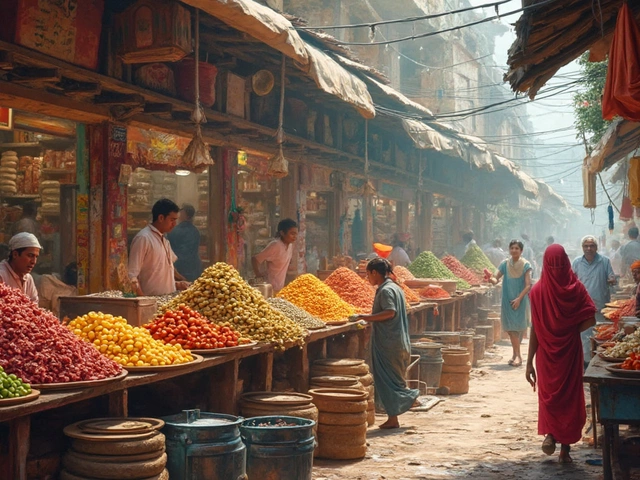
It is crucial to acknowledge that even the "largest" organized brand holds less than 15% of the total Indian furniture market. The majority of Indians still buy furniture from local carpenters, small workshops, or unbranded markets like Delhi’s Sarojini Nagar or Mumbai’s Crawford Market.
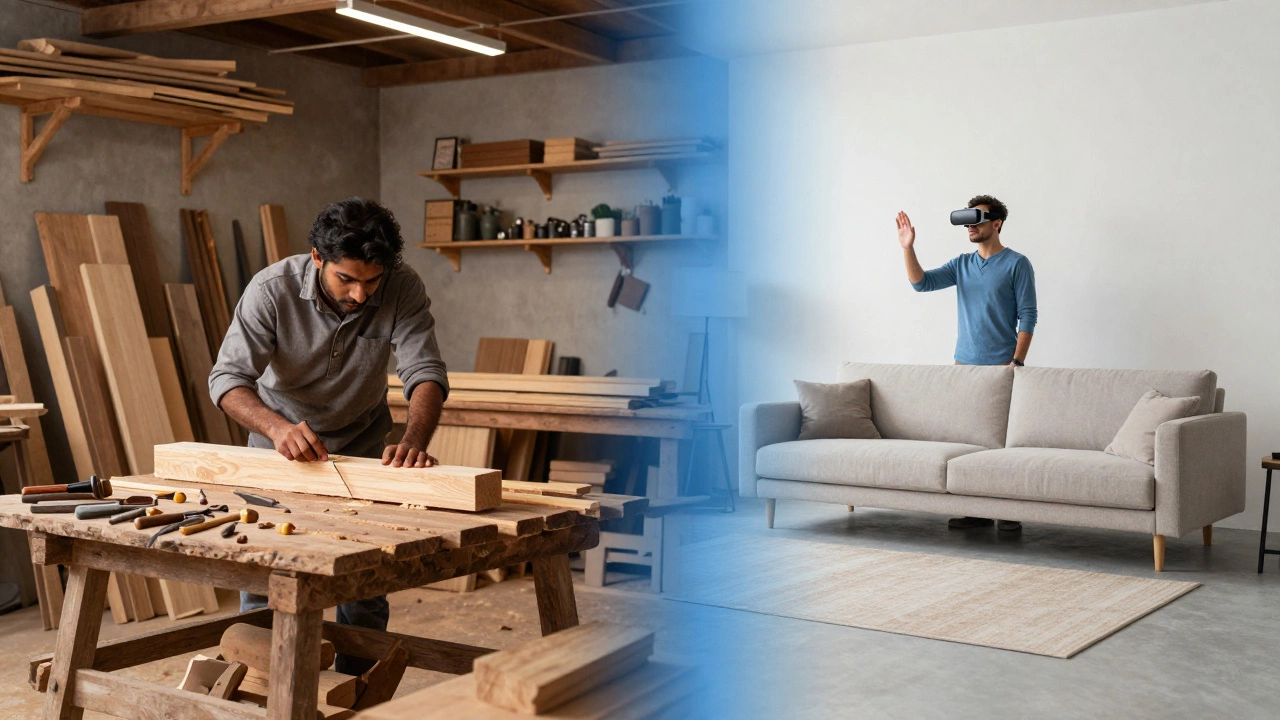
This fragmentation presents both a challenge and an opportunity. For large brands, the challenge is convincing consumers to switch from trusted local artisans to branded entities. The opportunity lies in standardizing quality, offering warranties, and providing design services-things local carpenters typically cannot offer.
Brands like Pepperfry and Godrej are actively trying to bridge this gap by offering "semi-modular" solutions that allow for customization, mimicking the flexibility of local carpentry but with the reliability of industrial manufacturing.
Why Size Matters: Supply Chain and Logistics
Being the largest brand isn't just about marketing; it's about logistics. Furniture is bulky, fragile, and expensive to ship. The cost of reverse logistics (returns) can destroy profitability.
Larger brands invest heavily in warehousing and last-mile delivery partnerships. Pepperfry, for instance, uses AI to predict demand patterns in different regions, allowing them to stock inventory closer to end-users. This reduces delivery times from weeks to days, a critical factor in customer satisfaction.
Smaller brands struggle with this scale. They often rely on third-party logistics providers who may not handle furniture with care, leading to damage during transit. This operational efficiency is a hidden metric of "largeness"-the ability to deliver a heavy sofa intact to a fifth-floor apartment in Bangalore without a lift.
Future Trends: What Will Define the Largest Brand in 2030?
The definition of the largest furniture brand will continue to evolve. Here are three key trends shaping the future:
- Sustainability: Consumers are increasingly aware of environmental impact. Brands using reclaimed wood, eco-friendly finishes, and sustainable sourcing will gain market share. Godrej and Pepperfry have already launched green initiatives, but this will become a primary purchase driver.
- Augmented Reality (AR): Buying furniture online requires confidence. AR tools that allow users to visualize how a chair looks in their living room before buying will reduce return rates and increase conversion. Brands integrating AR seamlessly will lead the digital charge.
- Hybrid Retail: The distinction between online and offline will disappear. Expect more "click-and-collect" models, where customers browse online but pick up in-store, or vice versa. The largest brand will be the one with the best omnichannel experience.
How to Choose: Beyond Brand Size
So, should you buy from the largest brand? Not necessarily. Your choice should depend on your specific needs:
- For Budget & Variety: Go with Pepperfry. You’ll find the widest range of options at competitive prices.
- For Modular Kitchens/Wardrobes: Choose Godrej Interio or Havells HomeStyle. The installation expertise and long-term warranty are worth the premium.
- For Design-Led Homes: Consider Urban Ladder or specialized D2C brands like The Sleep Company.
- For Customization: Local carpenters or semi-customized brands may still offer better value for unique requirements.
The "largest" brand is a moving target. In 2026, Pepperfry leads in volume and digital reach, while Godrej Interio leads in trust and high-value modular segments. The real winner is the consumer, who now has more choices, better transparency, and faster delivery than ever before.
Is Pepperfry the largest furniture brand in India by revenue?
Pepperfry is often cited as the largest by GMV (Gross Merchandise Value) and order volume due to its massive online presence. However, when considering net revenue and high-ticket modular sales, Godrej Interio competes closely. The "largest" title depends on whether you measure by number of transactions or total value.
What is the difference between Pepperfry and Urban Ladder?
Pepperfry focuses on mass appeal, offering a wide range of products from budget to mid-range. Urban Ladder positions itself as a premium, design-forward brand. Urban Ladder products often feature contemporary aesthetics and higher price points, targeting urban professionals who prioritize style.
Are Indian furniture brands better than imported ones?
Indian brands like Godrej and Pepperfry offer better value for money, considering local shipping costs, taxes, and warranty support. Imported brands may offer unique designs but come with higher prices and complex after-sales service. For most Indian homes, domestic brands provide superior convenience and relevance.
Does the size of the brand guarantee quality?
Not always. Large brands have standardized quality control, but they also produce entry-level products that may use cheaper materials. Always check the material specifications (e.g., solid wood vs. engineered wood) and read customer reviews regardless of the brand's size.
How has the furniture market changed in 2026?
The market has seen increased consolidation, with larger brands acquiring smaller ones. There is a stronger focus on sustainability, faster delivery promises (2-3 days), and integrated home solutions (kitchen + living + bedroom). The gap between online and offline shopping has narrowed significantly.