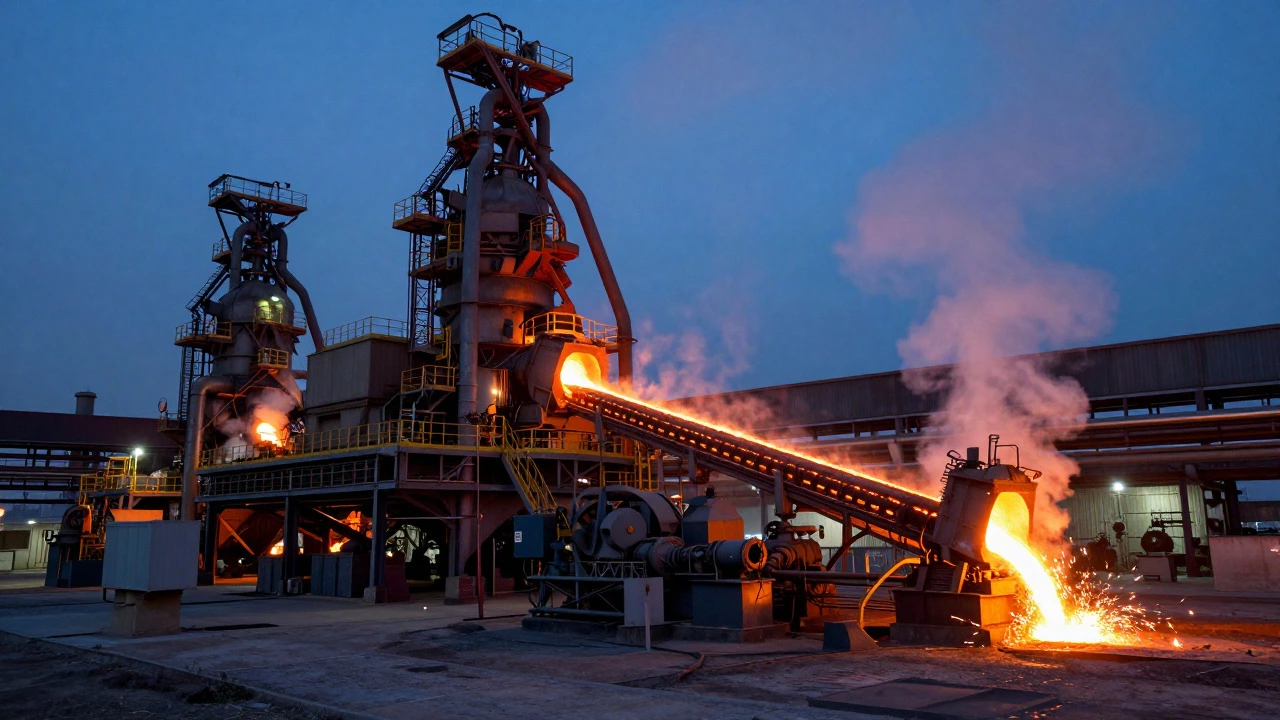
Richest Steel Company Analyzer (2026)
Determine which steel giant holds the title of "richest" based on different financial metrics used by analysts in 2026.
When you hear the word "steel," what comes to mind? Skyscrapers piercing the Toronto skyline? The hull of a massive cargo ship? Or perhaps the frame of the car parked outside your window? Steel is the invisible skeleton of modern civilization. But behind those gray beams and sheets lies a fiercely competitive global business worth trillions of dollars.
If you are asking who holds the crown for the richest steel company in the world in 2026, the answer isn't as simple as pointing to one name on a ticker symbol. It depends entirely on how you define "rich." Are we talking about the company that brings in the most cash from sales (revenue)? Or are we looking at the company whose stock is worth the most on the open market (market capitalization)?
This distinction matters. One giant might be the heavyweight champion by sheer volume of production, while another might be the financial darling because it operates efficiently in high-value markets. In this article, we will break down the top contenders, explain why the numbers fluctuate, and give you a clear picture of who really rules the iron game today.
The Revenue King: ArcelorMittal
If you measure wealth by total annual revenue, ArcelorMittal is the largest steel producer in the world by revenue and output. Headquartered in Luxembourg, this multinational conglomerate has dominated the headlines for years. As of mid-2026, ArcelorMittal continues to hold its position as the revenue leader, generating over $40 billion annually in recent fiscal cycles.
Why does ArcelorMittal sit at the top of the revenue charts? It’s all about scale and geography. The company operates
more than 30 countries. This global footprint allows them to hedge against regional economic downturns. If demand dips in Europe, they can lean on growth in India or Brazil.Region Key Operations Production Capacity (Million Tons) Europe France, Germany, Belgium 15+ North America USA, Canada 12+ Asia-Pacific India, Thailand 10+
However, being the biggest doesn't always mean being the most profitable per ton. ArcelorMittal faces intense pressure from state-backed competitors in Asia and fluctuating raw material costs, particularly for coking coal and iron ore. Their strategy relies on vertical integration-owning mines and logistics networks-to keep margins stable despite volatile commodity prices.
The Market Cap Contender: Nippon Steel
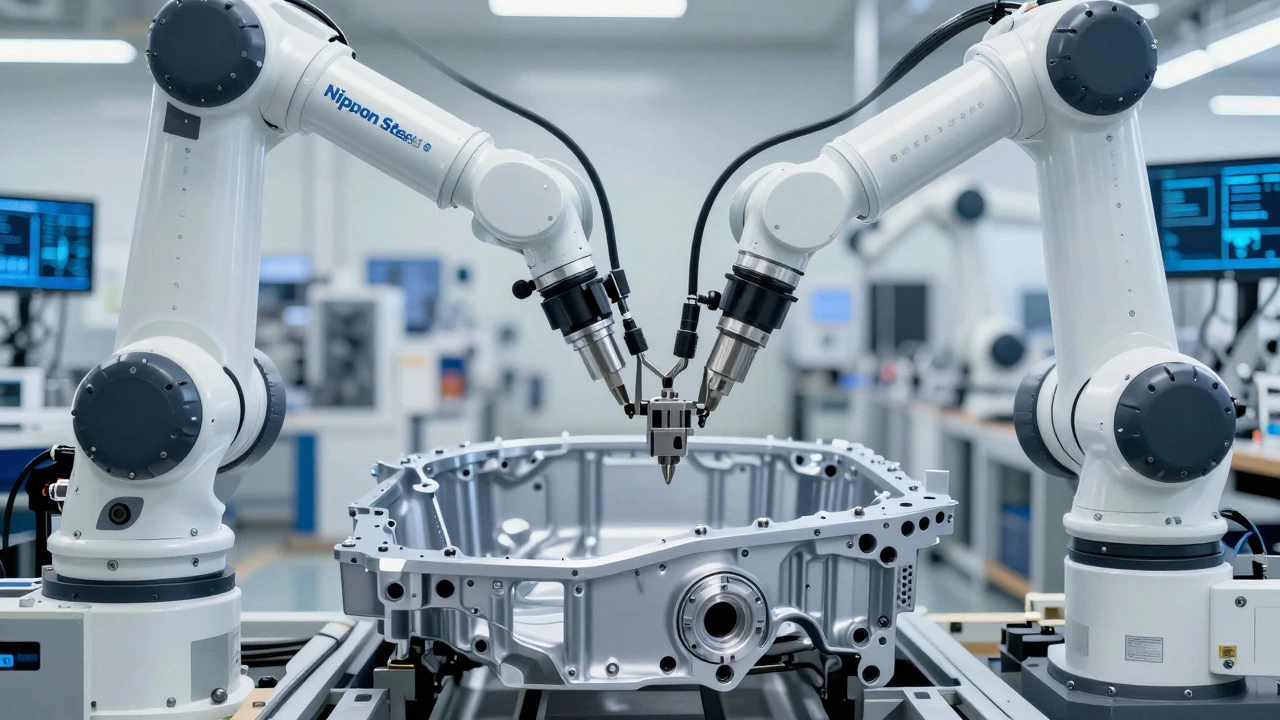
Now, let’s shift gears. If you look at market capitalization-the total value of a company's shares-you see a different player rising to the top: Nippon Steel Corporation is Japan's leading steelmaker known for high-value automotive and industrial steel products. Based in Tokyo, Nippon Steel often commands a higher valuation than many Western peers because of its reputation for quality and efficiency.
In 2026, Nippon Steel remains a powerhouse, especially after its aggressive expansion strategies, including significant acquisitions in the United States. Unlike companies that churn out massive volumes of basic rebar for construction, Nippon Steel specializes in high-grade steel used in automobiles, electronics, and heavy machinery. These products carry higher profit margins.
Investors love this model. When the global economy slows down, construction might stall, but cars still need to be built, and factories still need maintenance. This resilience makes Nippon Steel a favorite among institutional investors, boosting its stock price and overall market value. While ArcelorMittal may sell more tons of steel, Nippon Steel often generates more value per share.
The Asian Giants: POSCO and Baowu
You cannot talk about the richest steel companies without mentioning the titans of Asia. Two names stand out: POSCO is South Korea's premier integrated steelmaker with a focus on green steel technology. and China's China Baowu Steel Group is the world's largest steel producer by physical volume of output.
Let’s address the elephant in the room: China Baowu. By pure production volume, Baowu is unbeatable. They produce nearly 130 million metric tons of crude steel annually. That is more than some entire countries' GDPs in terms of industrial output. So, why don’t they always top the "richest" lists based on market cap?
It comes down to transparency and corporate structure. Many Chinese steel giants are state-owned enterprises (SOEs). Their financial reporting can be opaque compared to publicly traded Japanese or European firms. Additionally, the Chinese government often subsidizes these companies, which distorts pure market profitability metrics. While Baowu is undoubtedly the largest manufacturer, its "wealth" is tied closely to national policy rather than just shareholder returns.
On the other hand, POSCO from South Korea offers a compelling middle ground. They are highly efficient, technologically advanced, and have been early adopters of hydrogen-based steelmaking to reduce carbon emissions. In 2026, as environmental regulations tighten globally, POSCO’s investment in green tech positions them as a future leader in sustainable steel, potentially increasing their long-term valuation.
How We Measure "Richness" in Steel
To understand who is truly the richest, you need to look beyond the headline number. Here are the three key metrics analysts use:
- Revenue: Total money brought in from sales. High revenue indicates market share and scale. ArcelorMittal typically leads here.
- Market Capitalization: Share price multiplied by the number of outstanding shares. This reflects investor confidence and future growth potential. Nippon Steel and POSCO often compete here.
- Net Income: Profit after all expenses, taxes, and interest are paid. This shows operational efficiency. Companies with lower debt and better cost control win here.
In 2026, the gap between these metrics is narrowing. Energy costs have stabilized somewhat post-pandemic, but geopolitical tensions continue to disrupt supply chains. A company that can secure cheap iron ore from Australia or Brazil and transport it efficiently has a massive advantage. This is why integrated mills like Nippon Steel and POSCO often outperform mini-mills that rely on recycled scrap metal when energy prices spike.
The Impact of Green Steel on Valuation
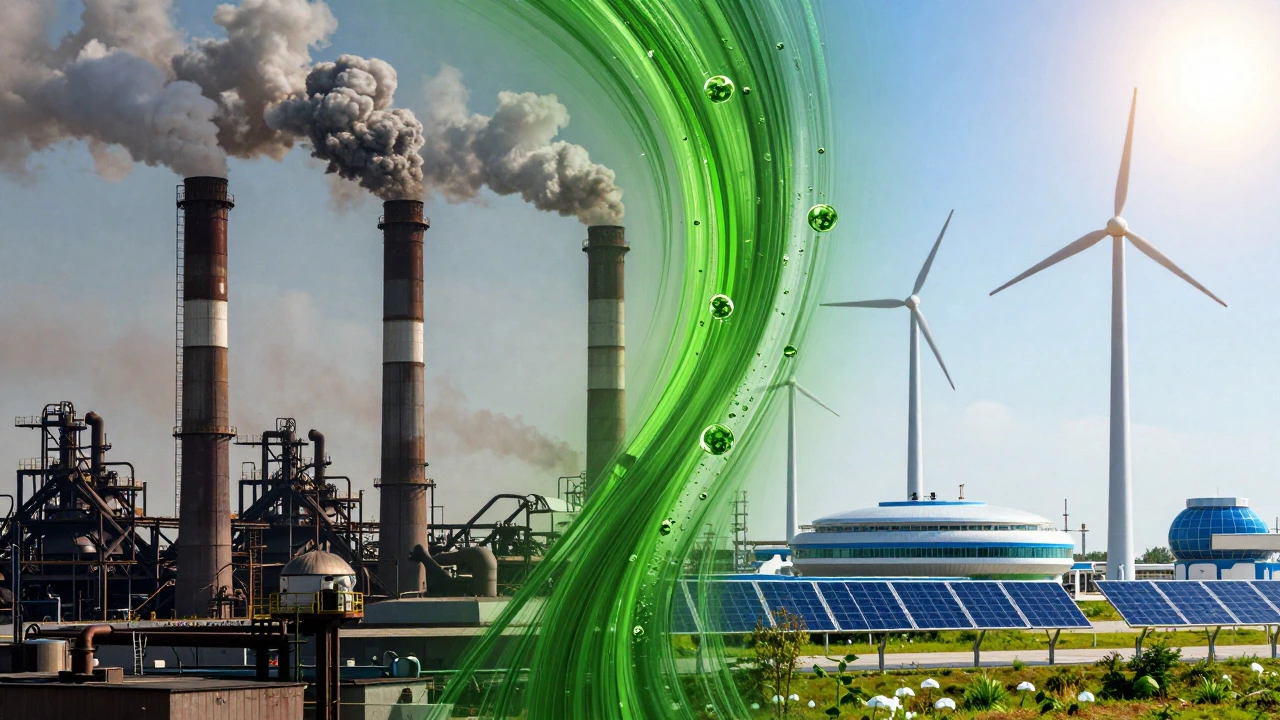
One of the biggest shifts in the steel industry in 2026 is the push toward decarbonization. Traditional blast furnaces use coke (derived from coal) to smelt iron, releasing huge amounts of CO2. Newer methods use hydrogen or electric arc furnaces powered by renewable energy.
Companies investing heavily in this transition are seeing their valuations rise. Investors view green steel not just as an environmental necessity, but as a premium product. Automotive manufacturers, for example, are willing to pay more for low-carbon steel to meet their own sustainability goals. This creates a new revenue stream that traditional producers miss out on.
ArcelorMittal has launched several green steel initiatives in Europe, leveraging the EU’s Carbon Border Adjustment Mechanism (CBAM). Meanwhile, Nippon Steel is partnering with tech firms to develop hydrogen reduction technologies. These moves aren't just PR stunts; they are strategic bets that will determine who is the "richest" in 2030 and beyond.
Regional Differences Matter
Your location also influences which steel company seems "richest." In North America, Nucor Corporation is the largest steel producer in the United States, specializing in minimill technology. is a dominant force. Nucor uses electric arc furnaces and scrap metal, allowing them to be incredibly flexible. They can ramp up production quickly when demand spikes and shut down easily when it drops. This agility has made Nucor one of the most profitable steelmakers in the US, even if its total revenue is smaller than ArcelorMittal’s.
In contrast, European companies face higher energy costs and stricter environmental regulations. This squeezes their margins but forces innovation. Asian companies benefit from lower labor costs and massive domestic infrastructure projects, driving volume up but sometimes keeping per-unit profits lower due to overcapacity issues.
Is ArcelorMittal the richest steel company in the world?
If you define "richest" by total annual revenue and production volume, yes, ArcelorMittal is generally considered the largest. However, if you look at market capitalization or profit margins, companies like Nippon Steel or POSCO may rank higher depending on current stock market conditions.
What is the difference between revenue and market cap in steel companies?
Revenue is the total amount of money a company makes from selling steel. Market cap is the total value of the company's stock in the public market. A company can have high revenue but low market cap if it has low profit margins or high debt, whereas a company with lower revenue but high efficiency can have a higher market cap.
Why is China Baowu not always listed as the richest?
China Baowu is the largest producer by volume, but many of its entities are state-owned or not fully transparent in their financial reporting. This makes it difficult to calculate a precise market capitalization or net income comparable to publicly traded Western or Japanese firms.
How does green steel affect company valuation?
Green steel, produced using hydrogen or renewable energy, commands a premium price from environmentally conscious buyers like automakers. Companies investing in this technology are seen as future-proof, which boosts investor confidence and stock prices.
Which steel company is best for investors in 2026?
This depends on your risk tolerance. For stability and dividends, established players like Nucor or Nippon Steel are strong choices. For growth potential tied to sustainability trends, companies like POSCO or ArcelorMittal’s green initiatives might offer upside, though they come with higher operational risks.

Mar 7 2025

Dec 9 2025

Mar 22 2025