Roller Shade Cost & Energy Savings Calculator
Calculate Your Savings
Your Estimated Savings
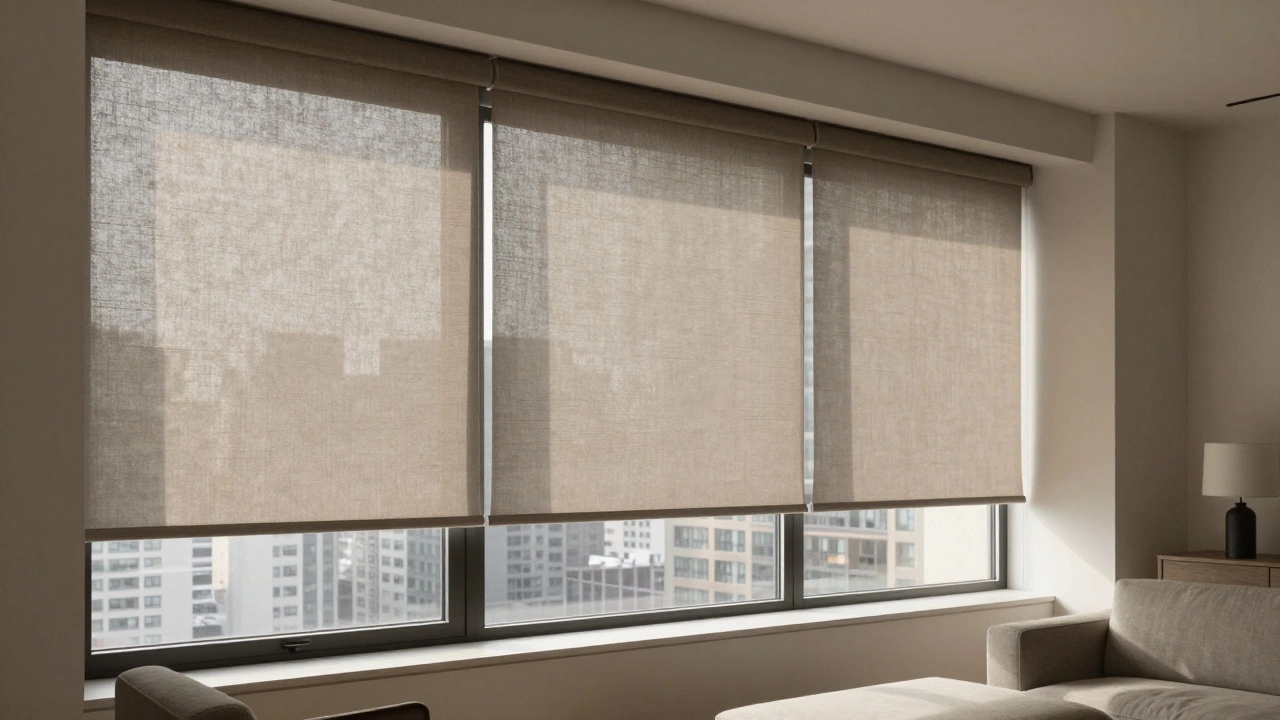
Forget the heavy velvet drapes your grandma had. Today’s most popular window covering isn’t about blocking out light with thickness-it’s about control, simplicity, and blending into the room like it was always meant to be there. If you’ve walked through a new home in Toronto, Vancouver, or even a downtown apartment in Chicago, you’ve seen it: motorized roller shades. They’re not just trending-they’ve become the default choice for homeowners who want clean lines, quiet operation, and smart home integration without the fuss.
Why roller shades dominate in 2025
Roller shades won because they solve real problems. People don’t want to tug on cords that snag on pets or kids. They don’t want to clean dust traps behind bulky valances. And they definitely don’t want to adjust blinds every morning just to let in a little light. Roller shades cut through all that. Made from lightweight, woven fabrics or blackout materials, they roll up neatly into a slim tube mounted flush to the ceiling or window frame. No hardware sticking out. No slats to tilt. Just smooth, silent movement.
What changed? Technology. Five years ago, motorized shades were a luxury for high-end homes. Now, brands like Lutron, Somfy, and even budget-friendly options from IKEA and Home Depot offer Wi-Fi-enabled roller shades that cost under $200 per window. You can schedule them to open at sunrise, close at sunset, or dim automatically when the sun hits your screen during Zoom calls. In Toronto, where winters are long and daylight is precious, people use them to maximize natural light in the morning and block heat in the afternoon-all without lifting a finger.
What materials are actually being used
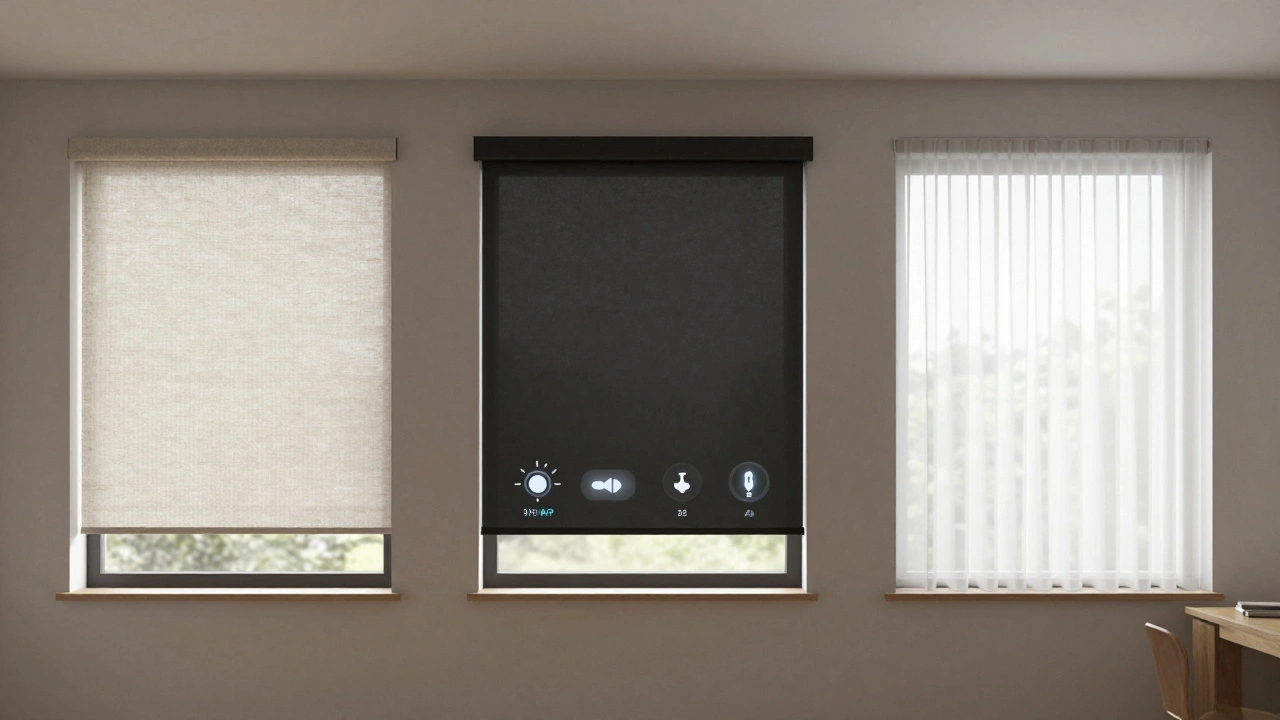
Not all roller shades are the same. The material makes all the difference. In 2025, three types stand out:
- Light-filtering woven fabrics-made from natural fibers like linen, cotton, or bamboo blends. These soften daylight without blocking views. Perfect for living rooms and bedrooms where you want privacy but still feel connected to the outside.
- Blackout roller shades-lined with a dense, opaque polymer coating. Used in home theaters, nurseries, and bedrooms for total darkness. Some now come with thermal insulation layers that reduce heat loss by up to 25%, according to Energy Star testing.
- Sheer vertical shades-a hybrid trend. These aren’t traditional roller shades, but they’re often grouped with them. Think of them as vertical slats made from semi-transparent fabric that glide side to side. They’re popular in large windows and sliding glass doors, offering privacy while keeping the view open.
Color-wise, neutral tones rule. Greige, soft white, warm taupe, and charcoal are the top sellers. Bold colors? Rare. People want window coverings that disappear into the background, not compete with their furniture or art.
What’s fading out-and why
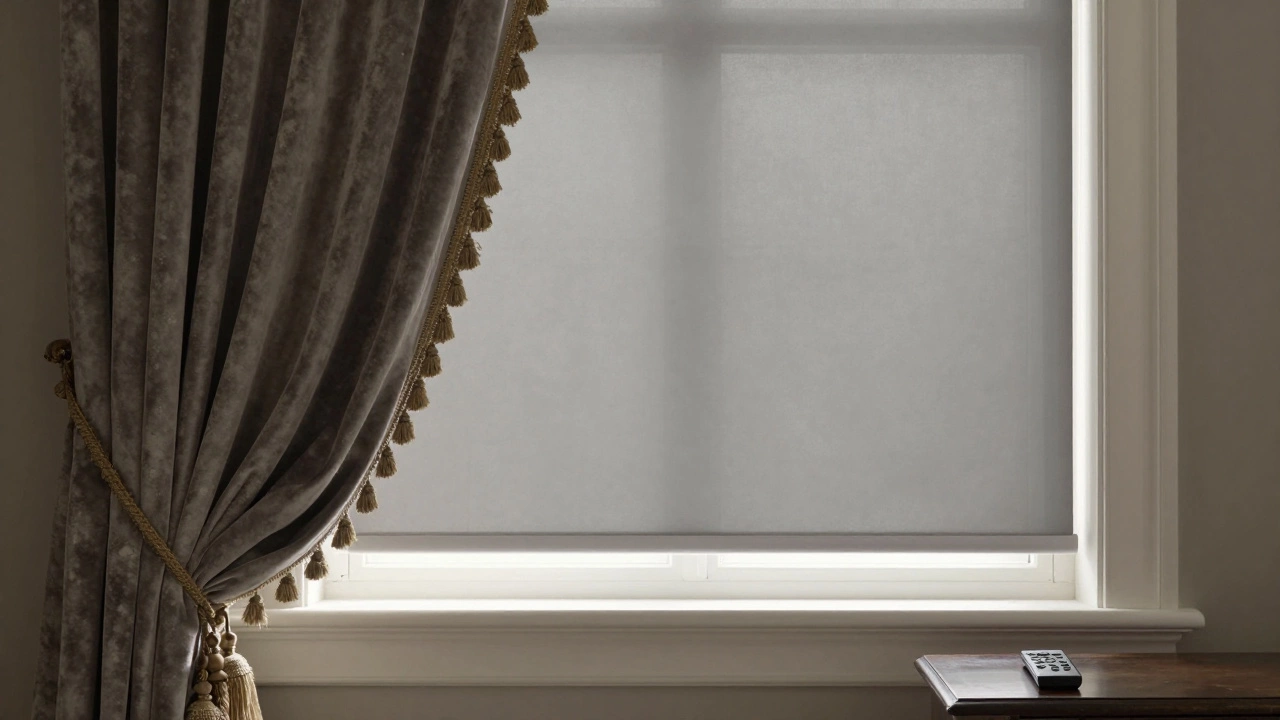
Traditional curtains? Still around, but mostly in formal dining rooms or as decorative accents. The kind with tie-backs, tassels, and lining? Those are becoming relics. Why? They’re hard to clean, trap dust, and require more space to open fully. Even in homes with high ceilings, people are opting for motorized roller shades paired with a minimalist cornice box instead of floor-to-ceiling drapes.
Blinds-especially wood and aluminum-are also losing ground. They look dated. They collect dust in the slats. They’re noisy when adjusted. And they don’t integrate with smart home systems as seamlessly. A 2024 survey by the National Association of Home Builders found that 68% of new home buyers in North America specified motorized roller shades as a non-negotiable feature, compared to just 22% who asked for wood blinds.
How to choose the right one for your home
Not every room needs the same treatment. Here’s how to pick based on function:
- Bedrooms - Go for blackout roller shades with a side channel seal. This blocks light from the edges and helps with sleep quality. Look for ones rated for 99% light blockage.
- Living rooms - Light-filtering woven shades. They let in soft daylight and keep the space feeling airy. Pair them with a smart dimmer to adjust brightness without switching lights on.
- Kitchens and bathrooms - Moisture-resistant materials. PVC or vinyl-coated fabrics work best here. Avoid natural fibers-they warp with humidity.
- Home offices - Adjustable opacity. You need to reduce glare on screens without making the room feel dark. Some shades now come with dual-layer fabric: one side for light filtering, one for blackout.
Installation matters too. If you’re renting, stick to tension-mounted or adhesive roller shades that don’t require drilling. If you own your home, professional mounting ensures a flush, seamless look. And always measure twice-roller shades need at least 2 inches of clearance above the window frame to roll properly.
Smart features you didn’t know you needed
Modern roller shades aren’t just about opening and closing. Many now include:
- Weather-based automation-shades lower automatically when outdoor temperature hits 80°F (27°C) to reduce heat gain.
- Integration with voice assistants-say “Hey Google, close the living room shades” and they obey.
- Energy usage tracking-some systems show you how much cooling cost you saved by shading windows during peak sun hours.
- Remote access-check and adjust your shades from your phone while on vacation.
In Toronto, where winters are cold and summers can hit 35°C, these features aren’t just nice-they cut energy bills. One homeowner in North York reported a 17% drop in summer AC usage after installing motorized shades on all south-facing windows.
What’s next? The quiet evolution
The next wave isn’t about flashier tech. It’s about subtlety. New fabrics are being woven with built-in UV protection that lasts the life of the shade. Some manufacturers are experimenting with self-cleaning coatings that repel dust and fingerprints. And battery-powered shades are getting longer life-up to 5 years on a single charge, thanks to low-power motors and solar-charging options.
People aren’t looking for the loudest window covering anymore. They want the one that works so well, they forget it’s there. That’s why roller shades win. They’re quiet, smart, simple, and invisible when you don’t need them. In 2025, the most popular window covering isn’t the one with the most fabric. It’s the one with the least clutter-and the most intelligence.
Are motorized roller shades worth the extra cost?
Yes, if you value convenience and energy savings. While manual roller shades start around $50, motorized ones cost $150-$300 per window. But they pay for themselves over time by reducing heating and cooling costs. Plus, you avoid the hassle of reaching for cords or adjusting blinds every day. In homes with multiple windows, the automation alone saves 15-20 minutes a week.
Can roller shades work in older homes with uneven windows?
Absolutely. Modern roller shades come with flexible mounting options-inside the window frame, outside the frame, or even on the ceiling. If your window is crooked or the trim is damaged, an outside mount hides imperfections and still looks clean. Many brands offer custom sizing down to the millimeter.
Do roller shades block noise?
Not significantly. Roller shades are made of fabric or thin polymer, so they don’t act as sound barriers. If noise reduction is your goal, look for double-layered blackout shades with thermal insulation-they offer slight dampening, but for real soundproofing, you’ll need window inserts or acoustic panels.
How long do motorized roller shades last?
The fabric lasts 10-15 years with normal use. The motor and electronics typically last 7-10 years. Most reputable brands offer 5-year warranties on the motor. Replacing the motor is usually cheaper than replacing the whole shade, and many manufacturers sell replacement parts.
Are roller shades safe for kids and pets?
Yes-especially motorized ones. Cordless designs eliminate the strangulation hazard that comes with traditional pull cords. Many models now have child-safe certifications from the Window Covering Safety Council. For pets, the smooth surface is easy to clean and won’t snag claws like blinds.
What to do next
If you’re thinking about upgrading your windows, start by measuring your windows and noting which rooms get the most sun. Then, visit a local home improvement store and ask to see samples of light-filtering and blackout roller shades side by side. Test how they look in different lighting. Don’t rush-this isn’t just decor. It’s part of how you live in your home every day.
And if you’re renting? Try adhesive roller shades from brands like Everbilt or Simplee. They stick without damage and peel off cleanly when you move. You don’t need to spend thousands to get the modern look. Just pick the right one, install it right, and let the light work for you.


Dec 19 2025

Apr 16 2025