US Military Steel Supplier Analyzer
Select a supplier below to analyze their production technology, key defense applications, and strategic importance to the US military.
Nucor Corp
Largest US Producer
United States Steel
Historic Giant
Cleveland-Cliffs
Flat-Rolled Leader
AK Steel
Specialized Alloys
Strategic Advantage
Key Defense Applications
Technical Profile
When you think about the backbone of American defense, images of aircraft carriers, armored tanks, and fighter jets usually come to mind. But before any of those machines roll off the assembly line or sail into the ocean, there is a fundamental material that makes them possible: steel. The question isn't just who builds the ships, but who provides the raw metal that withstands missile strikes, heavy artillery, and harsh maritime environments. For decades, the supply chain for military-grade steel is high-strength, corrosion-resistant alloy steel produced under strict government specifications for defense applications. has been a mix of domestic giants and strategic imports, but recent geopolitical shifts have forced a hard look at who exactly is feeding this critical pipeline.
The Big Three: Domestic Giants Dominating Defense Contracts
If you trace the steel used in an Abrams tank or a Navy destroyer back to its source, you will likely end up with one of three major American companies. These firms don't just sell generic construction beams; they produce specialized alloys certified by the Department of Defense (DoD) to meet rigorous standards like MIL-S-5000. The landscape is dominated by legacy integrated mills and modern mini-mills, each playing a distinct role in national security.
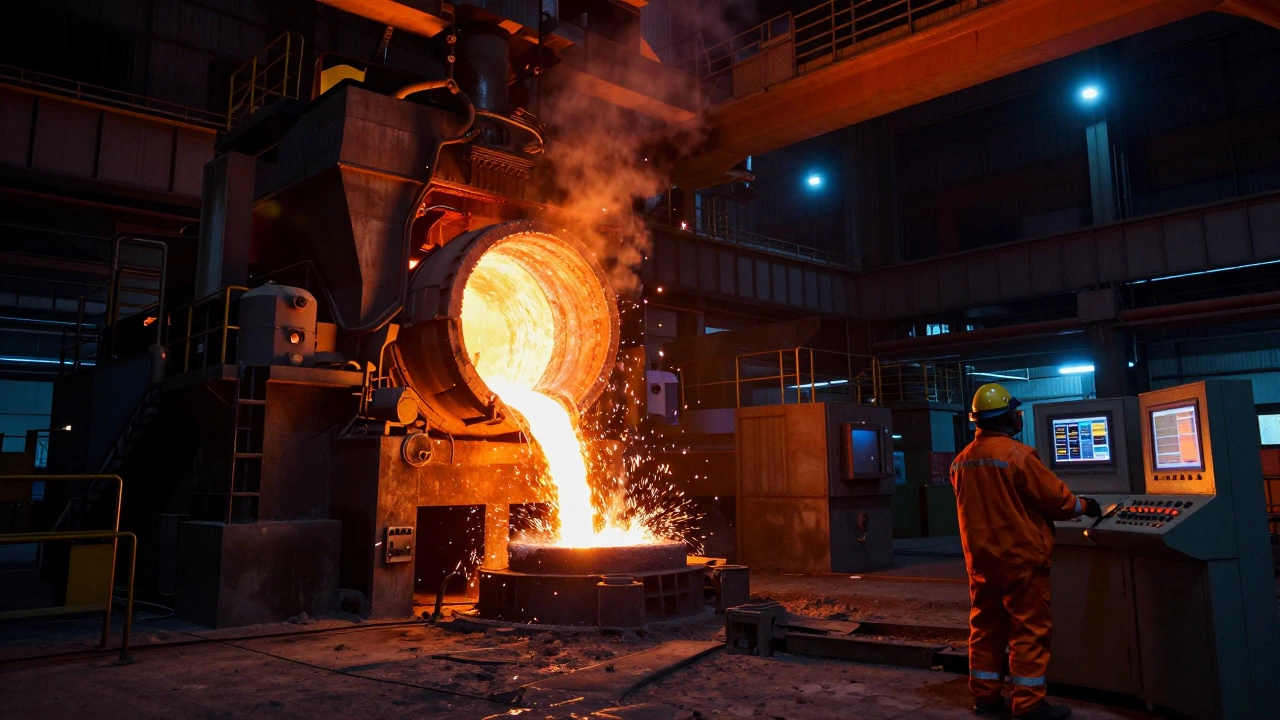
Nucor Corporation is the largest steel producer in the United States, known for its electric arc furnace technology and focus on high-quality specialty steels. Nucor has become a powerhouse in the defense sector, particularly because its Electric Arc Furnace (EAF) technology allows it to recycle scrap metal efficiently while producing high-strength low-alloy (HSLA) steel. This type of steel is crucial for armor plating because it offers superior toughness-to-weight ratios compared to traditional carbon steel. Nucor’s facility in Crawfordsville, Indiana, is specifically designated as a DoD-approved supplier for plate steel used in naval vessels.
Then there is United States Steel is a historic American steelmaker with deep roots in military production, supplying critical materials for shipbuilding and infrastructure.. Despite its name implying a monopoly, U.S. Steel operates in a competitive market but holds a unique position due to its heritage and capacity. Their Gary Works plant in Indiana and their Burns Harbor facility are key contributors to the nation's defense stockpile. They specialize in thick plate steel, which is essential for the hulls of large warships. When the Navy needs to build a new aircraft carrier, the sheer volume of steel required often points directly to U.S. Steel’s capabilities.
Cleveland-Cliffs Inc. is a leading flat-rolled steel producer in North America, heavily involved in automotive and industrial sectors, with growing defense contracts. rounds out the top tier. While often associated with the auto industry, Cleveland-Cliffs has ramped up its production of high-strength steel for defense applications. Their acquisition of various smaller mills has expanded their footprint, allowing them to serve as a primary supplier for ground combat vehicles. The company’s ability to scale production quickly makes it a vital partner when the Pentagon needs to surge output for specific programs.
Beyond the Plate: Specialized Alloys and Critical Components
Not all military steel is created equal. A battleship hull requires different properties than the barrel of a tank gun or the frame of a helicopter. This distinction brings us to specialized producers who handle more complex metallurgical challenges. These companies often work with nickel-based superalloys and titanium blends, but steel remains the base for many structural components.
AK Steel Holding LLC is a subsidiary of Nippon Steel, specializing in high-performance steel products for automotive and aerospace industries, including defense applications. is a prime example of this niche. Although owned by a Japanese parent company, AK Steel operates primarily in the U.S. and produces advanced high-strength steels (AHSS). These materials are used in lighter, yet stronger, vehicle frames. The DoD values these suppliers because they can engineer steel that resists deformation under extreme stress, a critical feature for personnel protection in modern warfare.
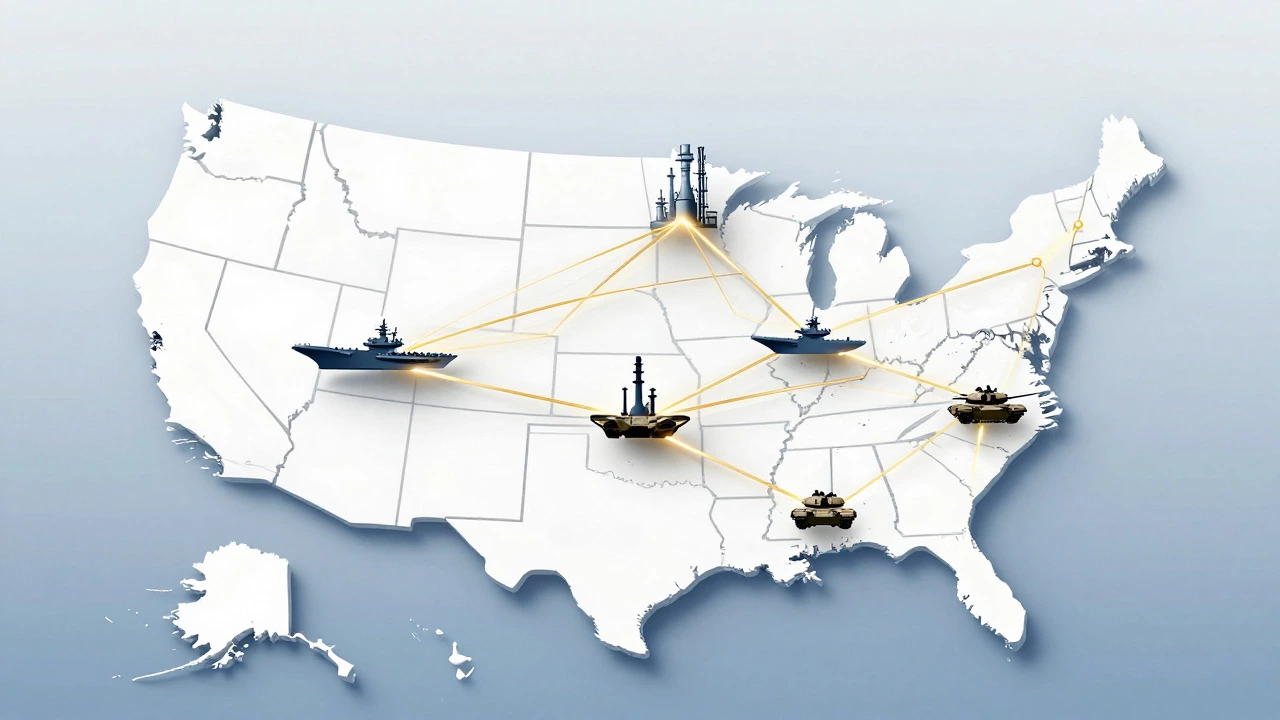
Another key player is Steel Dynamics, Inc. is a major steel recycler and producer using electric arc furnaces, providing cost-effective steel solutions for various industrial and defense needs.. Like Nucor, SDI uses EAF technology, which gives them flexibility. They supply rebar and wire rod, but also produce plate steel for defense contractors. Their presence in multiple states ensures that the supply chain isn't reliant on a single geographic region, reducing vulnerability to natural disasters or logistical bottlenecks.
The Role of Government Mandates and Buy American Act
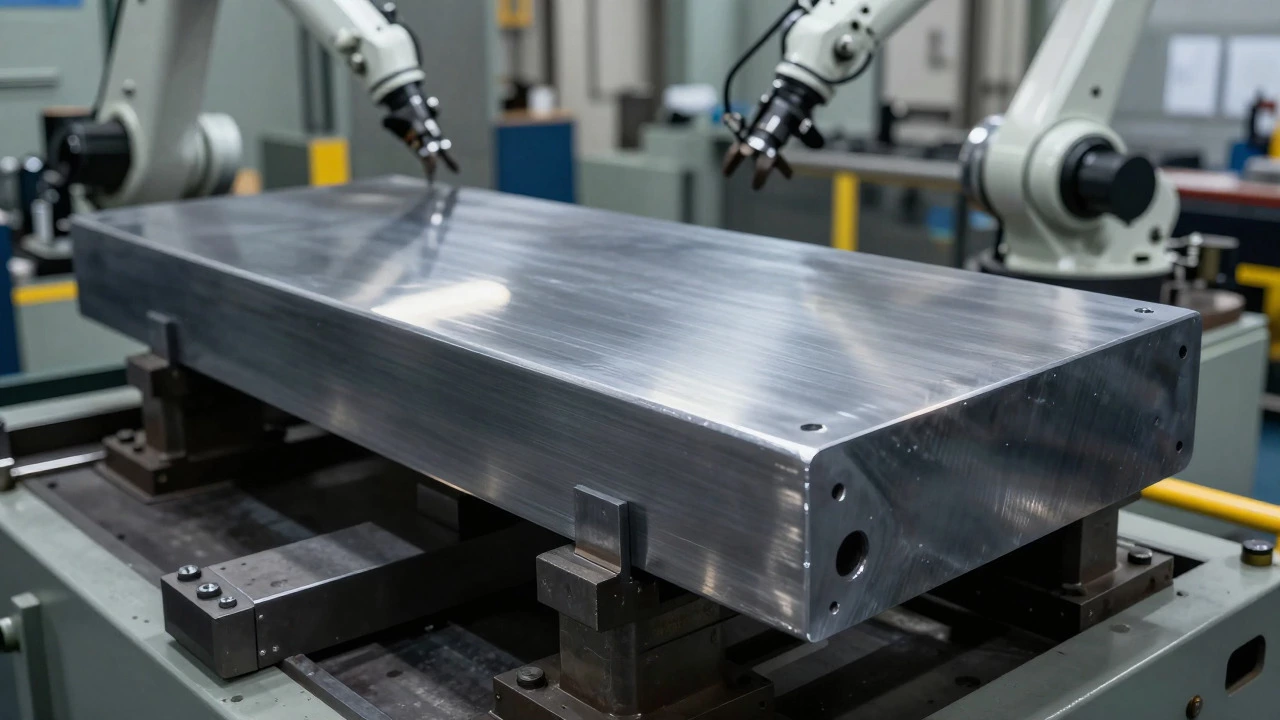
You might wonder why the U.S. doesn't simply buy cheaper steel from abroad. The answer lies in legislation designed to protect national security. The Buy American Act is a federal procurement policy requiring the U.S. government to prefer domestically produced goods in public works projects and military acquisitions. mandates that for federally funded construction and many military procurements, iron and steel must be melted and poured in the United States. This rule effectively blocks most foreign competition for direct government contracts.
However, the reality is more nuanced. While the final product must be made in the U.S., some raw materials or intermediate alloys might still cross borders. To tighten this loop, the Department of Defense maintains a list of approved domestic sources. If a foreign supplier wants to enter the market, they often have to partner with a domestic mill or prove that their product is irreplaceable. This regulatory framework ensures that even during times of crisis, the U.S. retains control over its strategic metal reserves.
| Company | Primary Technology | Key Defense Application | Strategic Advantage |
|---|---|---|---|
| Nucor Corporation | Electric Arc Furnace (EAF) | Armor Plating, Naval Hulls | High efficiency, rapid scaling, HSLA expertise |
| United States Steel | Basic Oxygen Furnace (BOF) | Aircraft Carrier Hulls, Heavy Infrastructure | Massive volume capacity, legacy DoD relationships |
| Cleveland-Cliffs Inc. | Integrated Milling | Ground Combat Vehicles, Tracks | Flat-rolled steel dominance, North American footprint |
| AK Steel Holding LLC | Advanced Processing | Lightweight Armor, Vehicle Frames | Specialized AHSS alloys, engineering support |
Vulnerabilities in the Supply Chain
Even with strong domestic players, the U.S. military steel supply chain faces risks. One major issue is the aging infrastructure of some mills. Maintaining Basic Oxygen Furnaces requires significant capital investment, and delays in upgrades can lead to production slowdowns. Additionally, the reliance on a small number of suppliers creates a bottleneck risk. If Nucor or U.S. Steel experiences a labor strike or equipment failure, the ripple effects can delay shipbuilding projects by months.
Another concern is the availability of skilled labor. Steelmaking is no longer just about brute strength; it requires engineers and technicians who understand metallurgy, automation, and quality control. As older workers retire, finding replacements with the right expertise becomes challenging. The DoD has started working with trade schools and universities to address this gap, but it remains a persistent hurdle.
Future Trends: Recycling and Green Steel
Looking ahead, the definition of "military steel" is evolving. The push for sustainability is reaching the defense sector. Green Steel is steel produced using renewable energy and hydrogen instead of coal, significantly reducing carbon emissions. is gaining traction, with companies like SSAB and H2 Green Steel pioneering the technology. While these are currently European-led initiatives, U.S. firms are exploring similar paths to reduce the carbon footprint of defense manufacturing.
This shift isn't just environmental; it's strategic. By relying on recycled scrap via Electric Arc Furnaces, companies like Nucor and Steel Dynamics are already moving toward a more sustainable model. This reduces dependence on imported iron ore and coking coal, further insulating the military supply chain from global market volatility. In the coming years, we can expect more defense contracts to include criteria for low-carbon steel production, driving innovation across the industry.
Conclusion: Securing the Foundation
The answer to who makes steel for the U.S. military is not a single entity but a network of resilient, technologically advanced American companies. From the massive plates forged by United States Steel to the specialized alloys engineered by AK Steel, these suppliers form the literal foundation of national defense. Understanding this supply chain highlights the importance of domestic manufacturing in maintaining military readiness. As threats evolve, so too must the materials that protect our forces, ensuring that the steel backing America’s power remains as strong as ever.
Is all steel used by the US military made in America?
Most structural steel for major platforms like ships and tanks is required to be melted and poured in the U.S. under the Buy American Act. However, some specialized alloys or minor components may involve international sourcing if no domestic equivalent exists, though this is increasingly rare for critical defense items.
Why does the military need special steel?
Military steel must withstand extreme conditions, including ballistic impact, corrosion from saltwater, and high temperatures. Standard construction steel lacks the toughness, consistency, and certification required for life-saving applications in combat zones.
What happens if a domestic steel plant shuts down?
The Department of Defense maintains strategic stockpiles of critical metals to buffer against short-term disruptions. Long-term closures could lead to delays in weapon system production, prompting the government to incentivize new capacity or approve temporary waivers for foreign steel in non-critical applications.
How does Nucor differ from United States Steel in production?
Nucor primarily uses Electric Arc Furnaces (EAF) which melt scrap steel, making it more flexible and environmentally friendly. United States Steel traditionally uses Basic Oxygen Furnaces (BOF) which process raw iron ore, allowing for massive volume production ideal for large ship hulls.
Are there any new entrants in the military steel market?
While the market is dominated by established giants, newer technologies like green steel production are attracting interest from innovative startups and international firms looking to partner with U.S. entities to meet emerging sustainability requirements in defense contracts.