Textile Industry in India 2025: Manufacturing, Sustainability, and Home Goods Trends
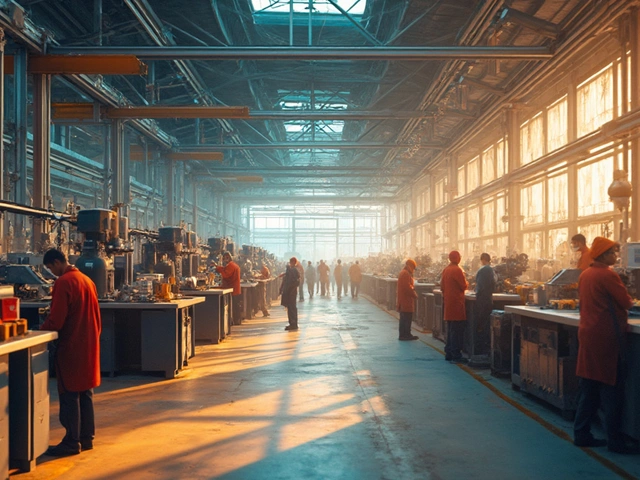
When you think about textile industry in India, a $150 billion sector employing 45 million people and producing over 40% of the nation’s cotton yarn. Also known as Indian textile hub, it’s not just about fabric—it’s about supply chains that go from rural cotton farms to high-tech looms in Coimbatore, where nearly 80% of India’s textile machinery is made. This isn’t a fading tradition. It’s a modern, fast-moving force pushing into sustainable fabrics, AI-driven production, and global exports. And it’s directly tied to what ends up in your home—tissues, curtains, rugs, and bathroom accessories—all made with the same manufacturing backbone.
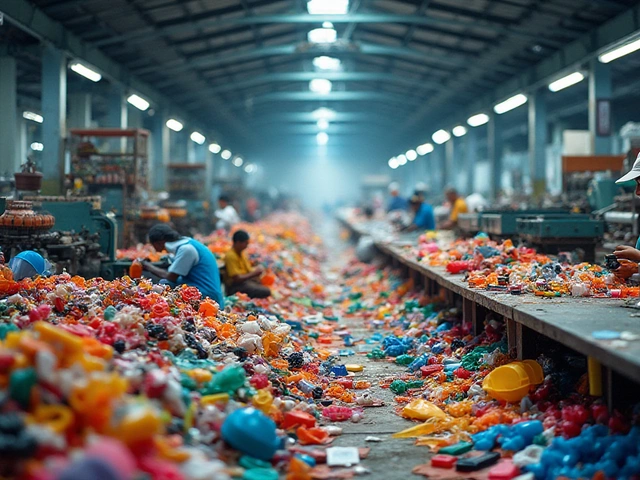
What’s happening in textile factories also shows up in other parts of daily life. Take plastic pollution, a crisis where the Philippines leads global ocean waste not because of high usage, but because of broken collection systems and global production patterns. That same system churns out plastic packaging for home goods sold across India. Meanwhile, textile manufacturing India, is shifting from cheap output to smart, eco-friendly processes. Brands are starting to ask: Can we make a tissue that’s soft, strong, and breaks down safely? Can we hang curtains that don’t come from synthetic fibers tied to ocean waste? These aren’t side questions—they’re central to how products are designed now.
You’ll find answers in the posts from November 2025. Learn why hanging curtains from the ceiling makes rooms feel bigger, how a rug over carpet isn’t a mistake but a smart upgrade, and what bathroom colors actually raise home value. See how tiny measurements like 0.1 inch matter in food processing machines—and how the same precision applies to cutting fabric or sealing tissue packs. Discover which chemical is the real backbone of India’s factories, and why banning old car engines was just the start of bigger changes in manufacturing. Every post connects back to one truth: what you use at home doesn’t exist in a vacuum. It’s shaped by factories, policies, and environmental choices you might never see—but you feel every day.
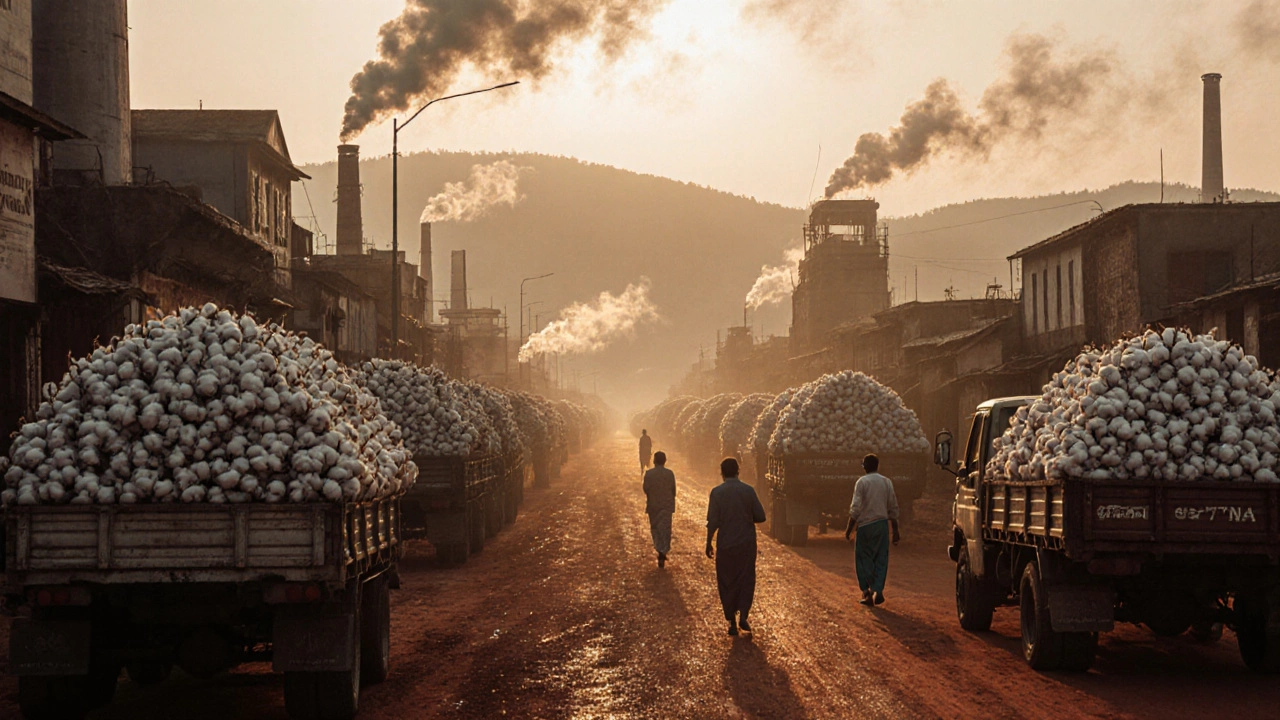
Which City Is Called the City of Textile? The Real Story Behind India's Textile Capital
Coimbatore, India, is known as the City of Textile for producing over 40% of the nation's cotton yarn and manufacturing nearly 80% of its textile machinery. It's the only place where the entire textile supply chain-from cotton to looms-comes together.
View More
Should Curtains Go to Ceiling or Window? The Simple Rule That Changes Everything
Hanging curtains from the ceiling instead of above the window makes rooms look taller and windows bigger. Learn the simple rule that transforms any space with just a rod and longer curtains.
View More
How to Choose the Right Mirror for Your Space
Learn how to choose the right mirror for any room by focusing on size, placement, lighting, and frame style. Avoid common mistakes and find the mirror that truly enhances your space.
View More
What Country Puts the Most Plastic in the Ocean?
The Philippines now leads the world in ocean plastic pollution, not because of high consumption, but due to weak waste systems and global plastic production practices. Learn who's really to blame and what needs to change.
View More
Is It Dumb to Put a Rug Over Carpet? Here’s What Actually Works
Putting a rug over carpet isn't dumb-it's a smart, affordable way to add comfort, style, and definition to any room. Learn what works, what doesn't, and how to do it right.
View More
Which Engine Is Banned in India? Understanding the 2025 Emission Rules
India bans all non-BS6 engines from new sales since 2020. Learn which engines are affected, why the ban happened, and what it means for car buyers today.
View More
What Color Should Bathroom Accessories Be? Expert Tips for a Cohesive Look
Learn how to choose bathroom accessory colors that create a calm, cohesive look. Avoid common mistakes and discover what colors work best with your fixtures and tiles.
View More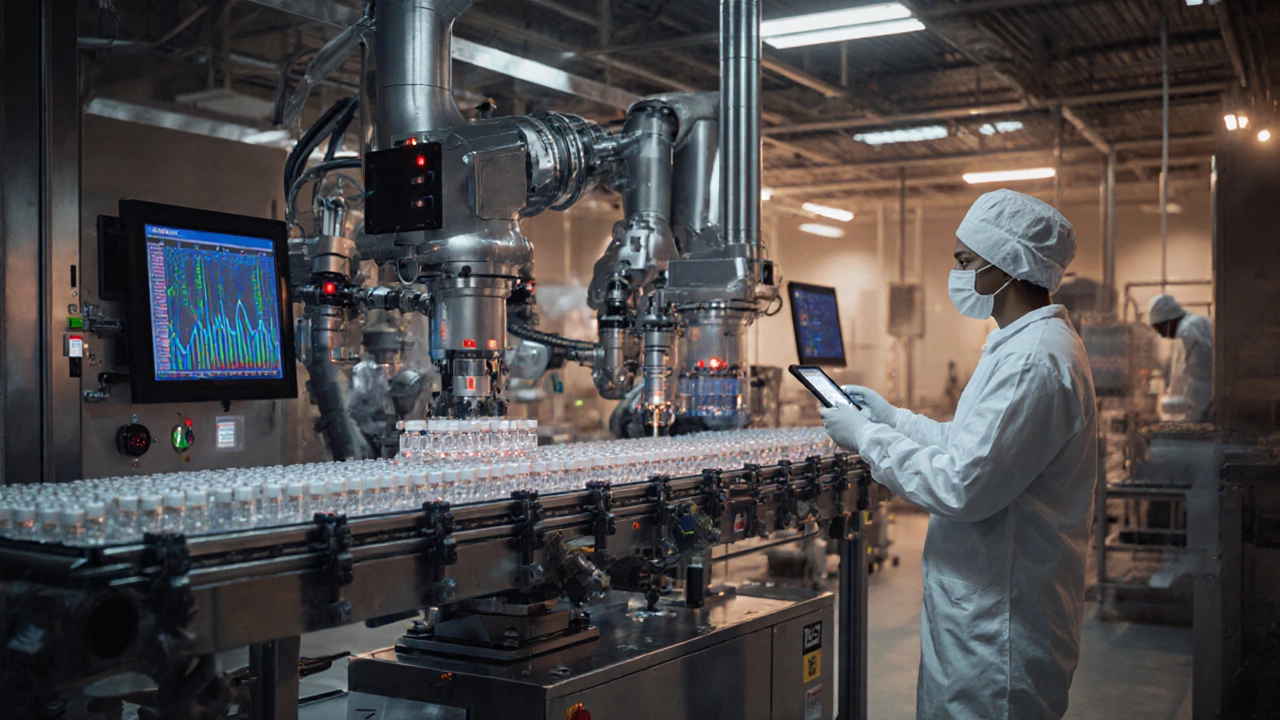
What Is the Future of Pharmacy in India? Trends, Challenges, and Opportunities
India's pharmacy future is shifting from cheap generics to high-value drugs, AI-driven manufacturing, and global trust. Learn how policy, tech, and talent are reshaping the world's largest generic drug supplier.
View More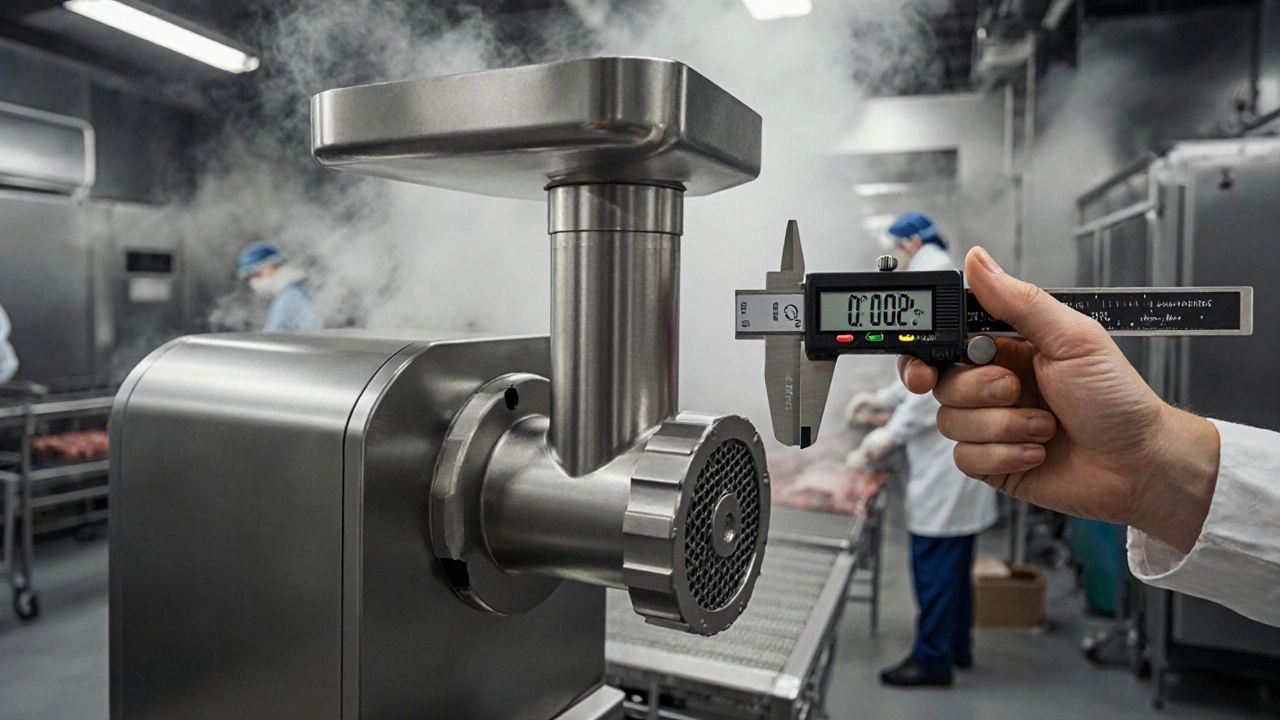
What Is 0.1 Inch Called in Food Processing Units?
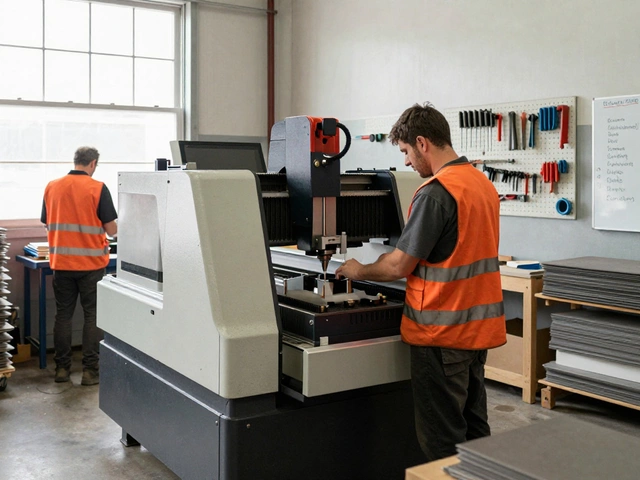
0.1 inch is called one-tenth of an inch in food processing. This tiny measurement is critical for machine gaps, blade clearances, and food safety. Learn how it's used, why it matters, and how to measure it accurately.
View More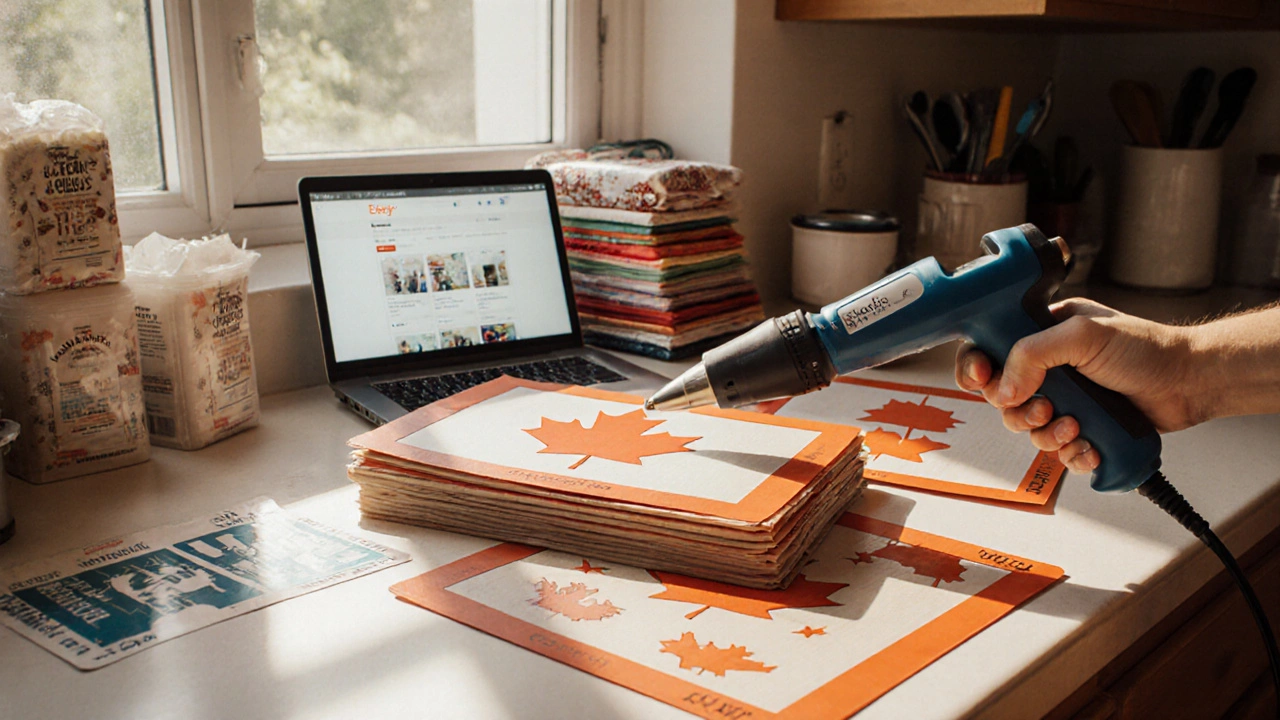
Best Business to Start with $1000 in 2025 (Manufacturing Ideas That Work)
Discover 5 proven manufacturing businesses you can start with just $1,000 in 2025-no factory needed. From silicone mats to hand-poured candles, learn how to turn small investments into real income.
View More
What Color Bathroom Increases Home Value? Expert Choices for 2025
Discover the best bathroom colors that boost home value in 2025. Learn why soft blue and warm greige outperform white, what colors to avoid, and how lighting and fixtures affect resale. Practical tips for maximum ROI.
View More
What Are the King of Chemicals? Top Industrial Chemicals Dominating India’s Manufacturing Sector
Sulfuric acid, ammonia, and chlorine are the king of chemicals in India, powering fertilizers, construction, water treatment, and food production. Learn how these bulk chemicals drive the nation’s industrial growth.
View More