Manufacturing Opportunity Calculator
Most entrepreneurs look at what’s selling right now and try to make it slightly cheaper or prettier. That is a crowded road. The real money in manufacturing often lies in looking at the messy, unglamorous problems people face every day and realizing: why doesn’t a product exist to fix this?
We are living in an era of rapid demographic shifts, climate anxiety, and digital fatigue. These forces create massive gaps in the market. A "product that doesn't exist yet" isn't necessarily a sci-fi gadget; it is usually a practical solution to a problem that has been ignored because it was too niche, too hard to manufacture, or simply overlooked by big corporations focused on mass markets.
If you are looking to start a manufacturing business in 2026, you don't need to invent the next iPhone. You need to identify where current solutions fail and build something that actually works. Here are seven concrete product categories that are currently underserved or non-existent, representing high-potential manufacturing opportunities.
1. Modular Furniture Designed for Tiny Urban Living
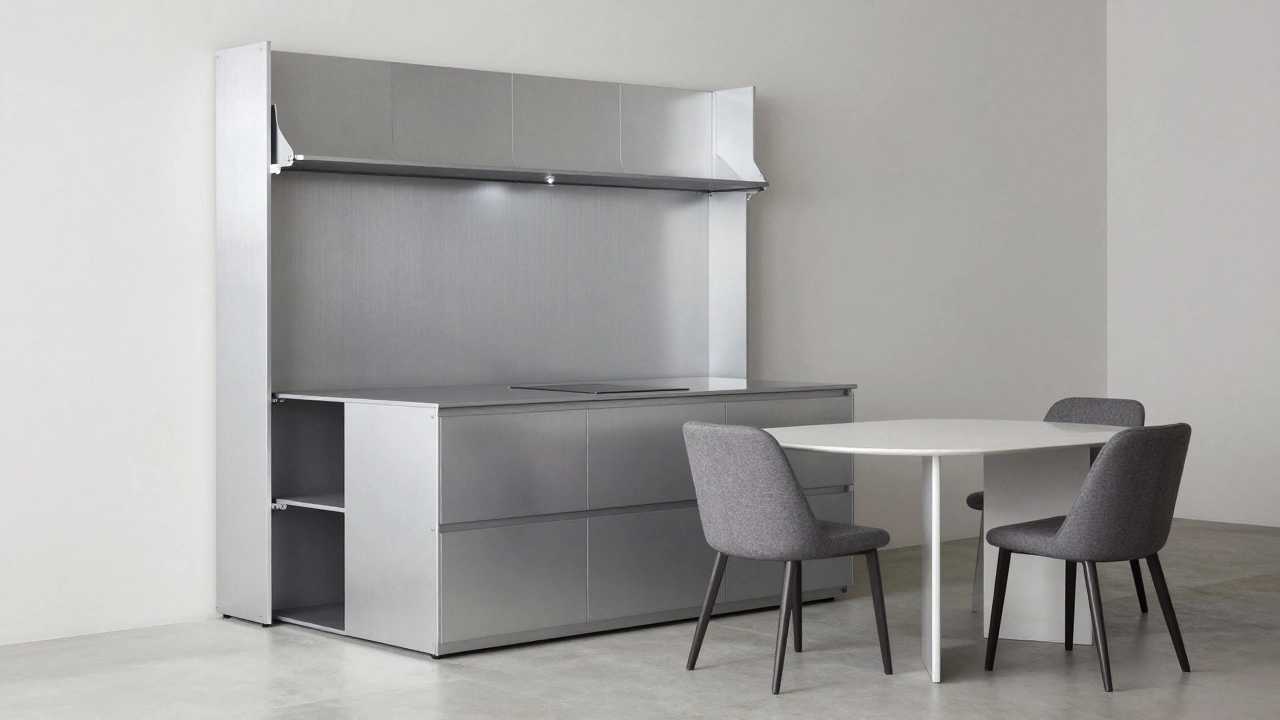
Urbanization is accelerating globally. In cities like Toronto, New York, and Tokyo, average apartment sizes are shrinking, but our possessions aren't. Current furniture is largely static-a sofa is a sofa, a desk is a desk. There is a glaring lack of modular kinetic furniture that adapts instantly to multi-use spaces without requiring tools or complex assembly.
Imagine a wall unit that slides horizontally to reveal a kitchen counter, then folds down into a dining table, and finally converts into a bed frame-all with smooth, industrial-grade mechanisms similar to those used in aircraft interiors, but designed for home use. Most existing "space-saving" furniture is cheap, wobbly, or requires disassembly. A manufacturer could fill this gap by producing high-durability, tool-free transforming furniture using aluminum alloys and high-density polymers.
- The Gap: Current space-saving furniture is low-quality or complex.
- The Opportunity: Manufacture durable, mechanism-heavy furniture for micro-apartments.
- Target Audience: Urban millennials and Gen Z renters in high-cost cities.
2. Biodegradable Electronics Packaging Made from Mycelium
Mycelium-the root structure of mushrooms-is already being experimented with by a few startups, but there is no dominant, standardized manufacturer providing affordable, scalable mycelium packaging for mid-tier electronics brands. A manufacturing plant could grow custom-shaped protective inserts from agricultural waste (like hemp hurds or corn stalks) and mycelium binders within days. The result is a fire-resistant, waterproof, and fully compostable alternative to Styrofoam.
This isn't just about being green; it's about brand differentiation. Tech companies are under immense pressure to reduce their carbon footprint. Offering a drop-in replacement for their packaging that they can market as "home compostable" is a powerful value proposition.
3. Smart Water Bottles with Integrated Filtration and UV-C Sterilization
Reusable water bottles are everywhere, but most are just vessels. You still need to trust the tap water or carry separate filtration tablets. There is a lack of affordable, durable bottles that actively purify water on demand without relying on replaceable charcoal filters that clog up quickly.
A product combining a mechanical pump filter with a built-in UV-C LED sterilization chamber would solve two problems: removing particulates and killing bacteria/viruses. While some high-end prototypes exist, none have achieved mass-market affordability or durability. A manufacturer focusing on robust materials (like Tritan copolymer or stainless steel) and efficient battery management systems could create a bottle that lasts five years, not six months.
This appeals to travelers, hikers, and urban dwellers concerned about microplastics and municipal water quality. The key here is manufacturing precision-ensuring the UV-C light reaches all parts of the water stream efficiently.
4. Adaptive Clothing for Aging Populations with Dexterity Issues
The global population is aging rapidly. By 2050, one in six people will be over 65. Yet, the fashion industry largely ignores the physical realities of aging. Buttons, zippers, and tight waistbands become major barriers for seniors with arthritis, reduced mobility, or recovering from surgery.
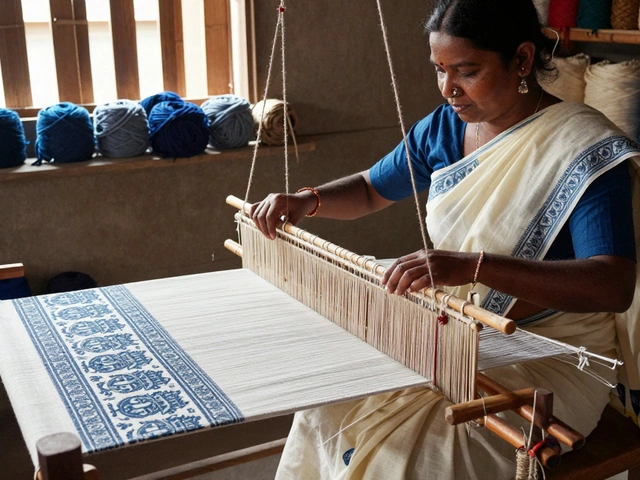
There is a significant gap in stylish, everyday clothing that uses magnetic closures, velcro-like hidden fasteners, and stretch fabrics that allow for easy dressing without compromising on aesthetics. Most "adaptive clothing" currently available looks medical or institutional. A manufacturing startup could bridge this gap by producing fashionable, adaptive apparel that looks like normal streetwear but functions like assistive technology.
This requires specialized textile manufacturing processes, such as integrating magnetic strips into seams invisibly. The market is huge, underserved, and driven by both personal need and caregiver convenience.
5. Home-Based Vertical Farming Units with Closed-Loop Nutrient Systems
People want fresh herbs and vegetables, but traditional gardening requires space, soil, and expertise. Hydroponic kits exist, but they are often expensive, require frequent nutrient mixing, and produce wastewater. There is no mainstream, plug-and-play vertical farming unit that operates entirely on a closed-loop system, recycling water and nutrients automatically.
A manufacturer could design a sleek, countertop appliance that uses capillary action and automated pH balancing to grow leafy greens and herbs with minimal user intervention. The unit would include pre-seeded, biodegradable pods and a simple app interface to monitor growth. The key innovation is the integration of sensors and pumps into a compact, aesthetically pleasing housing that fits in a modern kitchen.
This taps into the health-conscious consumer and the desire for self-sufficiency. It also reduces the carbon footprint associated with transporting produce long distances.
6. Noise-Canceling Window Inserts for Existing Homes
Noise pollution is a major health risk, linked to stress, sleep disturbance, and cardiovascular issues. Double-glazed windows are standard in new builds, but millions of older homes have single-pane windows that let in traffic, construction, and neighbor noise. Replacing entire window frames is expensive and disruptive.
A product that acts as a secondary, interior window pane-made from acoustic laminated glass or heavy acrylic-that installs easily between the existing frame and the room, does not exist at scale. Think of it as a "noise-canceling curtain" but made of rigid, transparent material with a sealed air gap for insulation. This would provide significant sound dampening and thermal efficiency without the cost of full window replacement.
Manufacturing these inserts requires precise cutting and sealing techniques, but the materials are readily available. The target market includes homeowners in noisy urban areas and renters who cannot modify their buildings permanently.
7. Personalized Supplement Pods Based on Daily Health Data
The supplement industry is booming, but most products are one-size-fits-all. People take multivitamins without knowing if they actually need them. With the rise of wearable health tech (smartwatches, continuous glucose monitors), there is an opportunity to create a manufacturing system that produces personalized daily supplement pods based on real-time health data.
Imagine a small home device that connects to your health apps, analyzes your sleep, activity, and dietary intake, and then dispenses a customized pill or powder pod for the next day. The manufacturing challenge lies in creating a flexible production line that can mix various ingredients in small batches and seal them in individual, portable pods. This moves supplements from a static commodity to a dynamic service.
This concept combines hardware manufacturing with software integration, appealing to biohackers and health-conscious consumers who want precision nutrition.
| Product Category | Core Problem Solved | Manufacturing Complexity | Target Market |
|---|---|---|---|
| Modular Kinetic Furniture | Lack of space in urban apartments | High (mechanisms) | Urban renters |
| Mycelium Packaging | Plastic/Styrofoam waste | Medium (biological process) | Tech companies |
| Smart Water Bottles | Water purity concerns | Medium (electronics + filtration) | Travelers, outdoorsmen |
| Adaptive Clothing | Dressing difficulties for seniors | Low-Medium (textile engineering) | Elderly, caregivers |
| Closed-Loop Hydroponics | Inconvenience of gardening | High (fluid dynamics + sensors) | Health-conscious homeowners |
| Noise-Canceling Windows | Noise pollution in old homes | Medium (glass/acrylic fabrication) | Urban homeowners/renters |
| Personalized Supplements | Generic nutrition | Very High (precision manufacturing) | Biohackers, fitness enthusiasts |
How to Validate Your Product Idea Before Manufacturing
Finding a gap is only the first step. Before you invest in machinery or molds, you must validate that people will actually pay for your solution. Here is a simple checklist:
- Identify the Pain Point: Is the problem annoying, inconvenient, or costly? The stronger the pain, the higher the willingness to pay.
- Analyze Existing Workarounds: How are people solving this problem now? If they are duct-taping together three different products, you have a great opportunity.
- Check Regulatory Hurdles: Food, medical devices, and children’s products have strict regulations. Understand the compliance costs early.
- Prototype Cheaply: Use 3D printing, local fabricators, or even manual assembly to create a minimum viable product (MVP). Test it with real users.
- Pre-Sell or Crowdfund: Platforms like Kickstarter or Indiegogo are not just for funding; they are for validation. If people won’t pre-order, they won’t buy later.
Conclusion: The Future Belongs to Solvers, Not Just Makers
The best manufacturing businesses are not built on making more of the same. They are built on observing the world closely, noticing where friction exists, and designing elegant, manufacturable solutions. Whether it’s helping an elderly person dress independently or reducing plastic waste in the tech industry, the products that don’t exist yet are waiting for someone to see the need clearly enough to build them.
Start small. Focus on a specific niche. Solve one problem exceptionally well. That is how you build a sustainable manufacturing business in 2026 and beyond.
What is the easiest manufacturing product to start with?
Textiles and soft goods, such as adaptive clothing or reusable bags, generally have lower entry barriers than electronics or heavy machinery. They require less expensive equipment and have simpler regulatory requirements.
How do I know if a product idea is truly unique?
Conduct thorough patent searches and analyze competitor offerings. Uniqueness often lies in the combination of features, the target audience, or the manufacturing method rather than a completely novel concept.
Is it better to manufacture locally or overseas?
For innovative, small-batch products, local manufacturing allows for faster iteration and quality control. For mass-produced commodities, overseas manufacturing may offer cost advantages, but supply chain risks are higher.
What are the biggest risks in launching a new product?
The biggest risks are poor market fit (building something nobody wants) and cash flow issues (running out of money before reaching profitability). Validating demand early and managing inventory carefully are crucial.
Can I manufacture these products from home?
Some products, like textiles or small-scale crafts, can be started at home. However, products involving electronics, food, or chemicals typically require dedicated facilities due to safety and regulatory standards.