Global Sourcing Matchmaker
Different nations excel at different things. Use this tool to find the optimal sourcing destination for your specific needs.
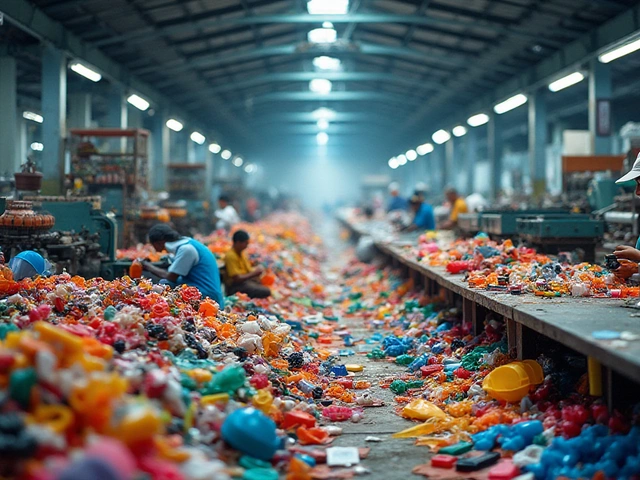
Walk into any supermarket aisle today and grab three random items. A bottle of shampoo, a package of cookies, and a water bottle. Chances are, all three rely on the same underlying force. We are surrounded by it. But when you look at where this stuff actually gets made, the map shifts dramatically compared to twenty years ago.
The answer to plastic industry dominance isn't just about who makes the most pellets. It involves who controls the supply chains, who sets the regulations, and who innovates the recycling tech that keeps us moving forward. In 2026, the landscape is shifting again due to environmental pressures, trade tariffs, and energy costs. Here is exactly where the power lies.
China: The Giant Still Holding the Weight
When people ask which nation dominates manufacturing, China usually tops the list, and plastics are no exception. For decades, Beijing has been the factory floor of the world. While they have started tightening restrictions on waste imports, their domestic production remains massive.
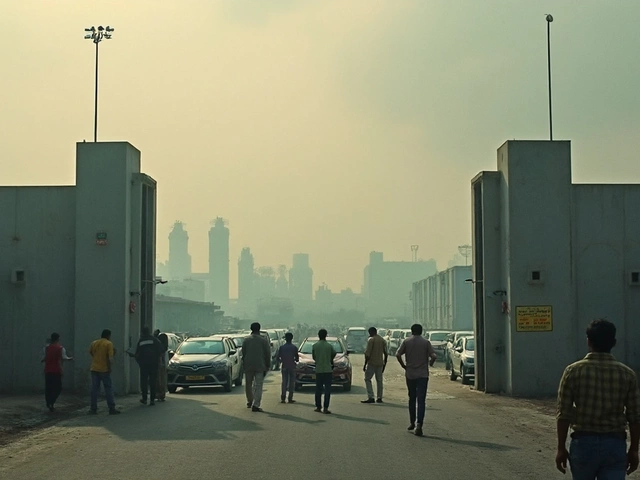
China is the world's largest producer of virgin plastics, accounting for roughly 30% of global manufacturing capacity. Also known as PRC Manufacturing Sector, it relies heavily on its massive petrochemical infrastructure located along the coast. Major companies like Sinopec operate here, converting crude oil into ethylene and propylene at scales that smaller nations simply cannot match. If you are sourcing injection-molded toys or packaging films, Chinese factories often offer the lowest unit cost because of economies of scale.However, the story is changing. With new carbon neutrality targets set for 2060, the region is pivoting. Older plants are getting retrofitted for better emissions control. This means the cheap labor advantage is slowly being replaced by a high-tech efficiency advantage. You aren't seeing the same pollution levels of the early 2000s, but the volume is still unbeatable. Domestic consumption in urban centers like Shanghai and Shenzhen drives huge internal demand too.
United States: Innovation Meets Abundance
While China wins on volume, the United States takes the lead on resource availability. The fracking revolution of the last fifteen years turned North America into a gas superpower. Natural gas liquids (NGLs) like propane provide a cheaper feedstock for making ethane-based plastics compared to naphtha used elsewhere.
| Country | Primary Focus | Key Advantage | Challenge |
|---|---|---|---|
| China | Mass Manufacturing | Infrastructure Scale | Regulatory Pressure |
| United States | Petrochemical Feedstock | Natural Gas Cost | Labor Costs |
| Germany | Engineering Plastics | High-Tech Polymers | Energe Costs |
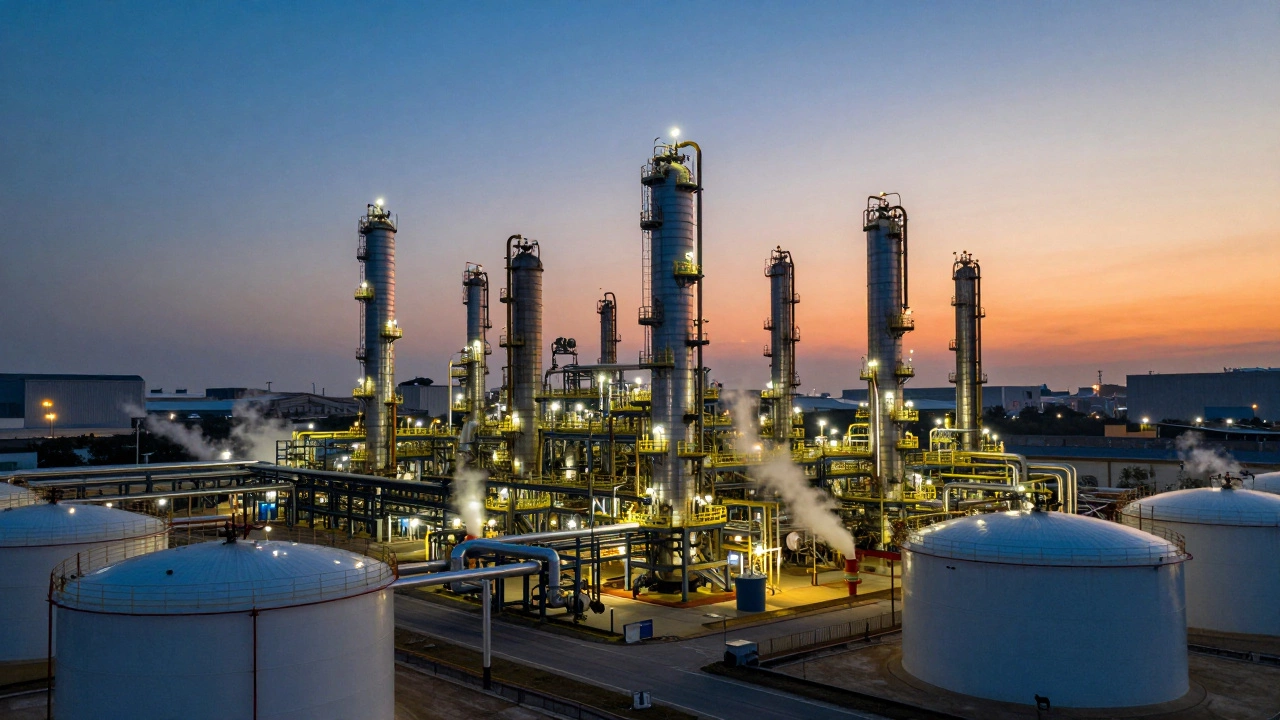
This energy advantage allows American plants on the Gulf Coast, particularly in Texas and Louisiana, to churn out ethylene and propylene profitably. Companies like Dow and ExxonMobil maintain massive presence there. If your business needs polypropylene or polyethylene, American imports often come at very competitive prices globally. Plus, innovation happens here. High-performance engineering resins used in aerospace or medical devices are frequently developed in U.S. labs before they go to mass production elsewhere.
The flip side is the pushback. Environmental groups are pressuring state governments to ban single-use plastics, and some states have stricter disposal laws. This creates a fragmented market where rules differ significantly depending on whether you are shipping to New York or Florida. Despite the friction, the raw material advantage keeps the U.S. in the top tier for total tonnage.
Europe: Leading the Green Shift
If you want to know who is solving the problem rather than creating it, look west to Europe. The European Union does not compete on price or raw volume anymore. Instead, they compete on quality, regulation, and sustainability. The EU Plastic Strategy aims for nearly all packaging to be recyclable by 2026.
German engineering plastics stand out specifically. German manufacturers focus heavily on high-grade thermoplastics used in cars and machinery. Think of the dashboard in your vehicle or the gears in industrial robots; those parts often come from German producers like BASF. The cost per kilogram is higher, but the performance specs are tighter. Reliability matters more there than saving pennies per unit.
The regulatory environment here forces change. Extended Producer Responsibility (EPR) laws mean companies must pay for the end-of-life management of their packaging. This pushes brands to design lighter packages or switch to recycled content. If you sell to Europe, you cannot ignore these rules. The market demands Post-Consumer Recycled (PCR) resin increasingly. Without access to PCR streams, manufacturers find themselves locked out of major retail contracts. This regulatory pressure is reshaping the industry faster than anywhere else on Earth.

Rise of Emerging Markets: India and Southeast Asia
As costs rise in established industrial hubs, production is migrating. India represents a significant emerging giant. With a growing population and aggressive industrialization policies under "Make in India," domestic plastic consumption is skyrocketing. The textile and packaging sectors absorb most of this growth. Unlike Western markets that might shrink or stagnate, Indian demand for packaging films and consumer goods containers continues to climb year over year.
Indian Plastics Market is one of the fastest growing regional markets expected to double in size by the next decade. Key characteristics include high demand for flexible packaging and construction-related piping materials.Southeast Asian nations like Vietnam and Thailand are capturing manufacturing niches left by China. Trade tensions often push companies to diversify their sourcing, setting up secondary factories in ASEAN countries to avoid tariffs. These locations benefit from younger workforces and lower operational costs compared to mature Western economies. You will see a lot of textile and fiber manufacturing moving here, as cotton production often competes with synthetic fibers produced locally.
Tech Trends Reshaping the Map
It isn't just geography anymore; it's technology. Bioplastics are gaining serious traction. Traditional oil-based polymers are meeting competition from plant-based alternatives like PLA (Polylactic Acid). Brazil leads here. With vast sugarcane reserves, Brazilian producers can ferment sugar into biopolymers efficiently. This gives them a strategic advantage in the bio-based segment. As big food brands promise carbon neutral packaging by 2030, demand for Brazilian bio-resin sources increases.
Chemical recycling is another frontier. Mechanical recycling has limits on contamination. Chemical recycling breaks plastic down to its molecular building blocks to make virgin-quality plastic. Japan is quietly becoming a leader in this specific niche. Their technology allows them to process mixed waste streams that other countries would simply incinerate or landfills. This turns the narrative from "waste management" back to "resource recovery."
Sourcing Considerations for Buyers
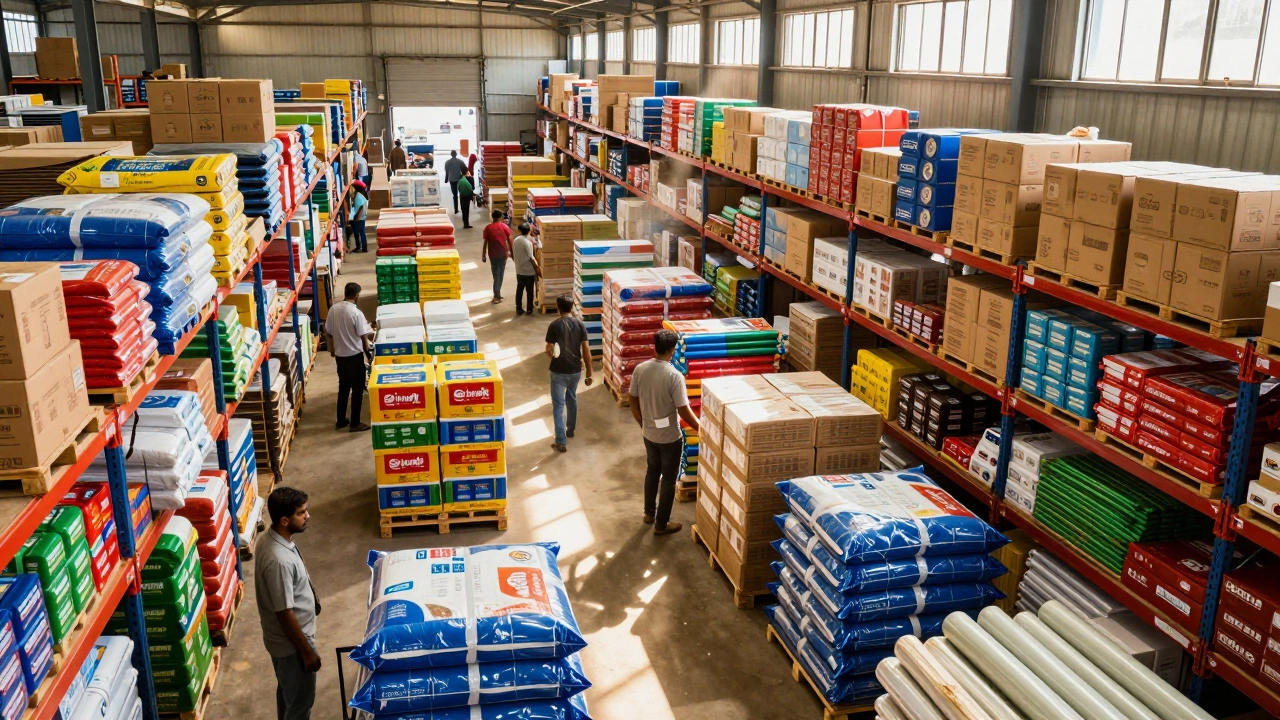
Deciding where to source depends entirely on your product requirements. Do you need commodity grades for standard buckets and bottles? Look toward China or the U.S. Gulf Coast for pricing and speed. Do you need specialty engineering resins with exact tolerances? Germany or South Korea offers higher certainty on specifications. Are you targeting eco-conscious consumers and need PCR content? The EU market provides the strictest verification and certification paths.
Shipping logistics also play a role. Proximity reduces carbon footprint and cost. Import duties in 2026 remain complex. Supply chains that span too many borders face higher risks of delays and tariff hikes. Regionalizing production-making goods in North America for North America-is a trend accelerating quickly among large retailers.
The Future Outlook
By late 2026, the definition of "famous" changes. It won't just be about who pours the most tons of polymer. It will be about who solves the disposal crisis. Countries that integrate recycling infrastructure into their municipal planning hold long-term value. Those that lag behind risk facing import bans or heavy levies on non-recyclable materials.
You will likely see consolidation. Smaller plants burning old fuel types get shut down. Larger, integrated complexes that capture emissions stay open. The winners will be the ones who can blend low-cost production with circular economy standards. If you are tracking this sector, watch the policy changes in Washington, Brussels, and Beijing first. Those decisions move the money far faster than any market fluctuation ever could.
Which country produces the most plastic?
China consistently ranks as the number one producer globally, holding approximately 30% of total global manufacturing capacity for virgin and semi-finished plastics.
Is the USA still a top player in plastic manufacturing?
Yes, the United States remains a top contender due to abundant natural gas resources, which provide cheap feedstock for producing ethylene and propylene, particularly in the Gulf Coast region.
Where is the center for sustainable plastics?
The European Union leads in sustainability initiatives, recycling mandates, and the development of bio-based alternatives through strict regulations like the EU Plastic Strategy.
Why is India considered a rising market for plastics?
India is experiencing rapid growth in demand due to population increase, industrialization, and the expanding need for packaging and construction materials within its domestic economy.
How does Brazil influence the plastic industry?
Brazil holds a strategic advantage in bioplastics, leveraging its extensive sugarcane reserves to produce PLA and other bio-based polymers for global markets.
Feb 15 2025