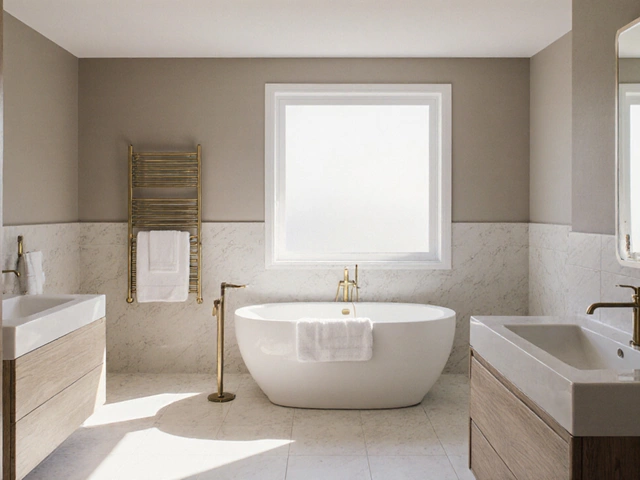
Carpet Color Pairing: Find the Best Matches for Your Room
When you choose a carpet color, the base tone that defines the floor’s feel in a room. Also known as flooring hue, it sets the mood for everything else in the space. A wrong carpet color can make a room feel cramped, dated, or just plain off—even if your sofa and curtains look great. The trick isn’t just picking something neutral. It’s understanding how carpet color interacts with walls, lighting, and even the furniture you already own.
Many people think beige is safe. But in Indian homes with limited natural light, beige can look muddy. Dark carpets hide dirt, but they also shrink a room visually. Light carpets open up space, but they show every speck of dust. The real answer? Wall color, the surface that frames the carpet and defines the room’s atmosphere. Also known as paint tone, it’s the carpet’s most important partner. If your walls are warm white or soft greige, go for a carpet with a hint of gray or taupe. If your walls are blue or green, avoid cool-toned carpets—they’ll clash. Instead, pick a carpet with warm undertones to balance it out. And don’t forget lighting, how natural and artificial light changes how colors appear at different times of day. Also known as ambient illumination, it’s the silent player in every color decision. A carpet that looks perfect in the store might look washed out under your home’s LED bulbs. Always test samples on your floor, at different times of day.
What works in a luxury apartment in Mumbai won’t always work in a small apartment in Lucknow. Indian homes often mix modern furniture with traditional textiles. That’s why carpet color pairing isn’t about following trends—it’s about harmony. A deep red carpet might look bold with a white wall, but if you’ve got a Bandhani curtain or a Kutch embroidery cushion nearby, it suddenly feels intentional. The goal isn’t to match everything. It’s to let colors breathe together. You don’t need a matching rug. You need a carpet that supports the rest of the room, not fights it.
Below, you’ll find real examples from people who’ve nailed this. Some paired their carpet with ceiling-mounted curtains to make rooms feel taller. Others used rug layering tricks to add depth without changing the floor. A few even swapped out their entire carpet after learning how lighting changed the color. These aren’t theories. These are fixes that worked in actual homes—with real kids, pets, and monsoon humidity. Find your match. Then live with it.
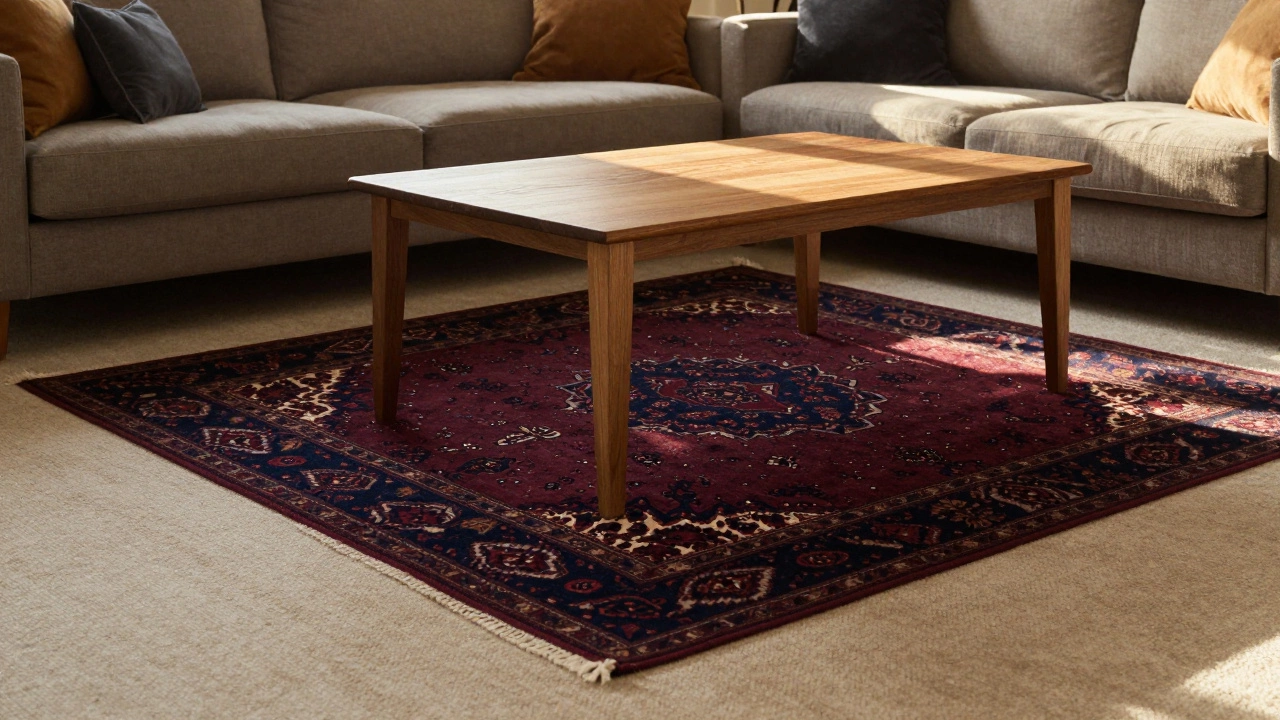
Should Rug Be Darker Than Carpet? Practical Tips for Layering Floor Textures
Should your rug be darker than your carpet? Learn how to layer rugs over carpet for better balance, depth, and comfort in your home. No rules-just practical tips that work.
View More