Carpet Rug Layering: How to Stack Rugs for Style and Comfort
When you stack one carpet rug layering, the practice of placing one rug on top of another to add texture, color, and function to a floor. Also known as rug stacking, it’s not just decor—it’s a smart way to define spaces, absorb sound, and make cold floors feel inviting. This isn’t about throwing down random rugs. It’s about combining different textures, sizes, and patterns in a way that feels intentional, not messy.
Many people think rug layering only works in fancy living rooms or luxury hotels. But it’s just as powerful in small Indian homes where space is tight and every inch counts. A area rug, a movable floor covering typically smaller than wall-to-wall carpeting, used to define seating or walking areas under a sofa can anchor a room, while a smaller rugs, textile floor coverings that come in various shapes, materials, and designs, often used for decoration or comfort on top adds visual interest and keeps feet warm in winter. The key? Contrast. A flat-weave jute rug under a plush wool one creates depth. A neutral base with a bold pattern on top draws the eye. You don’t need expensive rugs—just ones that fit your space and your life.
What you see in magazines isn’t always practical. Thick rugs layered over thick rugs can make doors stick or create tripping hazards. Too many patterns? It looks like a fabric store exploded. The best layering keeps one rug as the foundation—usually a natural fiber like cotton, jute, or sisal—and lets the top rug do the talking. Think of it like clothes: a simple tee under a bold jacket. And don’t forget the edges. Use non-slip pads. They’re cheap, invisible, and stop rugs from sliding around when you walk or sit.
This trend isn’t new, but it’s getting smarter. In places like Gujarat and Rajasthan, where handwoven textiles are part of daily life, layering rugs has been done for generations—just not always called that. A durrie under a softer wool rug? That’s layering. A small kilim by the bed? That’s layering too. Today, it’s about blending tradition with modern design. You can mix a vintage Indian dhurrie with a Scandinavian flatweave and still make it look intentional. It’s not about matching. It’s about balance.
And it’s not just about looks. Layering rugs helps with insulation. In homes without central heating, a rug under a rug traps heat better than one alone. It reduces noise from footsteps, especially in apartments. It protects your floor from scratches and spills. And if you have pets or kids? A washable top rug makes cleanup way easier than replacing a big carpet.
There’s no rulebook. No perfect size. No magic formula. But there are clues in what works for real people. The posts below show real examples—from tiny balconies to big living rooms—where rug layering made a difference. You’ll see what combinations clicked, what didn’t, and why. No fluff. No guesswork. Just what you can try tomorrow.
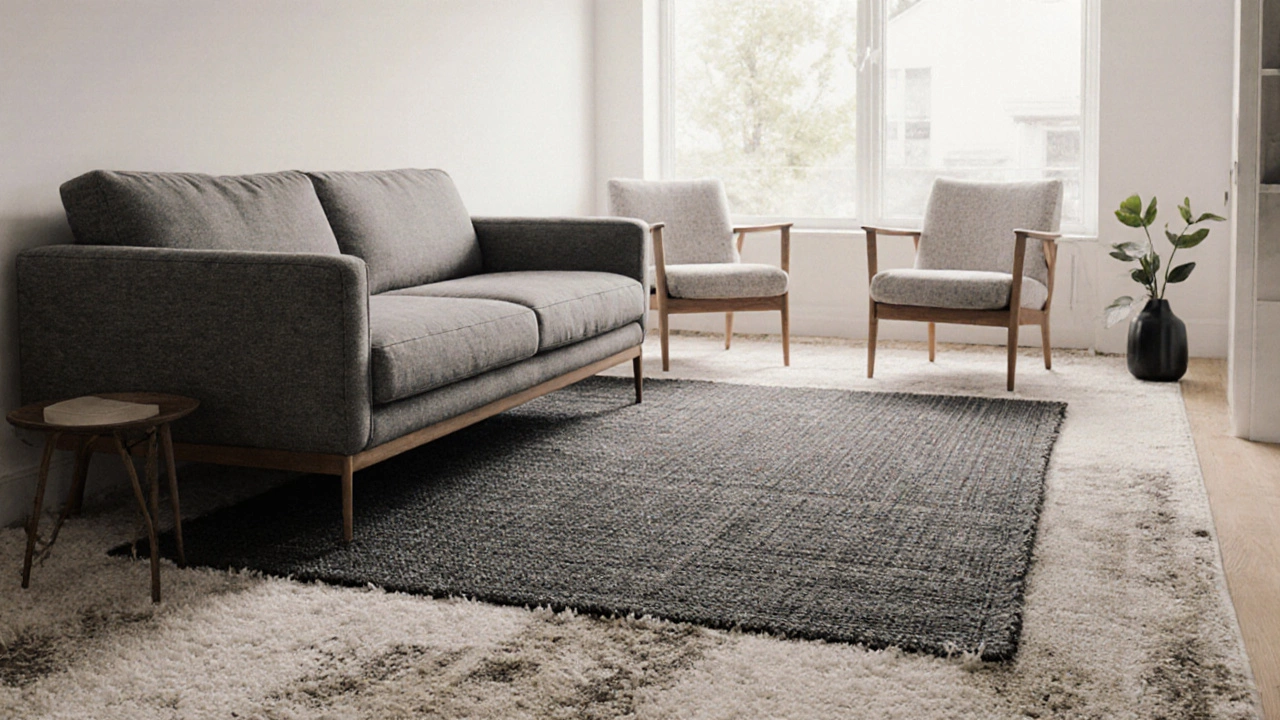
Is It Dumb to Put a Rug Over Carpet? Here’s What Actually Works
Putting a rug over carpet isn't dumb-it's a smart, affordable way to add comfort, style, and definition to any room. Learn what works, what doesn't, and how to do it right.
View More
Oct 30 2025