Gujarat Textiles: Key Fabrics, Factories, and Why They Matter in India's Textile Industry
When you think of Gujarat textiles, a major force in India’s textile manufacturing sector known for its cotton, silk, and synthetic fabric production. Also known as Gujarat fabric industry, it supplies over 40% of India’s domestic textile output and exports to more than 100 countries. This isn’t just about cloth—it’s about livelihoods, innovation, and global trade. From small weavers in Surat to massive mills in Ahmedabad, Gujarat textiles are woven into the fabric of India’s economy.
What sets Gujarat apart? It’s the mix of tradition and tech. You’ll find handloom silk from Patan, power-loomed polyester in Surat, and high-speed spinning units in Vadodara—all under one state. The region doesn’t just make fabric; it perfects it. Factories here use modern looms that run 24/7, yet still honor centuries-old dyeing techniques like bandhani and ajrakh. This blend lets Gujarat compete with China on price and with Italy on quality. And it’s not just cotton and silk—Gujarat leads in technical textiles too, like medical gauze, geotextiles, and flame-resistant fabrics used in construction and safety gear.
Related entities like Indian textiles, a broad category covering all handwoven and machine-made fabrics produced across India rely heavily on Gujarat’s output. The state’s textile clusters supply raw materials to fashion brands in Mumbai, home goods makers in Delhi, and even exporters in Chennai. Meanwhile, textile manufacturing, the process of turning fibers into fabric through spinning, weaving, and finishing in Gujarat is more efficient than most other regions in Asia, thanks to better infrastructure, skilled labor, and government incentives. Even global brands source from Gujarat because they know the consistency won’t drop.
But it’s not all smooth sailing. Rising energy costs, water shortages, and competition from Bangladesh and Vietnam are pushing Gujarat’s mills to innovate faster. That’s why you’ll see more solar-powered looms, recycled polyester lines, and zero-waste dyeing systems popping up. These aren’t just eco-trends—they’re survival strategies. And if you’re looking at textiles for your home, your business, or your next product line, understanding Gujarat’s role helps you make smarter choices.
Below, you’ll find real insights from posts that dig into India’s textile dominance, fabric trends, and how manufacturing hubs like Gujarat shape what we wear and use every day. Whether you’re curious about why certain fabrics last longer, how prices stay low, or where your towel actually came from—this collection has the answers.
What Is Gujarat Famous Cloth? Top Traditional Textiles from India's Weaving Heartland
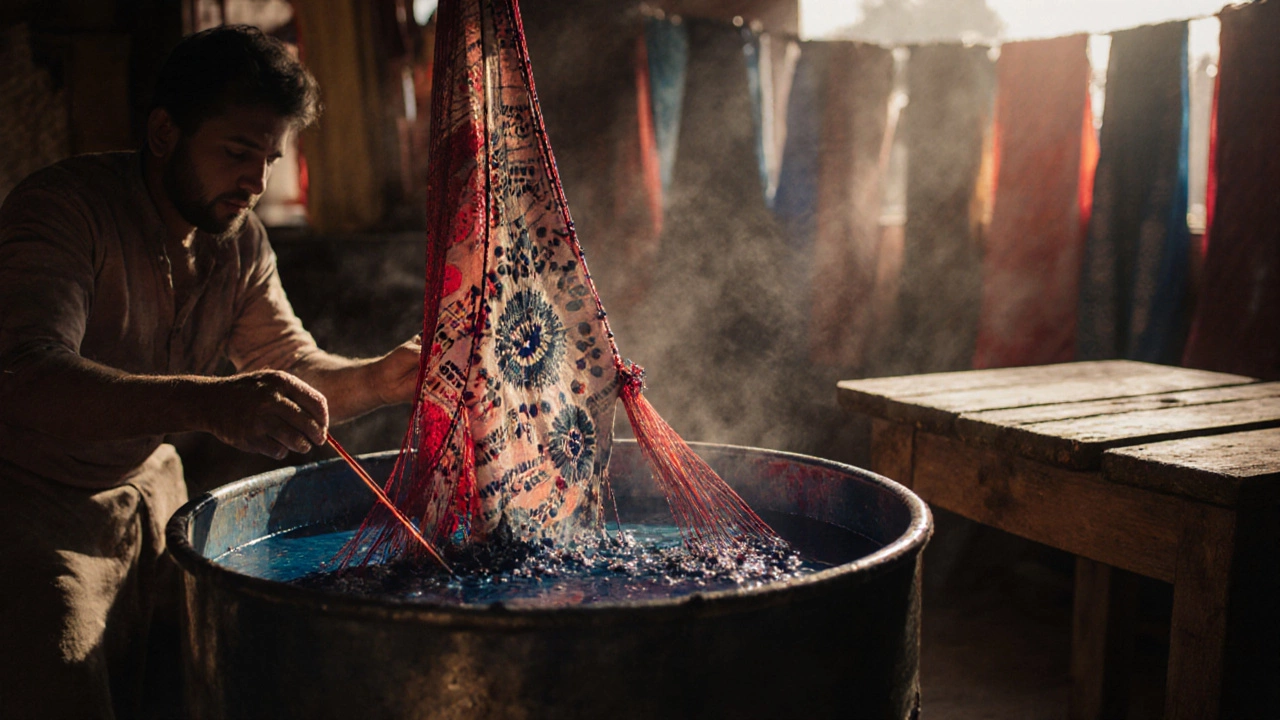
Gujarat is famous for its handwoven textiles like Bandhani, Patola silk, and Kutch embroidery. These fabrics are made using centuries-old techniques, with each piece reflecting deep cultural roots and artisan skill.
View More
Feb 15 2025