Imperial Units: What They Are and Why They Still Matter in Manufacturing
When you hear imperial units, a system of measurement based on inches, feet, pounds, and gallons, originally developed in the British Empire. Also known as U.S. customary units, it is still used in factories, workshops, and supply chains across India—even as the rest of the world moves to metric. You might think it’s outdated. But in manufacturing, old habits stick because they work. Many machines, tools, and blueprints brought into India over decades still use inches, pounds, and fluid ounces. Replacing them isn’t just expensive—it’s risky.
Indian manufacturers don’t use imperial units because they’re stuck in the past. They use them because their suppliers, customers, or equipment specs demand it. A machine imported from the U.S. might list motor shaft diameters in inches, not millimeters. A textile mill might order yarn thickness in denier, a unit tied to imperial weight systems. Even when making products for export, some buyers—especially in the U.S., Canada, and parts of Africa—still expect packaging, tolerances, and dimensions in imperial. Switching everything over means retooling, retraining, and re-certifying. That’s not a small cost.
The metric system, the decimal-based measurement system adopted by nearly every country worldwide is the global standard. But in practice, many Indian factories operate in both worlds. Workers read rulers marked in both centimeters and inches. Engineers toggle between kilos and pounds in spreadsheets. It’s not confusion—it’s adaptation. This dual-system reality shows up in posts about manufacturing startups, chemical production, and even textile manufacturing in Gujarat, where imported machinery often carries dual labeling.
And here’s the thing: you don’t have to choose one system over the other. You just need to know how they connect. One inch equals 25.4 millimeters. One pound is 0.453 kilograms. These conversions aren’t just math—they’re the glue holding together India’s manufacturing supply chains. If you’re starting a small factory, ordering parts, or negotiating with overseas vendors, mixing up these numbers can cost you time, money, and credibility.
That’s why the posts below matter. They don’t just talk about imperial units in isolation. They show how measurement systems touch real decisions: which tools to buy, how to interpret specs, when to push for metric, and when to stick with what’s already working. From the cost of starting a furniture business to how chemical plants in Gujarat handle bulk inputs, the right units make the difference between a smooth operation and a costly mistake.
What you’ll find here isn’t a history lesson. It’s a practical guide to navigating measurement systems in real-world Indian manufacturing. Whether you’re setting up a workshop, ordering raw materials, or just trying to understand a spec sheet, knowing how imperial units still shape your work isn’t optional—it’s essential.
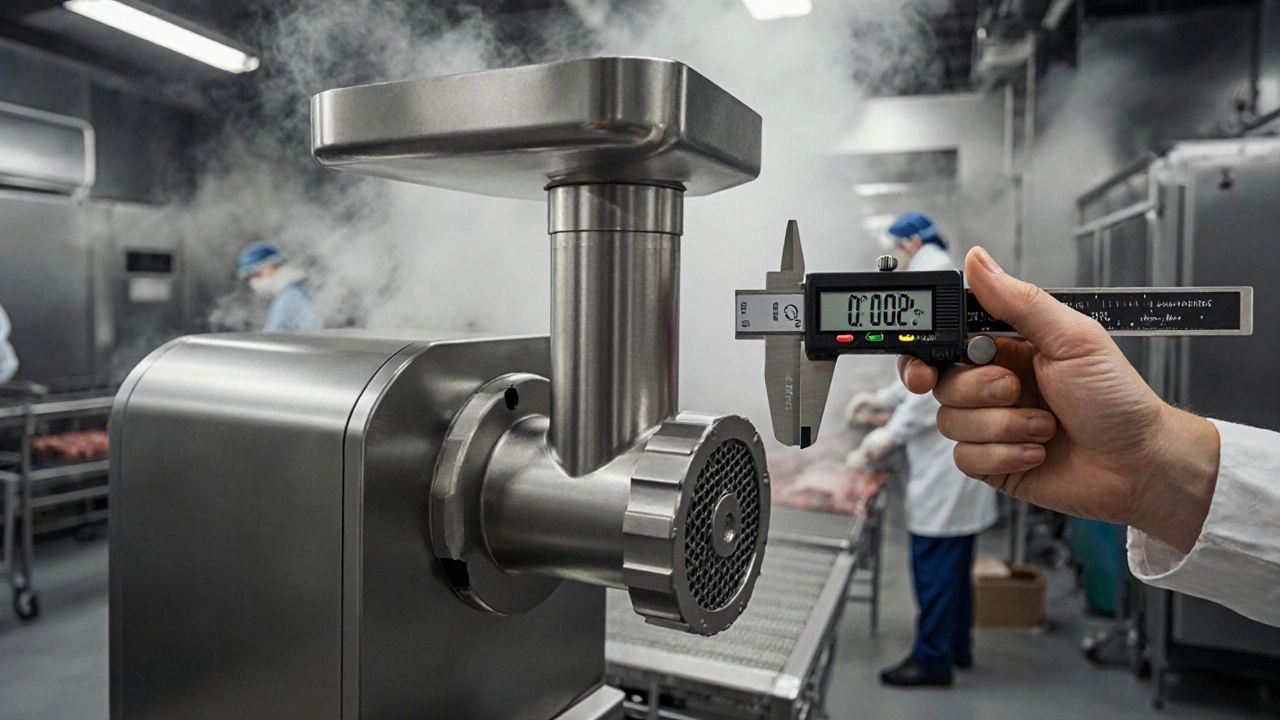
What Is 0.1 Inch Called in Food Processing Units?
0.1 inch is called one-tenth of an inch in food processing. This tiny measurement is critical for machine gaps, blade clearances, and food safety. Learn how it's used, why it matters, and how to measure it accurately.
View More



Dec 19 2025