Machine Tolerance: What It Means and Why It Matters in Manufacturing
When you hear machine tolerance, the acceptable limit of variation in a manufactured part’s dimensions. Also known as engineering tolerance, it’s the difference between what a machine is told to make and what it actually produces. It’s not a flaw—it’s a necessity. No machine can hit the exact same number every time. But if that variation goes too far, your product breaks, leaks, or doesn’t fit. In industries like tissue manufacturing, where precision matters for softness, layer alignment, and packaging speed, even a tenth of a millimeter can mean the difference between a product that works and one that gets tossed.
Think of it like baking a cake. If your oven says 350°F but runs at 365°F, your cake burns. Same with machines. A CNC machining, a computer-controlled cutting process used to shape materials with high precision. Also known as computer numerical control, it can cut wood, plastic, or metal to within 0.005mm. But if the tolerance is set too tight, the machine works harder, uses more power, and costs more. Too loose, and your tissue rolls might tear during packaging, or your dispenser won’t fit the shelf. That’s why top Indian manufacturers don’t just chase precision—they chase the right precision. They balance cost, speed, and function. You won’t need surgical accuracy for a tissue box. But you absolutely need it for the blades that cut the rolls.
Machine tolerance isn’t just about the machine. It’s about the material, the environment, and the people running it. Humidity in Gujarat can swell paper rolls. A worn bearing in a machine in Vadodara can drift over time. That’s why factories that get it right don’t just rely on specs—they monitor, adjust, and train. They know that tolerance isn’t a number on a chart. It’s a living standard. And when done well, it’s invisible. You never notice it—until something goes wrong.
What you’ll find in the posts below are real examples of how manufacturing in India handles precision, cost, and reliability. From the tools used in small workshops to the systems keeping big factories running, these stories show how machine tolerance isn’t just engineering—it’s everyday survival in the business of making things.
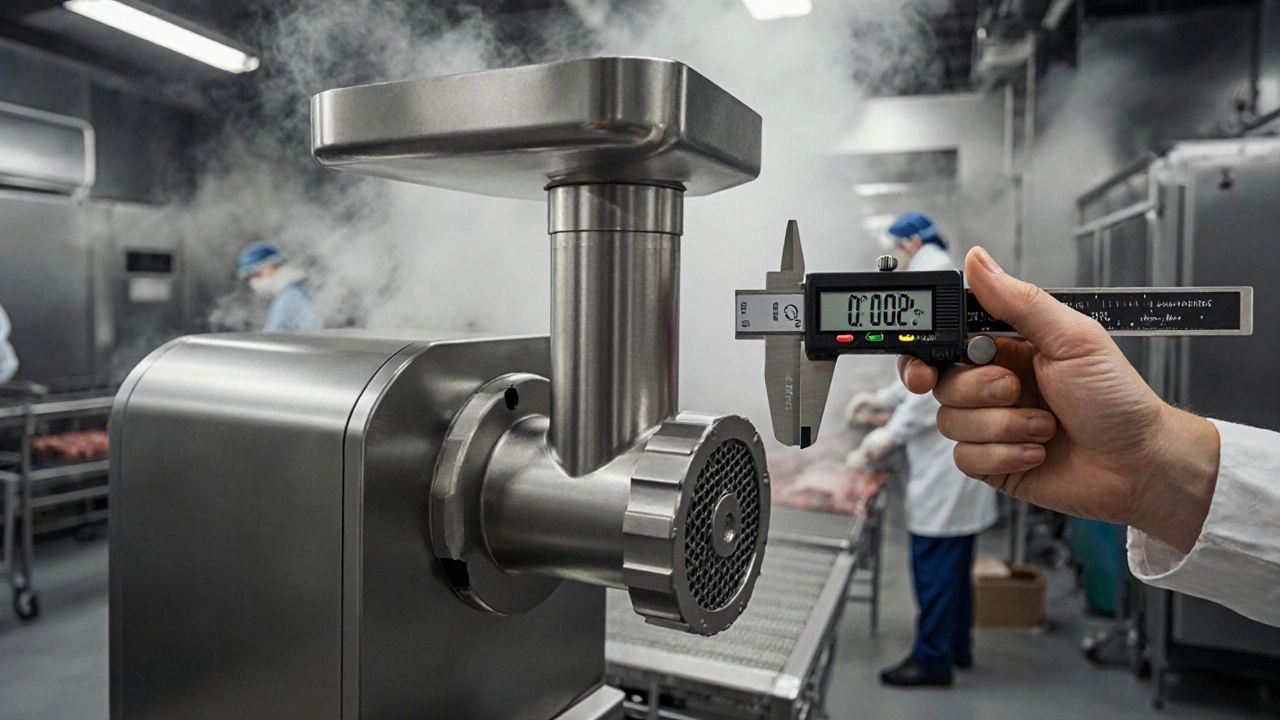
What Is 0.1 Inch Called in Food Processing Units?
0.1 inch is called one-tenth of an inch in food processing. This tiny measurement is critical for machine gaps, blade clearances, and food safety. Learn how it's used, why it matters, and how to measure it accurately.
View More



Apr 16 2025