Non-Slip Shelf Material: What Works and Why It Matters
When you reach for a jar on a shelf and it slides right into your hand, you’re not just annoyed—you’re dealing with a non-slip shelf material, a surface treatment or liner designed to prevent items from sliding on smooth shelves. Also known as shelf liners, it’s not just a convenience—it’s a safety and efficiency tool that keeps your kitchen, bathroom, or pantry organized without constant readjusting. Most people think it’s just rubber or plastic, but the best versions use textured, non-toxic polymers that grip without leaving residue. In Indian homes where shelves are often made of glossy laminate or metal, this small addition stops bottles, jars, and boxes from shifting during daily use or even minor vibrations.
What makes a good non-slip shelf material, a surface treatment or liner designed to prevent items from sliding on smooth shelves. Also known as shelf liners, it’s not just a convenience—it’s a safety and efficient tool that keeps your kitchen, bathroom, or pantry organized without constant readjusting. isn’t just stickiness. It needs to handle moisture, resist mold in humid climates, and be easy to clean. Many people buy cheap vinyl liners that peel or trap dirt, but the ones that last are made from food-grade silicone or recycled rubber compounds. These materials don’t break down with heat or humidity—important in places like Mumbai or Kolkata where monsoons make storage spaces damp. And unlike adhesive sheets that leave gunk behind, quality non-slip liners can be lifted, rinsed, and repositioned without damage.
It’s not just about kitchens. Think about your medicine cabinet, laundry room shelves, or even your bookshelf. A single slipping bottle of shampoo can ruin a whole shelf. A sliding stack of books can topple over. The right non-slip shelf material, a surface treatment or liner designed to prevent items from sliding on smooth shelves. Also known as shelf liners, it’s not just a convenience—it’s a safety and efficient tool that keeps your kitchen, bathroom, or pantry organized without constant readjusting. adds stability where you need it most. And because it’s invisible under your items, it doesn’t change the look of your space—it just makes it work better.
What you’ll find in the posts below are real-world solutions tested by people who’ve dealt with sliding jars, falling boxes, and messy shelves. You’ll learn which materials last longest in Indian homes, how to install them without bubbles or wrinkles, and why some products marketed as "non-slip" actually do more harm than good. No fluff. No marketing hype. Just what works—and what doesn’t—when you’re trying to keep your shelves in order without spending hours rearranging.
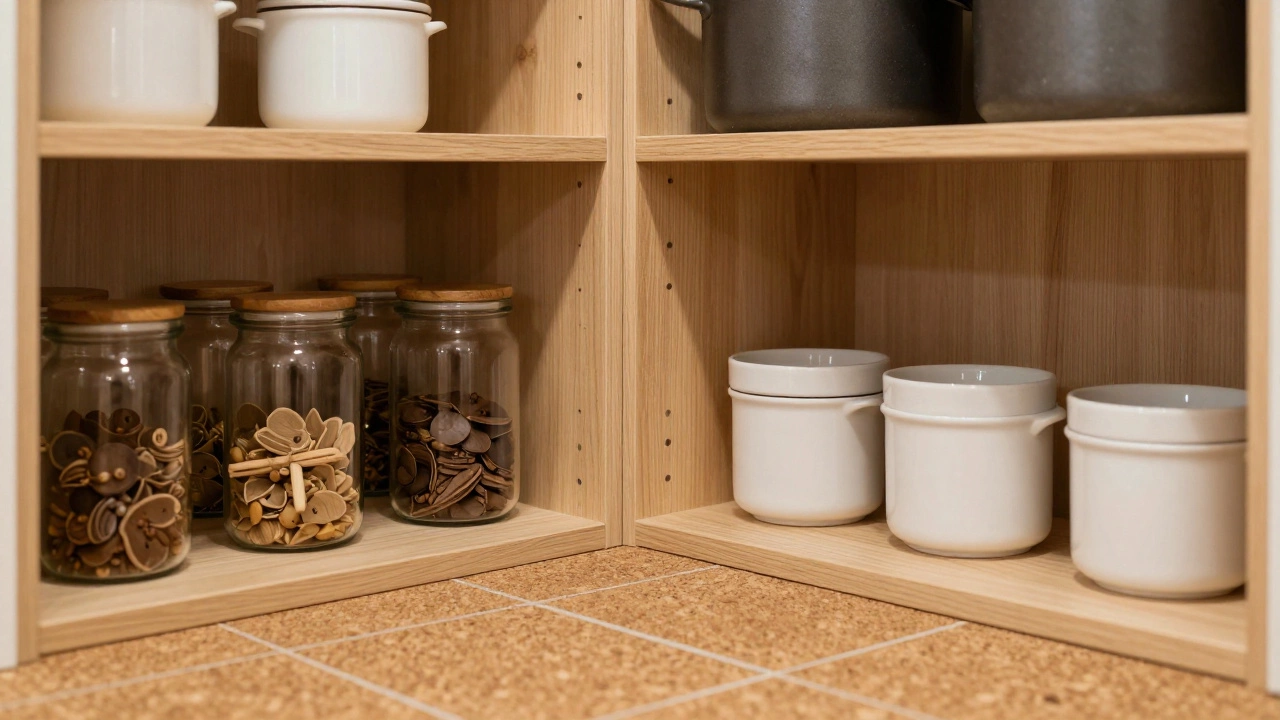
What Can I Use Instead of Shelf Liner? 10 Practical Alternatives
Discover 10 practical, affordable, and durable alternatives to shelf liner that actually work better-no sticky vinyl required. From cork to wood slats, find the right solution for your kitchen, pantry, or closet.
View More
Dec 9 2025